|
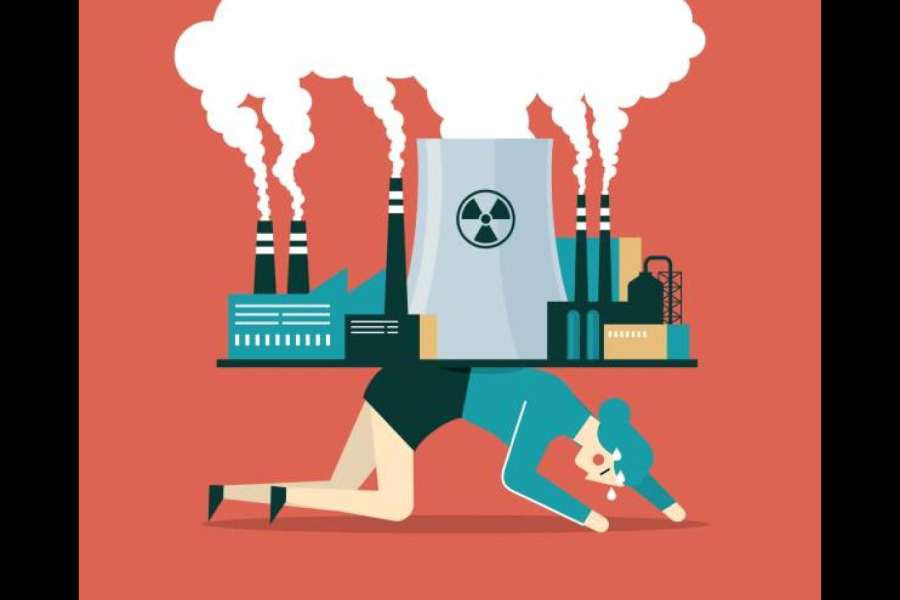
Shillong, Jan. 6: The Uranium Mining Corporation of India (UCIL) today launched a fresh drive to begin mining in the state using science as a tool to educate people, as the department of atomic energy pleaded with the NGOs to reconsider their opposition to exploration.
Swapnesh Kumar Malhotra, head of the public awareness division of the department of atomic energy, today said some of the countrys nuclear reactors were running low on their installed capacity and hence it has become all the more urgent to start mining in Meghalaya.
He spoke to reporters on the sidelines of the National Science Congress here where the UCIL has put up a pavilion at the Pride of India exhibition. The Centres appeal came a few days after the Khasi Students Union (KSU) — one of the main pressure groups — once again expressed its opposition to uranium mining.
The students body also submitted a memorandum to Prime Minister Manmohan Singh during his visit to the state to inaugurate the science congress on January 3. The KSU urged the Prime Minister not to take recourse to inducement, coercion, intimidation and force to carry out mining in the state and asked the Centre to cancel the project. It cited a public hearing held on June 12, 2007, at the mining site, where 75 per cent of the public had opposed the move.
Malhotra, taking a cue from the Prime Minister, said the Centre would ensure all safety measures before going ahead.
The UCIL has even put up bilingual banners and posters — in English and Khasi — to educate the people about the harmless nature of uranium mining to counter the long-standing opposition of several NGOs in Mawthabah in West Khasi Hills.
The UCIL officials said radiation because of uranium mining was nothing compared to the emission of radiation from other sources.
The radiation released from the nuclear industry is only 0.15 per cent compared to radiation from nature like the cosmic rays, Malhotra said.
The UCIL also asked the NGOs and the people of the state who oppose uranium mining in West Khasi Hills to understand that radiation from uranium mining would not harm the ecology or human life.
There are 10,000 tonnes of uranium oxide in Mawthabah and if this is mined, the problem related to the shortage of uranium which the countrys nuclear reactors are facing, can be solved. At present, the nuclear reactors are facing a 30 per cent to 40 per cent shortage of indigenous uranium-oxide and if UCIL is given the green signal to mine uranium in West Khasi Hills, we can tide over the crisis, Malhotra said.
The official made it clear that the international nuclear deals, which India had entered into with various countries, including the US, do not indicate that India has to forego the indigenous nuclear sources in the country. The international nuclear deal is over and above the existing indigenous nuclear programmes and we will pursue tapping uranium-mining sites in many parts of the country, Malhotra said.
Stressing that Meghalayas uranium deposits are the largest and the richest in the whole country, the official said once mining is carried out, it would bring development to the impoverished West Khasi Hills district.
The general manager of UCIL, P. Roy, and the officer on special duty, F.D. Rynjah, who were present at Nehu today, admitted that they need various other clearances before finally launching the project.
We are ready any time and even the state government itself is not averse to uranium mining in West Khasi Hills, Malhotra said. However, in the context of pro and anti-uranium mining lobbies reiterating varied views, the UCIL wanted a consensus before starting mining. We want to carry out uranium mining in an amicable way and do not want any hurdles once mining begins, Malhotra said, a day before the congress comes to an end.
|