|
They are the stuff of fantasy. They have shaped every teenage girls idea of romance for generations. And they have managed to keep up with the times to be popular even today. t2 had a chat with Andrew Go, director, Harlequin (India), publishers of the Mills and Boon series, to explore the enduring appeal of Mills and Boon and whats in store for the future....
Mills and Boon used to be a romantic getaway for most readers. How have the stories changed over the years?
What has remained common even today is that Mills and Boon is still about romance. The focus is still on the relationship between the hero and the heroine, how they fall in love, their passion and insecurities. Love is international, which is what makes it so easy for us to translate our novels in various languages and what makes for its enduring appeal. Four Mills and Boon books are sold every second. But what has changed is the backdrop. We are trying to represent and deal with real issues. So we have people from divorced families, single parents, the changing reactions to an arranged marriage as the framework amidst which the principle characters meet and fall in love.
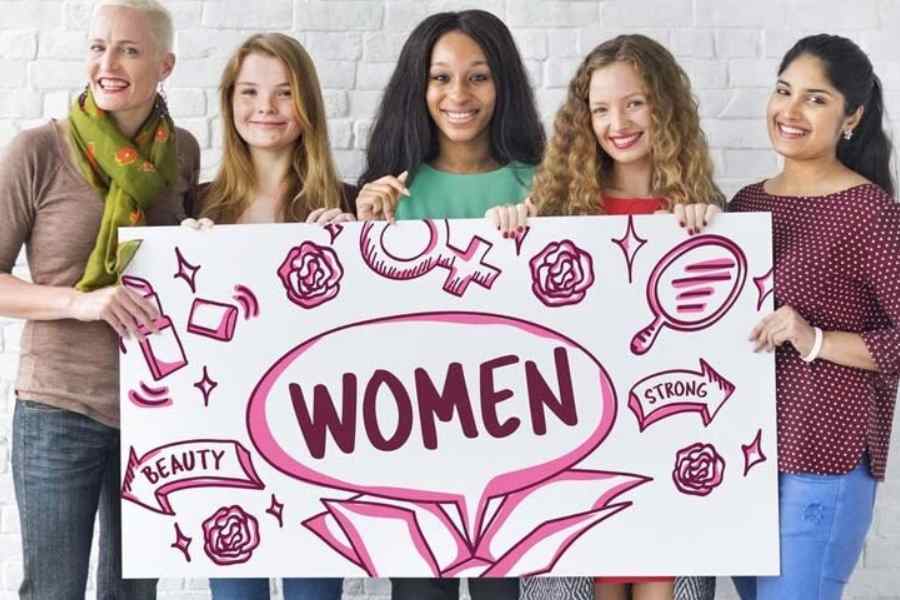
The Mills and Boon heroines were usually of two basic types — the docile, weak one, and the chirpy happy-go-lucky heroine waiting to be tamed by love. Have the women changed?
I wouldnt say they were the only two kinds (laughs). But theres definitely been change. Today the women are confident and independent. They are not against love or relationships, but they realise that they dont need a man to pay their bills. They all have careers.
And the men?
I would say our heroes are still the alpha-males when it comes to looks — tall, dark and ruggedly handsome — but we have passed that Prince Charming stage. Today they are emotionally more vulnerable.
So how does the modern hero and heroine interact?
Today the men need the women to make a successful relationship. Theres more inter-dependence.
Are the stories more real today than they once were?
At the end of the day, our readers know what is fiction and what is real. But theres this aspirational quality to the books. People still do want the glamorous settings. Its a fantasy they enjoy because they know it wont be real. But we are real about the relationships. We always show how it takes a lot of hard work to make a relationship work.
Have you changed your stories to adapt them to the preferences of the Indian reader?
We have seen that the preference is the same as that in the other markets. The only changes are in the distribution and marketing strategies.
So there is not much local colour...
We suddenly cant take a book and change its location. Also we dont dictate to our authors that we want such and such character name or location. It is common for authors to write about the place they inhabit. We are more than comfortable to have stories in India. But unfortunately we do not have Indian authors — or rather our Indian authors do not stay here. So we have started a short-story writing contest called Passions to reach out to wannabe authors here.
Has there ever been a problem with the content of your books? Some titles were considered a little too risque…
We have different series. The Romance novels are tender. But even in our Modern novels, we never show a one-night stand. There may be characters who indulge in physical display of love, but theres always a relationship forming and some readers enjoy that. However, if there is a problem with certain covers we dont mind toning them down.
How good is the Indian market?
We see good, long-term potential here. In the next five-10 years it may emerge to be one of our biggest markets. Retailers are asking for more so they must be selling more.
Who is the primary reader?
There are two main groups we are targeting. The first consists of the traditional readers, the teens and schoolgirls who have always enjoyed Mills and Boon. The second is the young working women who had read Mills and Boon as youngsters — the intelligent women with disposable income. Mills and Boons can still be a good stress-buster for them. You might not want to read War and Peace in bed.
And its still only women?
Yes. Over 90 per cent of our readership consists of women. Some men do read Mills and Boon, perhaps to understand women!
And who writes the books?
Our authors are mostly women, though we have some couples who write together. There are some male authors too.
Girls have always hidden their Mills and Boon from their parents. That has even been a part of the charm. Why do you think this is so?
I guess parents must have done the same! Maybe it is because in India, there is more stress on studies, and Mills and Boon may be considered a waste of time and money.
Your books are priced at Rs 99. How important is this figure?
Well, its an old marketing strategy — that one short of 100. The idea for us is to keep our books affordable.
Future plans?
We plan to increase the number of titles available in India and make the books available in subscription mode. We are looking for better penetration, and reaching out to neighbouring countries like Nepal and Bangladesh.
Poulomi Banerjee
Do you read Mills and Boon? Tell t2@abpmail.com
wRITE YOUR M&B
All young readers of Mills and Boon must at one time have wanted to write their own romance. But how easy is the process? “We get thousands of manuscripts every day. We have a writing mode and a submission mode. People from various backgrounds write in. We have doctors, ex-army people etc. We have never felt the need to go out and ask for writing. The short-story competition Passions is a first-of-its-kind for us,” says Go. So if you still dream of your own M&B title, Harlequin may be looking for you. Check out www.millsandboonindia.com for more.
|