|
The elections in Chhattisgarh are about a myriad voices: the shrill mikes, the booming, amplified echoes of contestants, the deafening sound of drums, pipes and tape recorders used in campaigns. But there are voices that have no place in a democracy which the State drowns with its might, or is unwilling to listen to.
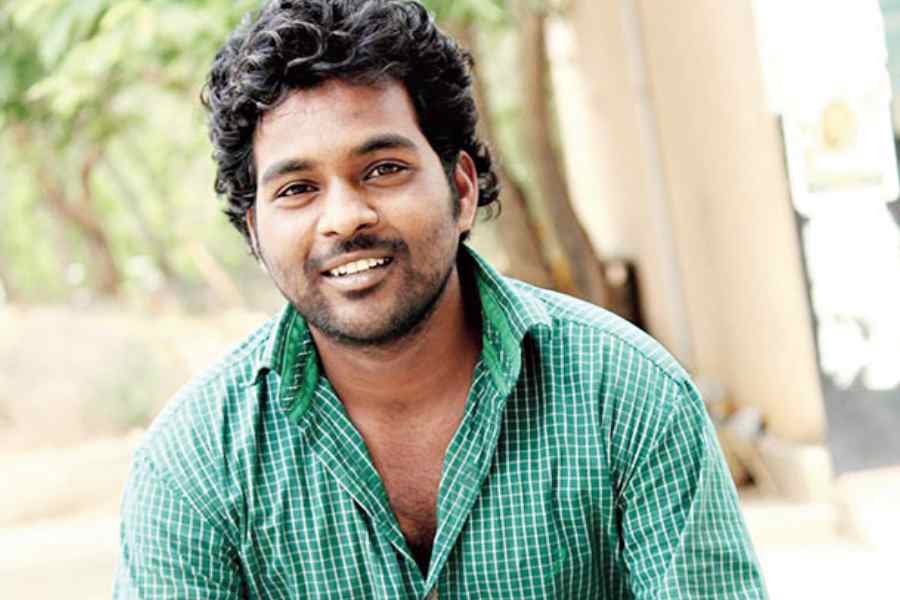
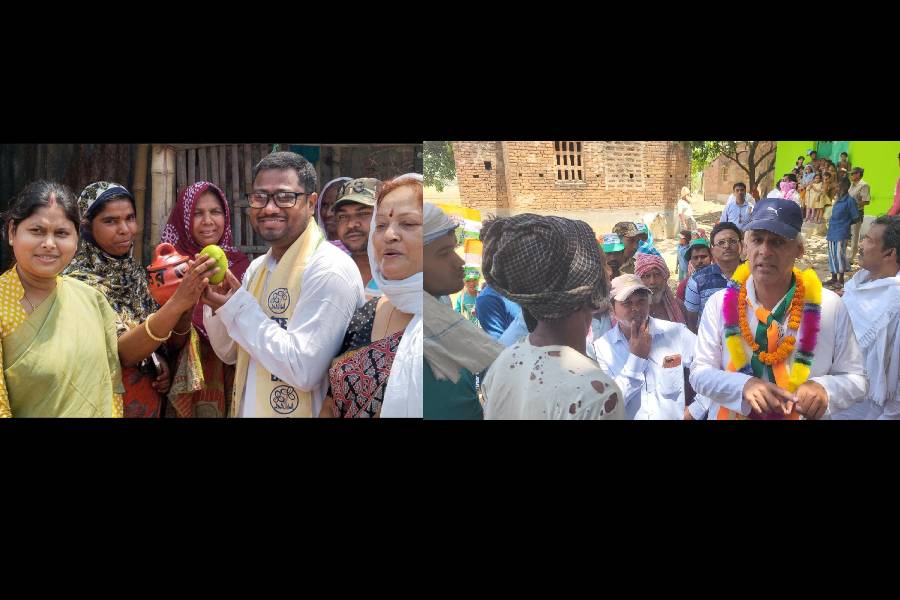
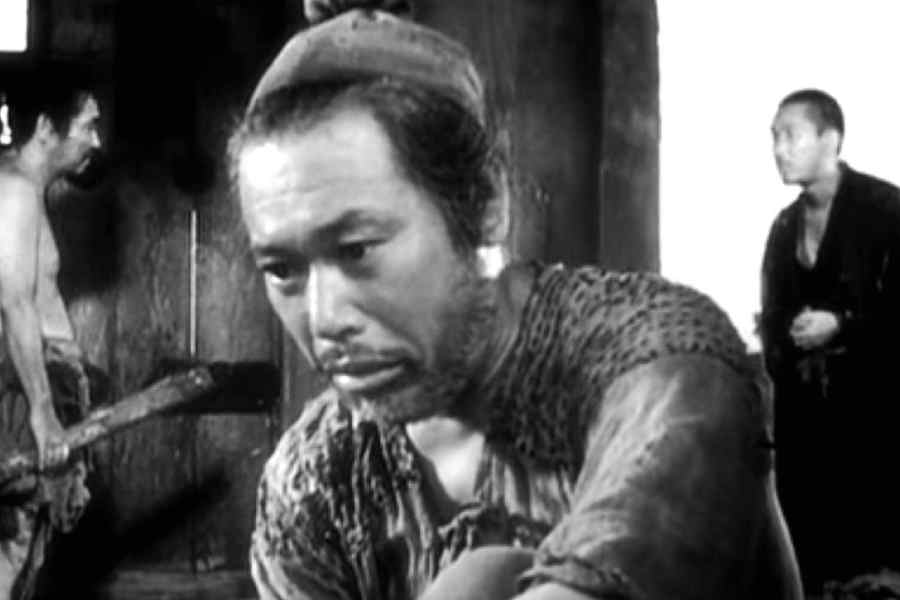
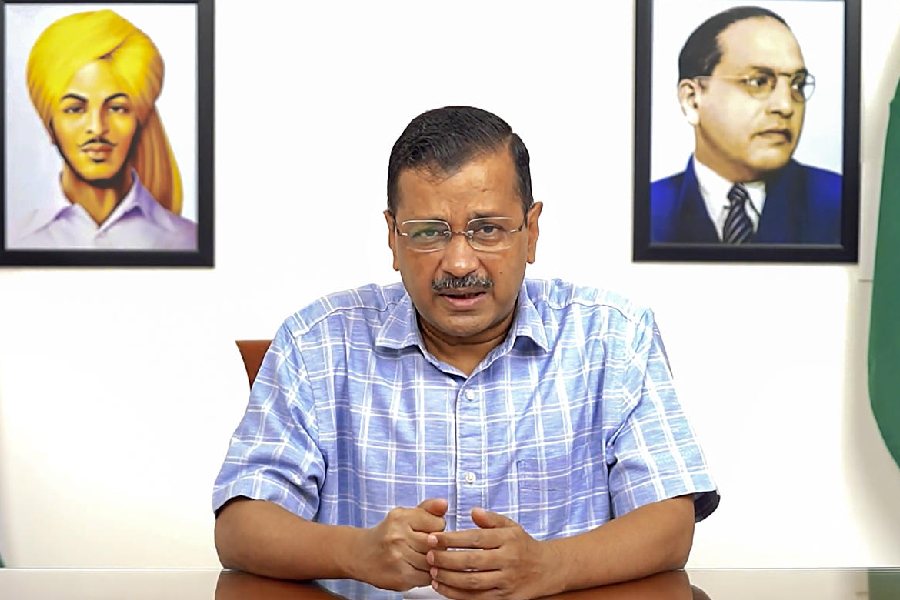
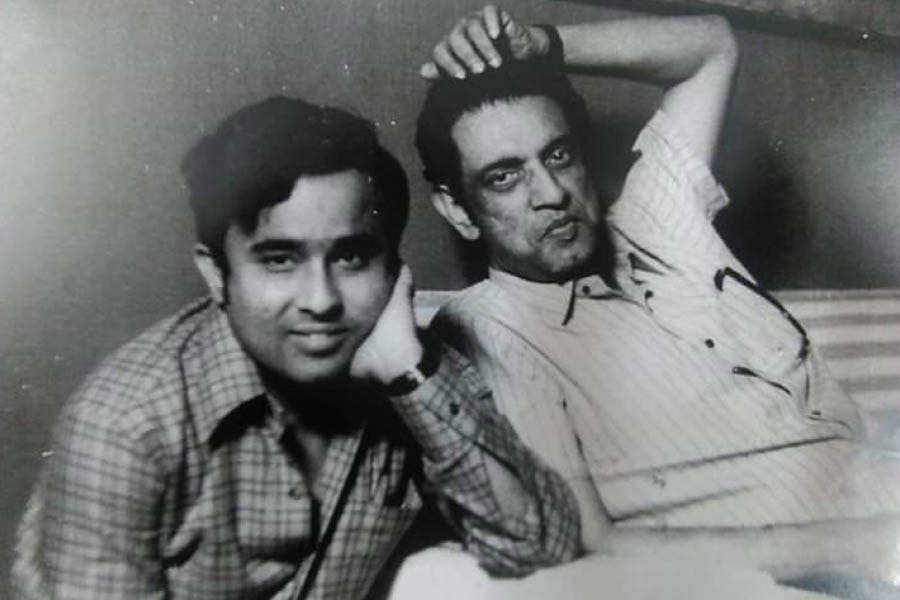
Two local journalists and I drove along the highway one morning towards Bhilai, 70 km from Raipur, speeding past green and brown fields, dhabas, village markets and management institutes. We were to meet Ajay T.G. (picture, left) — one of the men whom the Chhattisgarh government has been trying to silence — to understand how dissidents perceived democracy.
Ajay had been jailed under the Jan Suraksha Adiniyam or the Chhattisgarh Special Public Security Act 2005, in May this year, on charges of being involved with the urban Naxal network. In jail, he was also pressurized to sign statements against Binayak Sen, another prized catch for the CSPSA. But the prosecution, expectedly, had not been able to establish his crime in court. The police had produced a letter as evidence in which Ajay is supposed to have demanded that the Maoists return his camera or compensate him monetarily. The truth, said Ajay sitting in his modest house beside a quiet chapel, is that in 2004, he had travelled to Bastar to film a documentary along with Binayak Sen and two others. There, the Maoists confiscated his camera. Two years later, it was returned to him, along with a letter of apology. At the time of his arrest, Ajay had not denied that he had written the letter, and informed the police of the chain of events. The truth landed him in Kendriya Jail.
He is out of prison now, but isn’t a free man. The charges haven’t been withdrawn yet, and Ajay still has to seek the police’s permission to travel outside Chhattisgarh. His personal belongings have not been returned. The reason for this persecution, he said, is that the People’s Union for Civil Liberties, with whom both he and Binayak Sen are involved, had been critical of the excesses committed by the Salwa Judum, the ‘people’s movement’ that the Congress and the BJP both support, in its war against the Maoists.
So I am not surprised when Ajay describes Indian democracy as a two-edged sword. He told me that he had returned from Dantewada district last night, where he heard Mahendra Karma, the Congress leader contesting from that region, say that he would clear the jungles, bring industry, and crush all opponents. The police had also arrested every man in Karampal village recently. “In these parts, the State misused its immense powers to buy silence, destroy the environment and create a divided, unequal land,” he said quietly. Ajay did not sound like a rebel. He merely spoke like a concerned citizen, and looked very tired.
We took his leave and set out for Maana, on the outskirts of Raipur, to meet a people whose voices, although not gagged, had gone unheard. Inside the car, I saw my friend, the local journalist, fiddling with his phone. I asked him whom he was calling, but he smiled and said that he was removing Ajay’s name from his contact list. We laughed, but I thought I saw a shadow pass across his face.
Hours later, Maana unfolded, beautiful and unreal. We travelled through leafy, narrow lanes bordered by low-roofed huts. There was also a recreation club, a picture of Tagore painted on one of its walls. Some shop addresses had been scrawled in Bengali, and I saw dhakis inside a pandal. Maana was a transit camp for Bengali refugees from East Pakistan who had been rehabilitated as part of the Dandakaranya Project in 1964. Some men and women stayed behind in the camp, and were given citizenship and government jobs, but denied the right to own land. After they retired, they were asked to leave their quarters, and settle down in huts by the highway. These waiting men and women, inside their decrepit buildings, were thus refugees even in their new home.
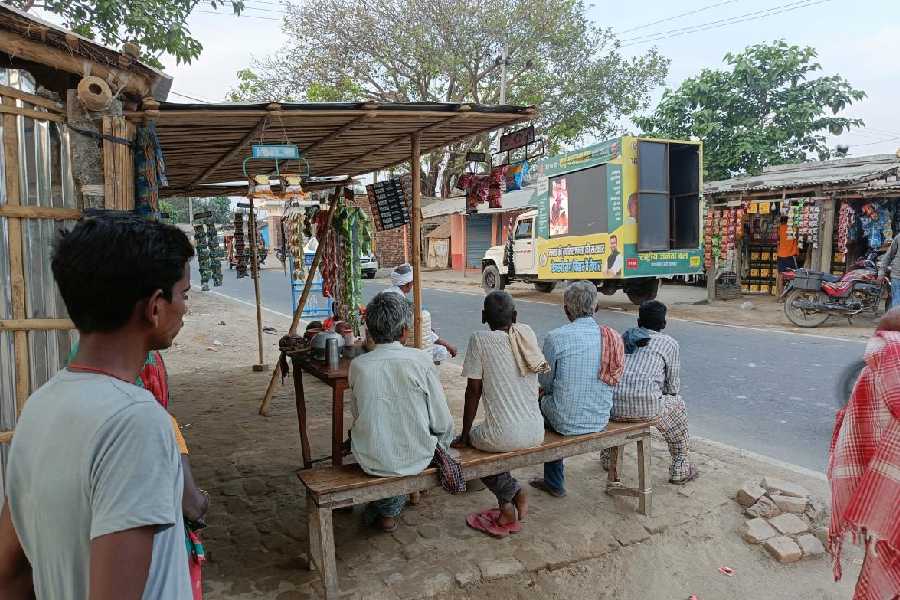
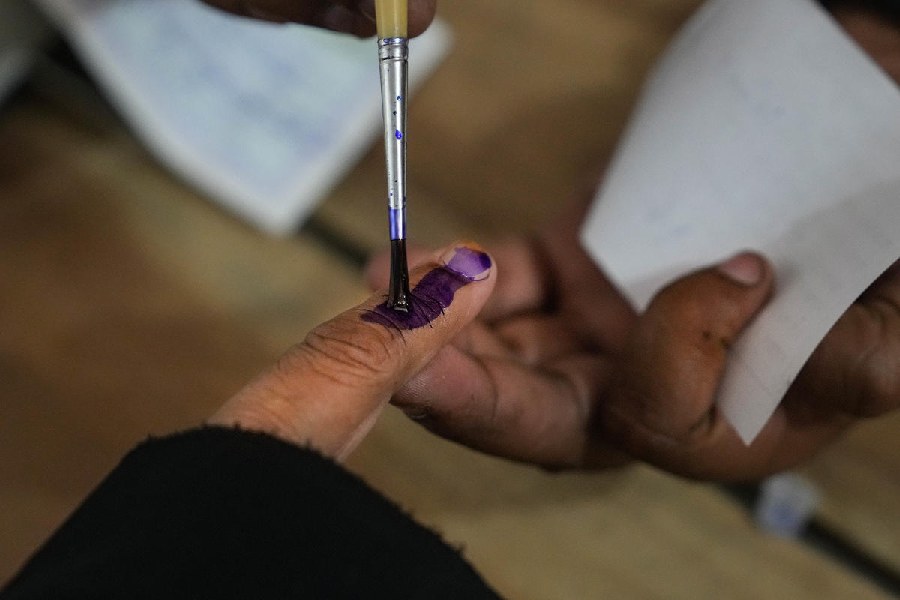
Shefali Mandal and I sat in her tea-shop and talked about the elections. Using her voter’s identity card to fight the flies, Shefali said that she will vote for the Congress in the hope that the party would give her ownership of the land she lives on. She is concerned about the future of her children under the BJP: “Raman Singh does not care for people like us. Otherwise, he would have reserved seats in education and in employment for our children.” Reservation is empowerment, she believes: “Look at what the Gujjars are doing in Rajasthan.” Mandal is a member of the Chhattisgarh Namasudra Kalyan Samiti, a nodal agency that is demanding caste reservations for the community’s children. She pointed to some broken furniture, an old TV and her utensils, and said that her riches would be of no use if she had no land to call her own. She still remembered where she came from, even after all these years, and said she was free there. Here, she is a citizen in chains.
Before leaving to fetch tea, Mandal said that in an ideal democracy, people should take responsibility of the land and its people. I waited for her to return, and, looking around, saw a huge cut-out of the local candidate. Satyanarayan Sharma had a beaming face, and towered over the settlement with his folded hands. I felt a strange sadness. This man made of paper was unlikely to answer Mandal’s prayers. Glasses tinkled behind me, tea had arrived.
|