|
|
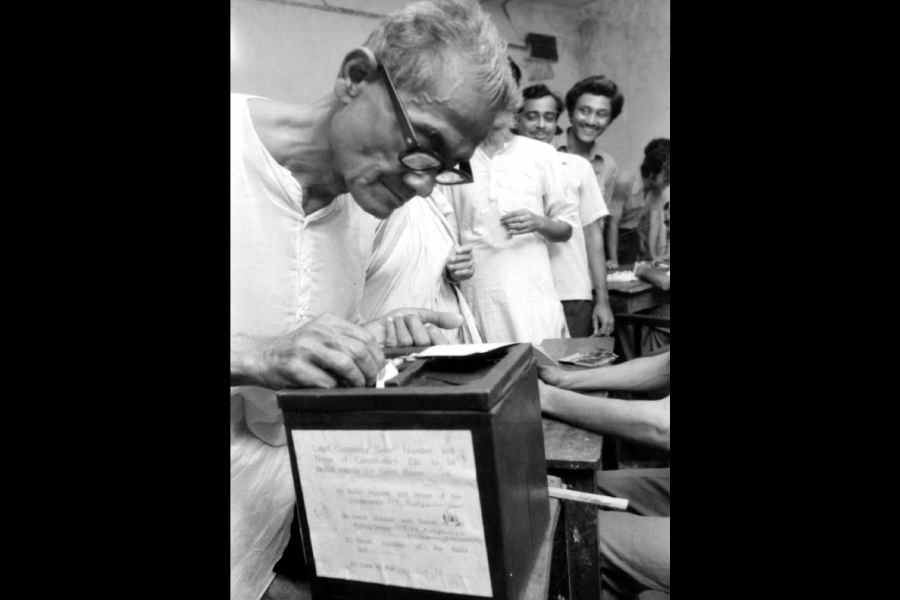
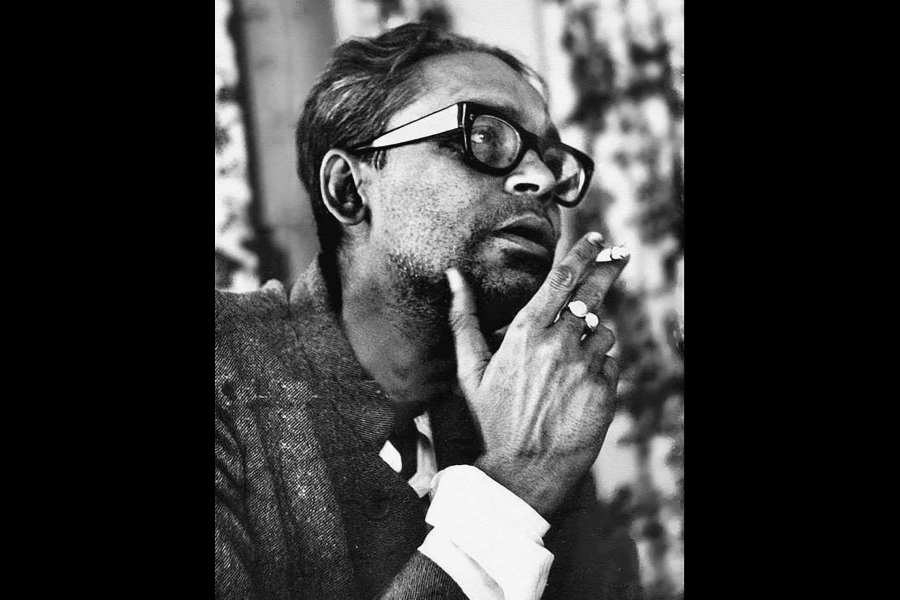
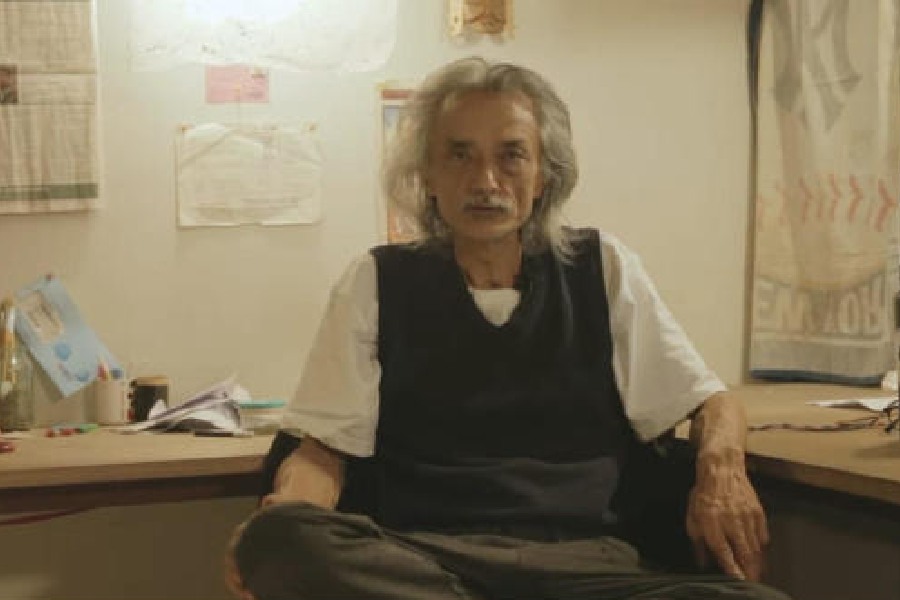
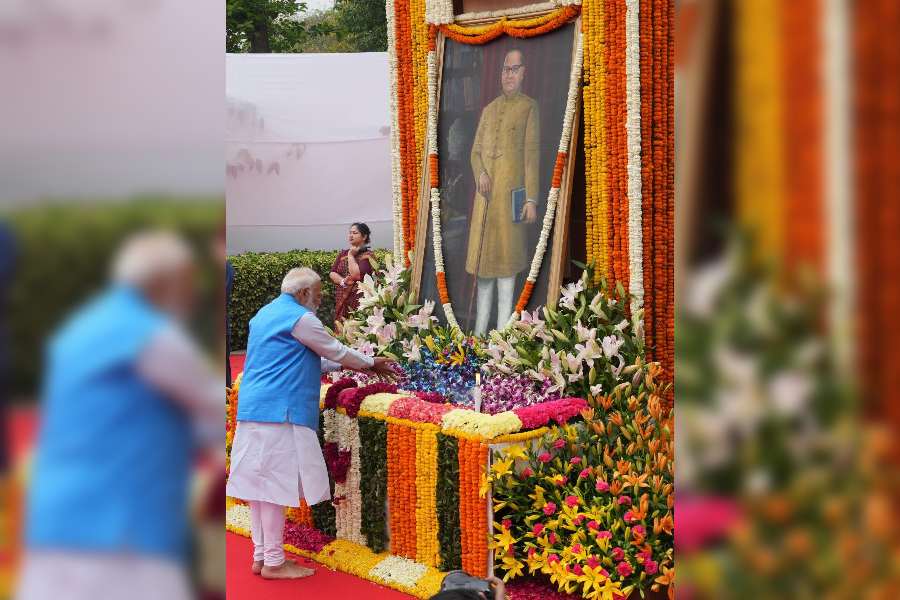
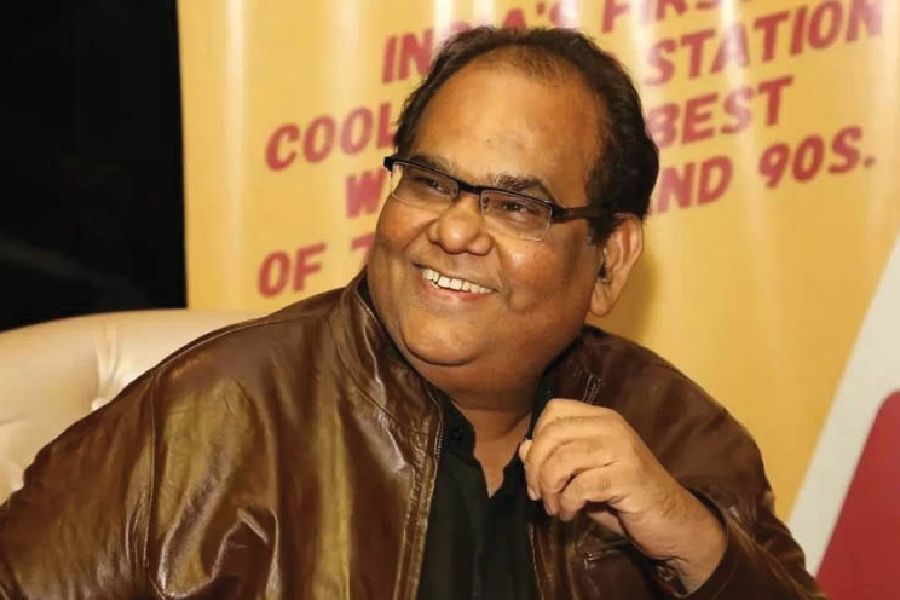
Nirad Chaudhuri and (Below) a portrait of Raja Rammohun Roy |
 |
London, Sept. 29: Nirad C. Chaudhuri is to be honoured with a blue plaque at 20, Lathbury Road, Oxford, where the author lived from 1982 until his death at the age of 101 in 1999, it was learnt today.
The blue plaque is given only to those who are outstanding, head and shoulders above others in their field, Eda Forbes, secretary to the Oxfordshire Blue Plaques Board, told The Telegraph.
The news comes a day after another great son of Bengal was honoured when a coach-load of admirers of Raja Rammohun Roy went from London to the Arnos Vale cemetery in Bristol to inspect the tomb of the social reformer after completion of extensive renovation.
Carla Contractor, a historian who has helped raise funds for the repair work and kept alive the memory of the man who died in Bristol in 1833, told the gathering yesterday: Bristol has never forgotten the Raja and never will.
The two men are linked in a way for Chaudhuri greatly admired Raja Rammohun Roy, according to the writer Amit Chaudhuri, who will unveil the plaque in Oxford on October 4.
Nirad Chaudhuri was a great admirer of the Bengali renaissance, said Amit. When asked why he had been selected to unveil the plaque, he joked: Maybe because my surname is also Chaudhuri.
As a graduate student at Balliol in 1987, a bunch of Indian newspaper clippings sent from India by a Parsi gentleman to Nirad C Chaudhuri, c/ The Dean, Oxford University, was misdirected and placed in Amits pigeonhole by his college porter.
Standing in a queue in a bank one day, Amit recognised the author standing behind him. He smiled sweetly. When I explained about the bunch of clippings, he said, Ashchorjo! (astonishing).
Fearful he would be grilled about English literature and much else — Bhoi lagchhilo (I was scared) — Amit never took up the great authors invitation to take tea at 20, Lathbury Road.
Eda Forbes, a long-time Oxford resident, also recalled seeing Chaudhuri going for walks in his Savile Row suit but at the time, I did not know who he was.
Now, he is to be honoured by the Oxfordshire Blue Plaques Board, where nominations for candidates are discussed by the universities, local district councils, the chamber of commerce and other representative organisations.
The author of The Autobiography of an Unknown Indian and A Passage to England arrived in Oxford with his wife, Amiya, in 1970 and shifted to 20, Lathbury Road in 1982.
The plaque will be put on the gate post so it is more visible, Forbes said.
It will say: Nirad C Chaudhuri. 1897-1999. Writer. Lived here 1982-1999.
Amit commented: He would have been delighted.
Chaudhuri would have been even more delighted had the plaque ventured something closer to the truth such as: Writer — and a very naughty man. Loved Bengal and making trouble.
A statement from the board, which has honoured 41 other people since it was set up in 1999, including the author C.S. Lewis, said: Nirad C. Chaudhuri, a distinguished Indian writer and remarkable personality, was an internationalist, in the sense of one who takes the best of all cultures but never loses his own, and published many works on Indian and European civilization.
He was an original thinker, forthright in his opinions, and a passionate admirer of western culture who decided to make his home in Oxford in 1970 when he was over seventy. He was a familiar and arresting sight out and about in Oxford, a diminutive figure, always impeccably dressed in a three-piece suit, although he wore Indian attire at home.
He wrote his last book The Three Horsemen of the Apocalypse only a year before his death at the age of nearly 102.
At Arnos Vale yesterday, Indian high commissioner Shiva Shankar Mukherjee inaugurated the repaired tomb, which was built by Dwarkanath Tagore in 1843, 10 years after Raja Rammohun Roys death on September 27, 1833.
We owe him a lot, Mukherjee pointed out. Indians have been lucky that during difficult times, we have been blessed with people like Rammohun Roy. India, with all its diversities, today works because of a succession of people like him.
Most of the money for the restoration work came from a Calcutta-born and bred businessman, Aditya Poddar, who now lives in Singapore. He gave a cheque for $100,000.
The Lord Mayor of Bristol, Chris David, said the city had always held the Raja in high regard and described the tomb as a symbol of British-Indian unity.
|