Tuesday, 28 May 2024
Tuesday, 28 May 2024
Tuesday, 28 May 2024
















Denim done right by Alia Bhatt — take notes!
Hrithik and Sussanne congratulate son Hrehaan on graduation
Ruskin Bond’s ‘Happy 90th’ comes with a special announcement
Enjoy a flavourful weekend with delicacies from Beyond Borders
Karnivool set to take India by storm with ‘Tri Continental Drift 2024’ Tour
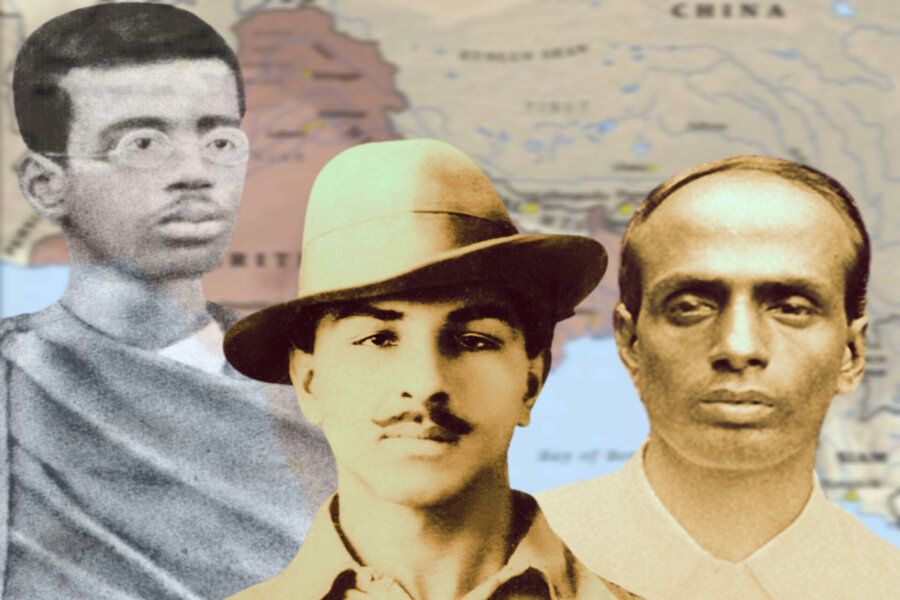
When Nehru became the vice-president of the Viceroy’s Executive Council, one of the first steps he took was to replace the commander-in-chief as defence member of the council with a civilian leader
SUSHANT SINGH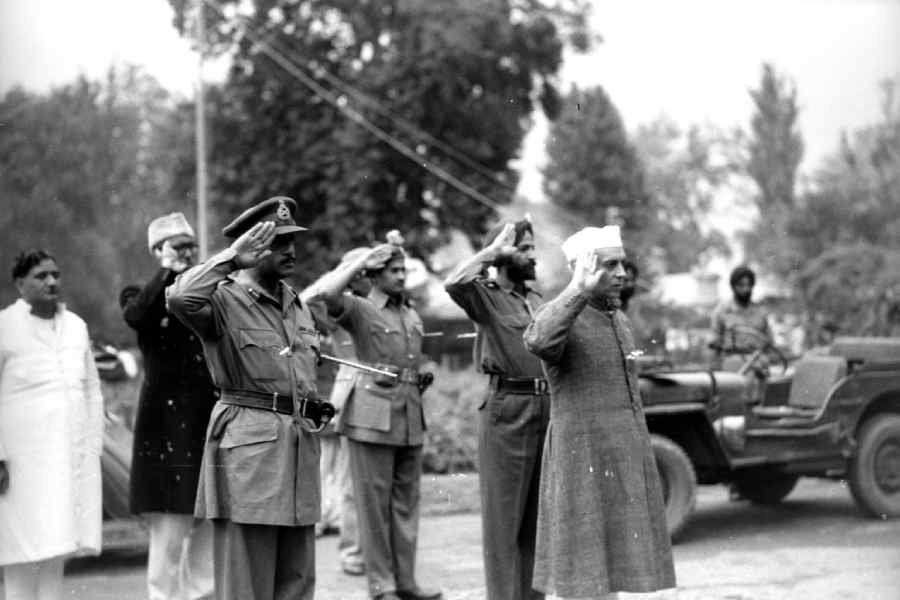

Although the postal system for commoners was initiated by the Company, the system was manned by Indians & the expenses to develop & maintain the system was borne by Indian taxpayers
GAUTAM BHATTACHARYA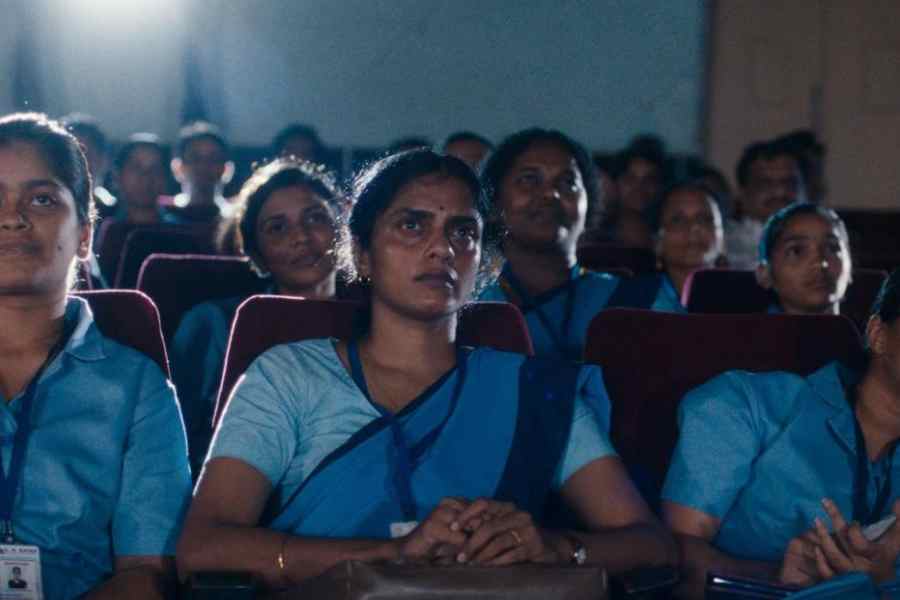
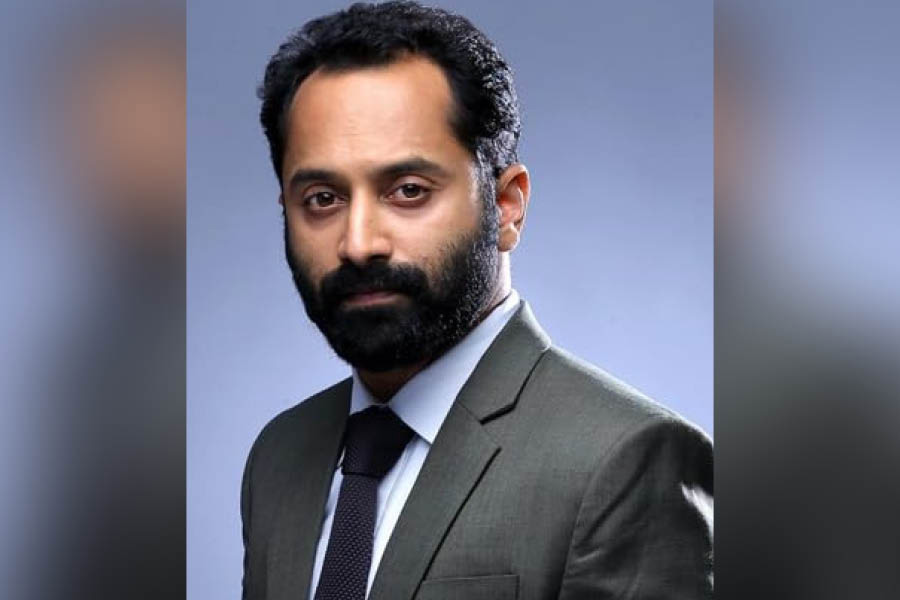
Within the first 4 months of 2024, six Malayalam films have already made a total gross revenue of nearly Rs 1,000 crore, much more than 2023’s cumulative collections from 220 films
M.G. RADHAKRISHNAN
Look at the Constituent Assembly debates will reveal the rejection of proposals to incorporate ‘secularism’ as part of the Preamble, something that took place only in 1976
PRASENJIT CHOWDHURY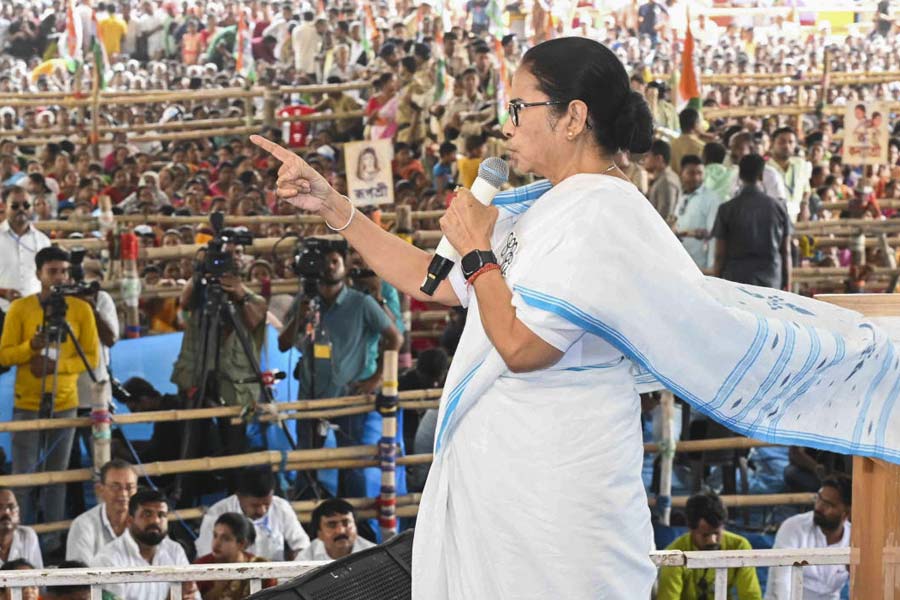
It so happened that the judgment came in the middle of LS polls, as did HC's earlier ruling to scrap the appointments of around 26,000 school employees, which was later stayed by SC
THE EDITORIAL BOARD
























The actress, who is married to Ali Fazal, also congratulated Payal Kapadia and Anasuya Sengupta for their achievements at the Cannes Film Festival