|
|
|
|
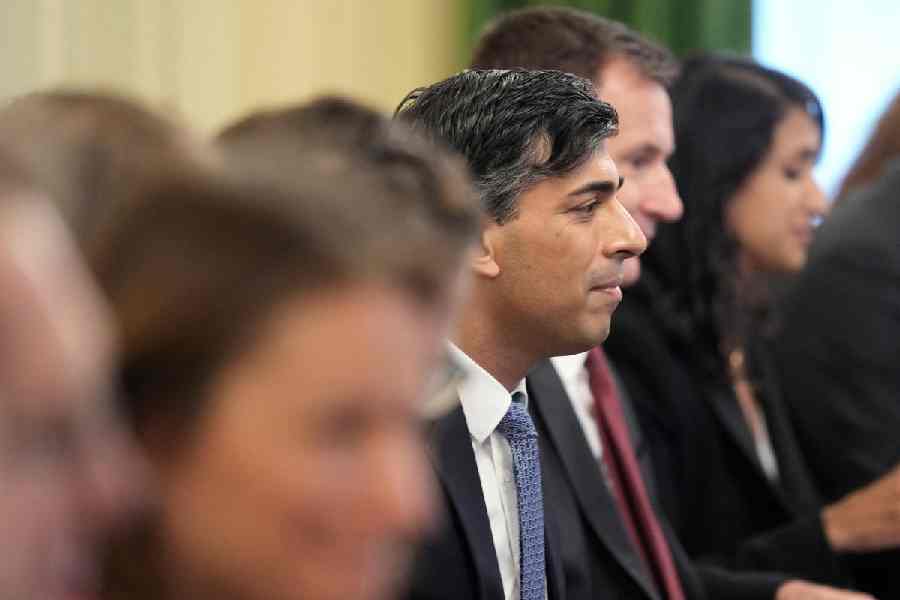
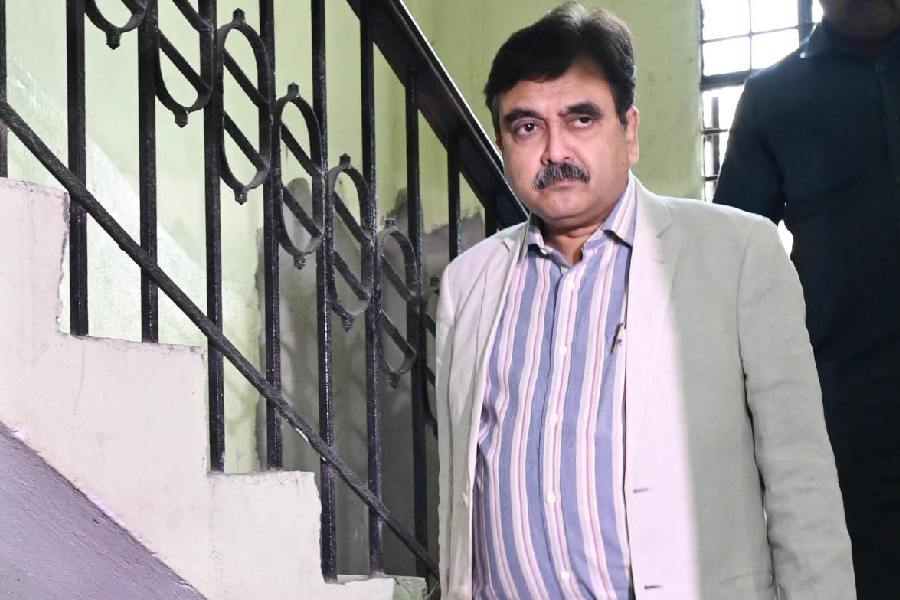
(From top) Obama, McCain and ElBaradei |
New Delhi, June 26: As domestic uncertainty over the Indo-US nuclear deal persists, the international timeline for its completion is fast getting squeezed between approaching elections in the worlds two largest democracies.
The US is already deep in election mode. At home, for all the hectic lobbying to stave them off, polls must be held by April 2009.
In between, there still lies a fairly elaborate obstacle course for the deal to negotiate, if and when it emerges from the interminable coils of the UPA-Left committee. That course runs through the IAEA board of governors and the NSG before it can hope to seek approval from the US Congress, which itself is nearing end of term.
The next meeting of the IAEA board of governors is scheduled for September 22. That date sits cheek-by-nailbiting-jowl with the last session of the US Congress under the George Bush presidency.
The odds that the current deal can be carried through with the successor US administration are rather low: both contenders, Republican John McCain and Democrat Barack Obama, have worldviews radically different from the current incumbents.
Purely technically speaking, the UPA government can still afford itself time until the monsoon session of Parliament and take the safeguards agreement to the IAEA in September.
Despite the Prime Ministers apparent annoyance at the delay — and his demand that the matter be sorted out within a few days — the political leadership continues to prevaricate. Top Congress leaders have spoken on unanimity in favour of the deal and of their decision to go ahead. But when exactly, theyve been unable to spell out. The chief reason for their indecision: double-digit inflation which is likely to spiral in the weeks to come.
But dragging a deadlock apart, that will mean the government may have cut the deadline perilously fine.
In focusing all their attention on the UPA-Left discord, most people forget that there is another timetable for the deal that is spinning away independent of domestic Indian factors, a senior government official said.
There are two hopeful bits of news for those keen on the deal, but the UPAs failure to make up its mind in time may eventually nullify them.
The IAEA, currently headed by Mohamed ElBaradei, both architect and outspoken proponent of the deal, has indicated to the government that it will be able to schedule a meeting of the board of governors at short notice to ratify the safeguards agreement.
All it will take is a 48-hour notice and half a day of deliberations to see it through to the NSG, an IAEA source told The Telegraph.
The NSG itself is probably more favourably disposed now than it has been. The chairmanship of the 45-nation body that owes its birth to Indias stunning 1974 nuclear test recently changed hands from South Africa to Germany.
South Africa is known to be militantly opposed to nuclear proliferation, it has voluntarily opted out on its own N-capability. NSG chairman Abdus Samad Minty personified his countrys anti-nuclear stance, so much so that he became known in IAEA circles as the God of non-proliferation.
With Minty gone from the NSG chair and the German ambassador to Vienna in place, the going for India may be a little easier. Conservatives, though, are careful to point out that there still exists strong opposition to the Indian case from some Scandinavian countries, Ireland and Australia.
The Americans wield enough influence over the NSG and may use that to swing things in Indias favour but that will require time, the official said. More than that, it will require a clear signal from our government that it is ready to proceed.
Arguing, like many top US officials these past weeks, that time was running out, the official said: On paper, you may still think there is a timeline that can be kept to after August. But dont forget, that will leave us very little lobbying time with the NSG. Whats worse, ElBaradeis term too would have ended.
|