Thursday, 02 May 2024
Thursday, 02 May 2024
Thursday, 02 May 2024








Have you watched the teaser trailer of ‘Mufasa: The Lion King’?
‘Panchayat’ S3 release date is hidden behind a ‘lauki’
Ranbir Kapoor swings to Robins Artman's tunes
Zhuzh up your summer look with high-street fashion from Zabella
This Mother's Day, gift your mom 2.Oh!’s haircare range
Telling the poor and the disempowered to settle for five kilos of ration and allowing cronies to grab five airports make every other form of inequality worse
PARAKALA PRABHAKAR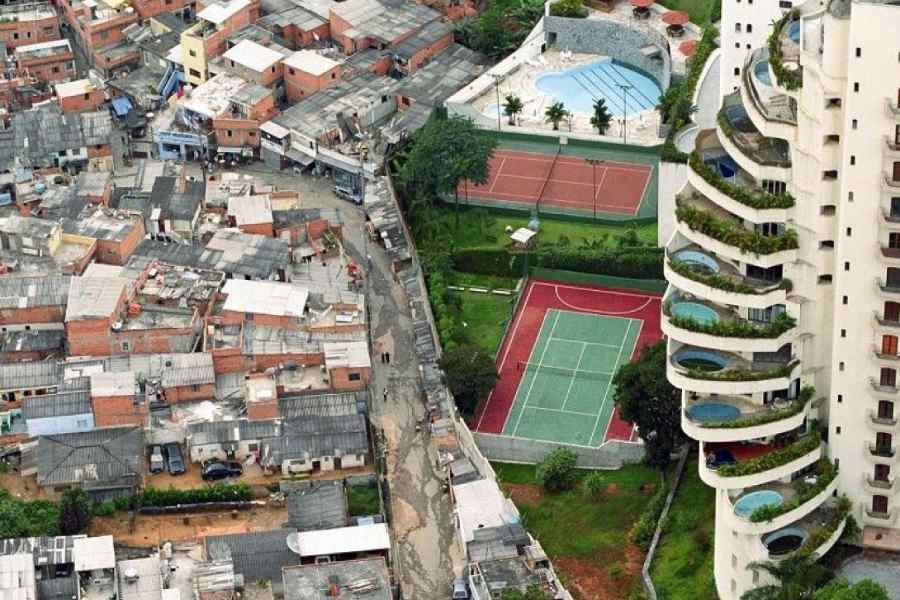
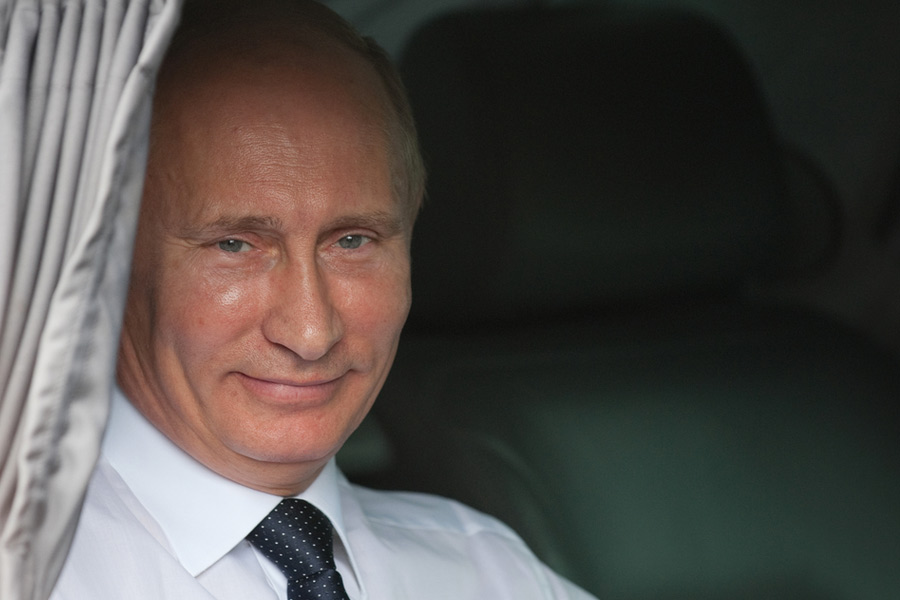
Dmitry Medvedev also often sounds crazy: since the beginning of the conflict, Medvedev has been the main source of Russian threats of nuclear war if things don’t go well for Moscow in Ukraine
GWYNNE DYER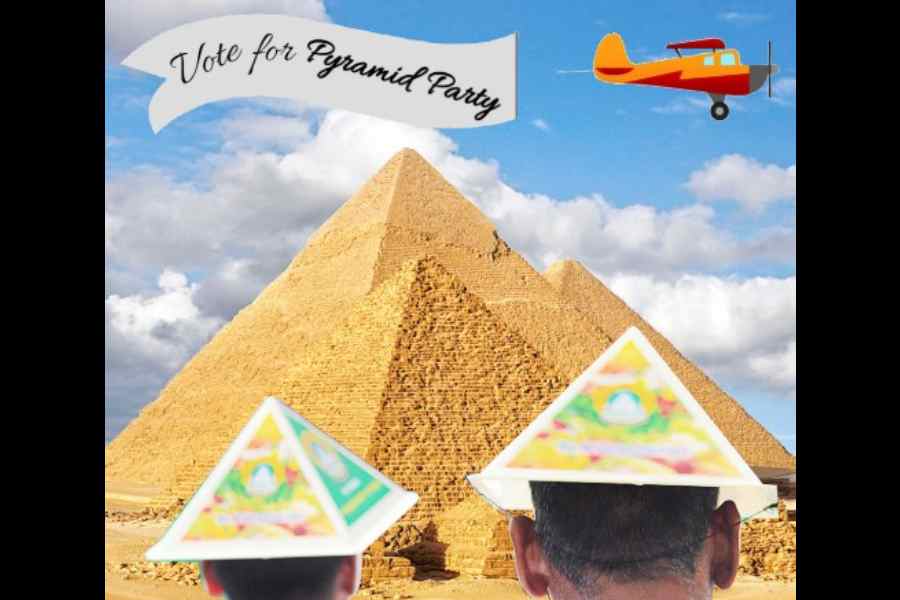
To the Indian voter, the media, the poll pundit, RUPPs may well be puppets dancing to democracy’s tune. But in their absence, elections in India would be robbed of colour
UDDALAK MUKHERJEE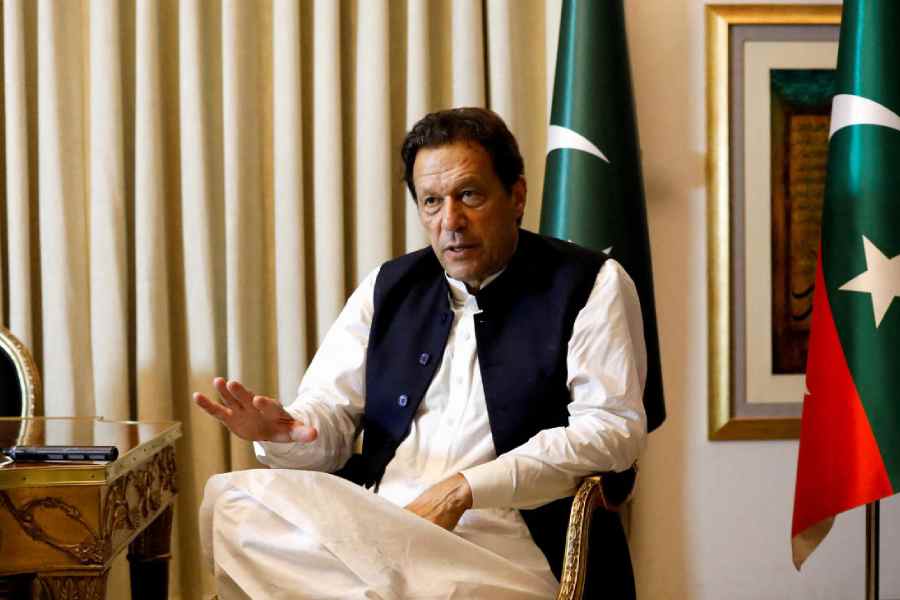
Pakistan Tehreek-e-Insaf's decision to not talk to the ruling parties is due to two reasons: first, the ‘mandate’ being given away to these parties and, second, the real power lying elsewhere
MEHMAL SARFRAZ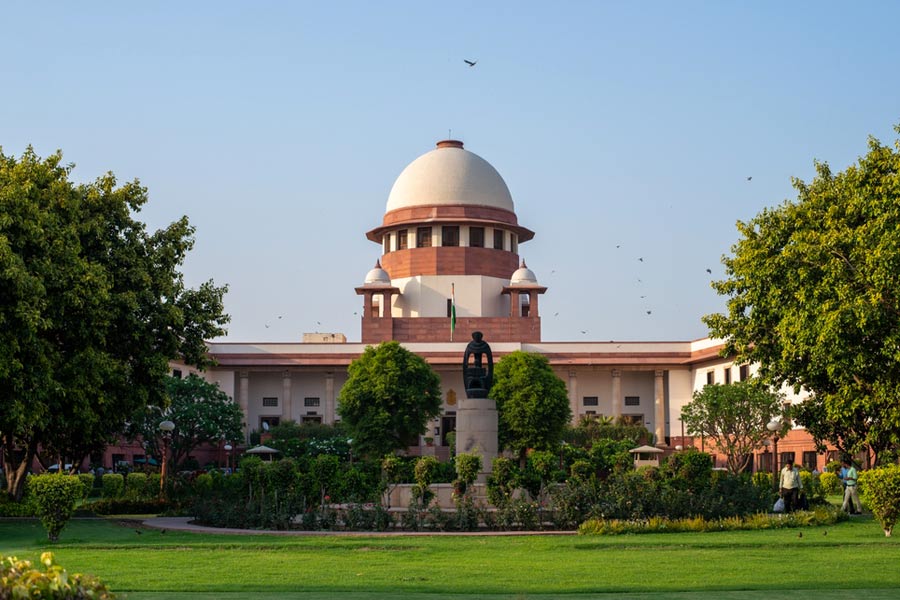
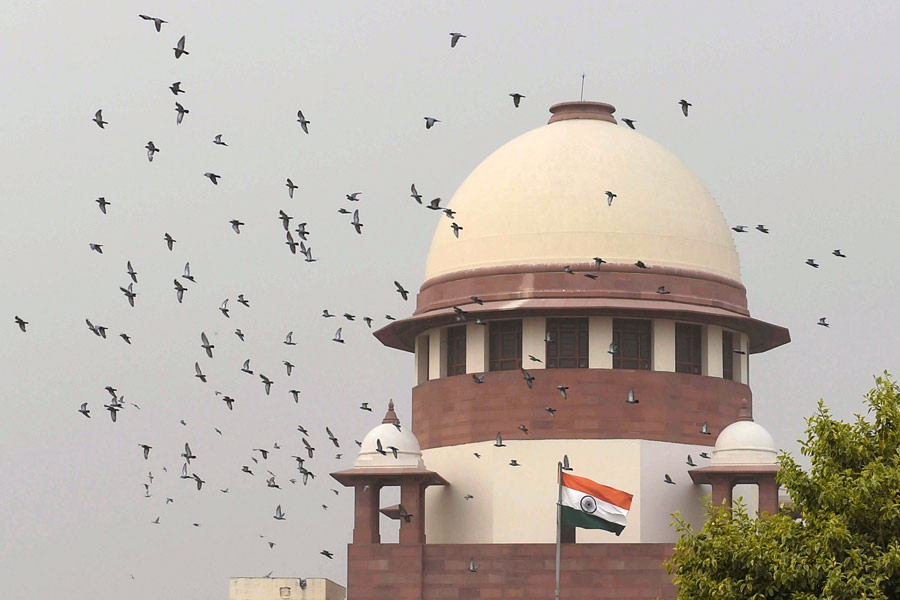
Food safety authorities, the government, the media and the people cannot afford to ignore the Supreme Court’s clarion call on safeguarding consumer rights and public health
THE EDITORIAL BOARD







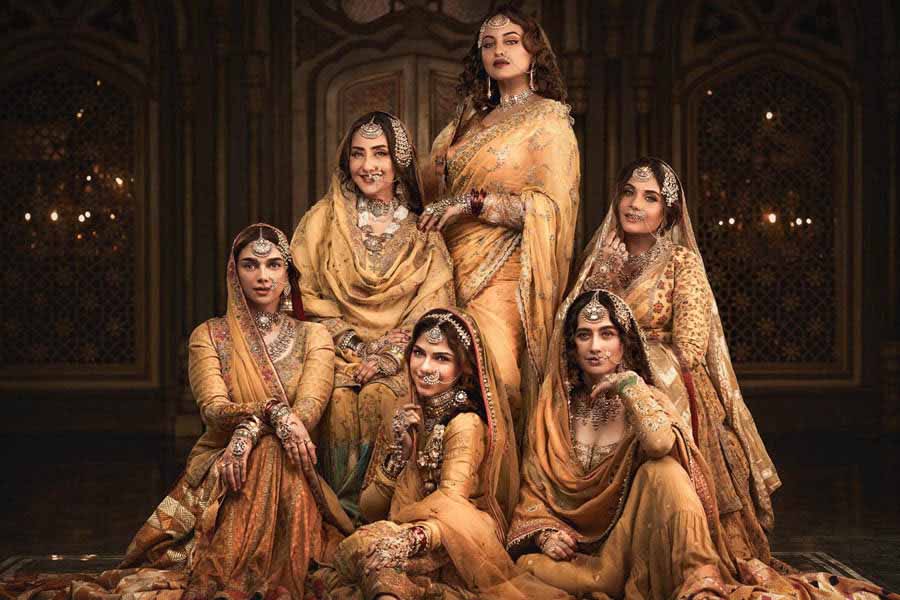
The Netflix period drama marks the Devdas director’s foray into OTT filmmaking