|
| Imaging: M. Iqbal Shaikh |
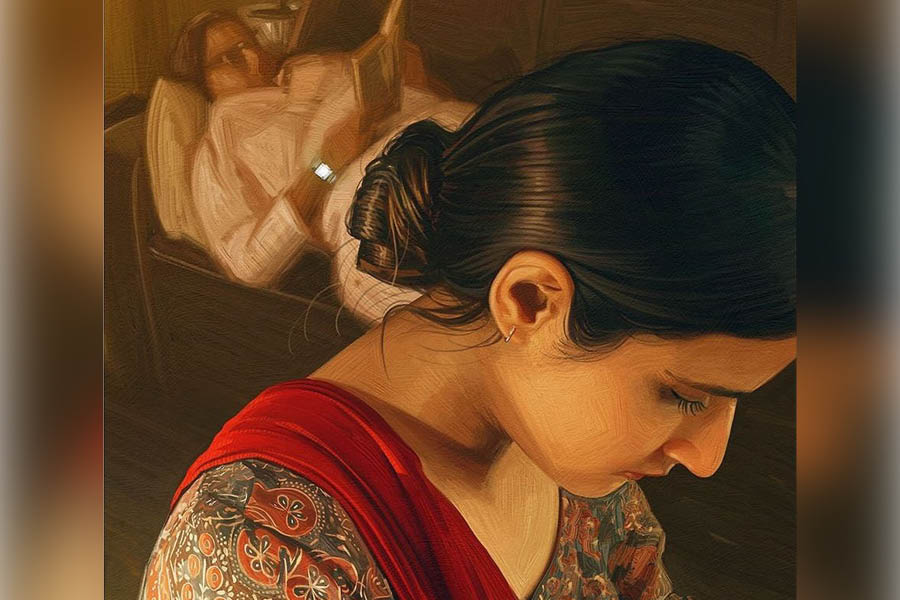
Rajesh Kaushal is a sad man these days. Like most Delhiites, he hates the scorching sun of the summer months. His energy levels are so low that he doesnt feel like leaving the cooler insides of his East Delhi home even for work. He skips his morning walks and feels guilty about forgoing his daily exercise. His family members recall how Kaushal has been going through this bout of mood swings every summer. They find him edgy and say that he flares up at the slightest provocation.
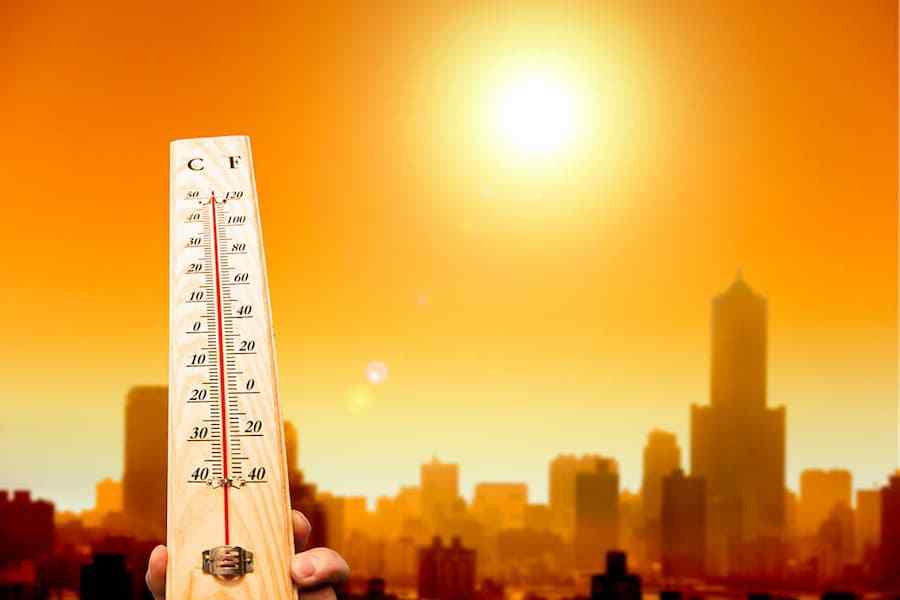
That people encounter mood swings during seasonal weather changes is an established fact. Every 1-2 degree increase in temperature increases irritability, aggression and manic tendencies in people, depending on their ability to cope with such changes mentally, says Dr Rajesh Dhume, a psychiatrist at the Directorate of Health Services, Goa. Heat, he explains, may lead to dehydration. If you lose too much water, the body salts get topsy turvy. The result causes a chemical imbalance in the brain.
But now a dire warning has come from the biggest health group in the world — the World Health Organisation (WHO). We may brush off a prolonged heat wave or freezing temperatures as a part of life, but the WHO says these can lead to severe mental problems.
Peoples stress levels may rise, they may get depressed, fall ill or have sleepless nights. In the worst case scenarios, some may even kill themselves — all because of a rise or fall of a couple of degrees in temperature.
This may sound alarmist, but the experts are indeed worried. For the first time, the WHO has come out with a paper that links the psychosocial well being of people with climate change.
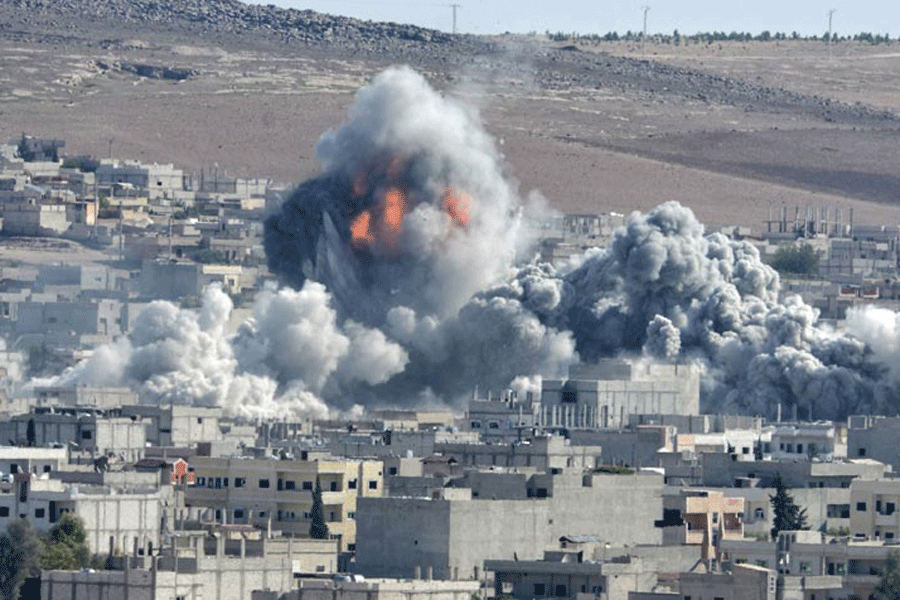
Climate change can lead to floods and droughts, forcing people to leave home. Property losses and displacement can stress out people, with long-standing effects on anxiety levels and depression. Children are among the most affected, along with the poor or less affluent.
The WHO gleaned data from independent studies conducted on those who survived calamities such as the 1999 super cyclone in Orissa, extreme heat waves and floods in Europe in recent years and Hurricane Katrina in the United States in 2005. Freaky weather, it says, can lead to a substantial increase in psychiatric illnesses — ranging from mild to severe ones.
Right now, 10 per cent of the general population suffers from mild to moderate common mental disorders. But if there is any kind of a severe trauma (such as displacement or property loss), the percentage of people affected may double. The 2-3 per cent cases of severe mental disorders, like psychosis, may go up to 3-4 per cent after exposure to severe disasters.
Till now our focus was not on mental health promotion. But with more and more evidence emerging on how natural calamities can exacerbate psychological condition and psychiatric illnesses, there is a renewed interest in the subject, says Dr Poonam Khetrapal Singh, WHO deputy regional director for the south-east Asia region.
The 2004 tsunami was the turning point. Scientists for the first time zeroed in on the region, focusing on the mental health of those hit by the killer tidal waves. The WHO estimated that 30-50 per cent of tsunami-affected people experienced moderate-to-severe psychological stress, while 20-40 per cent suffered from short-duration mild psychological distress. The anxiety and stress-related disorders that haunt survivors of a serious tragedy are called post-traumatic stress disorder (PTSD).
Tsunami survivors in Sri Lanka are still killing themselves even three years after the catastrophic event, Dr. Singh says.
Almost half the population of New Orleans suffered from depression, panic disorders and post-traumatic stress even five to seven months after Hurricane Katrina. Social workers reported a three-fold increase in depression, suicidal tendency, anxiety and abuse of drugs and alcohol.
What worries the experts is that weather-related natural disasters are on the rise — which implies mental health will be a grave problem in the years to come. The incidence of natural catastrophes has tripled since the 1960s, says the WHO document released earlier this month. Quoting John Holmes, UN humanitarian chief, the report says 14 out of 15 flash appeals his agency received for aid last year were for floods, droughts and storms. This was at least five times higher than that in any previous year.
The depression takes its toll in different ways. Drought affects family relationships — leading to stress, worry and even an increase in suicides. In a way, the suicide of farmers in parts of India in recent years reflects the agony that people face in times of weather change.
It can also lead to isolation and increased workload as fewer workers take on more work, partners move off the farm for additional income or for their childrens school needs and families can no longer afford basic needs such as medical treatment.
What is significant is that it is not always a big disaster that causes severe mental problems. Sometimes, it can be as seemingly minor as the changes in ones surroundings.
Nature is shifting away from us, explains Glenn Albrecht, Australian environment philosopher who coined a new term, solastalgia, to depict the distress suffered by people over environmental change. This leads to a feeling of dislocation and loss suffered by people who helplessly watch the changes occurring around them. They crave, for instance, to hear the birds of their childhood, and see the familiar plants that they grew up with.
It is a serious existential issue, Albrecht told The Telegraph from his Newcastle University office in New South Wales in Australia.
Some feel annoyed, some sad and others get agitated. These are the symptoms of solastalgia — which Albrecht defines as a mix of the words solace and nostalgia. Albrecht initially coined the word in 2003 to describe the reaction of residents of a New South Wales area who lost their local environment to coal mining and power generation companies. Subsequently, he enlarged it to portray the sadness felt by hundreds of thousands of fellow Australians reeling under acute heat.
But it is universally relevant, he observes. People who lose their land and houses to sea erosion or floods in the crowded cities of Bangladesh and India such as Calcutta and Mumbai will feel much the same way as the Inuit (natives of the Arctic) who lose their surroundings in the glacial melt.
In a world thats quickly heating up and drying up, you cant go home again — even if you never leave, Albrecht says. |