The Telegraph
 
 
IN TODAY'S PAPER
WEEKLY FEATURES
CITY NEWSLINES
FEEDS
  RSS
  My Yahoo!
SEARCH
 
Archives Web
 
ARCHIVES
Since 1st March, 1999
 
THE TELEGRAPH
 
 
Email This Page
Coy for a President, but not Delhi parrot

Mexico City, April 18: When Delhi signed a Preferential Trade Agreement (PTA) with Mercosur in 2004, it was envisaged that there would be 450 products covered by that PTA to the advantage of Indian businessmen.

One of the tariff lines covered by that agreement was for the export of a pharmaceutical product that would be sniffed by dogs in Mercosur countries so that they can detect illegal drugs in baggage and cargo.

Argentina, Brazil, Paraguay and Uruguay are members of the Latin American Mercosur group, Mexico is an observer while Chile, Bolivia, Colombia, Ecuador and Peru are associate members. Venezuela is to join the group soon.

During debates in Brazil’s parliament to ratify the PTA, there has been criticism that this Indian pharmaceutical product contains cocaine.

Ratification of the PTA has been held up by legislators, who mistakenly argue that the agreement with India allows Mercosur states to import cocaine from India!

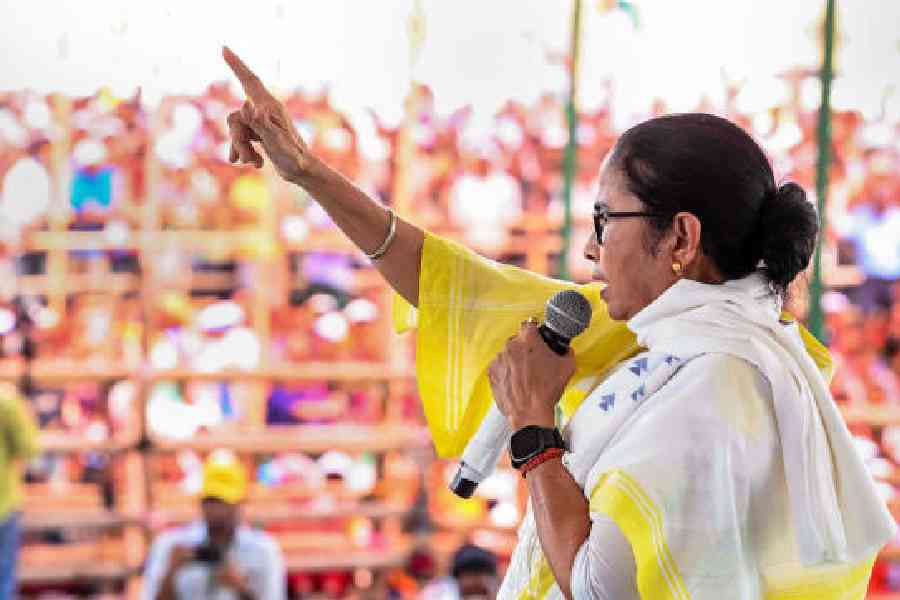
In her address to Brazilian senators on Tuesday, President Pratibha Patil pitched for early ratification of the PTA.

“India looks forward to the early ratification by this august House of the Preferential Trade Agreement which was signed during the landmark visit of President Lula to India in January 2004,” she told senators.

The President’s speeches elsewhere on the current Latin American tour are key to the Patil presidency: subtly but decidedly, she is trying to put her stamp on Rashtrapati Bhavan, early on in her presidency.

Her predecessor, A.P.J. Abdul Kalam, brought vigour to Rashtrapati Bhavan. The man who lived there before him, K.R. Narayanan, wanted to be known as an intellectual President and he fiercely protected his left-of-centre image to the point of introducing a discordant note into his banquet speech in honour of US president Bill Clinton during his visit to India in 2000.

Other previous Presidents have similarly tried to put their stamp on the presidency: some have succeeded, others have failed.

Patil’s ongoing visit to Brazil, Mexico and Chile has been put together with considerable thought to send out the message that while she looks demure, occasionally smiles somewhat coyly for a woman of 73 and carries her age with grace, she is no ceremonial parrot who will repeat any brief that is put to her by veteran turf warriors of Delhi’s babudom.

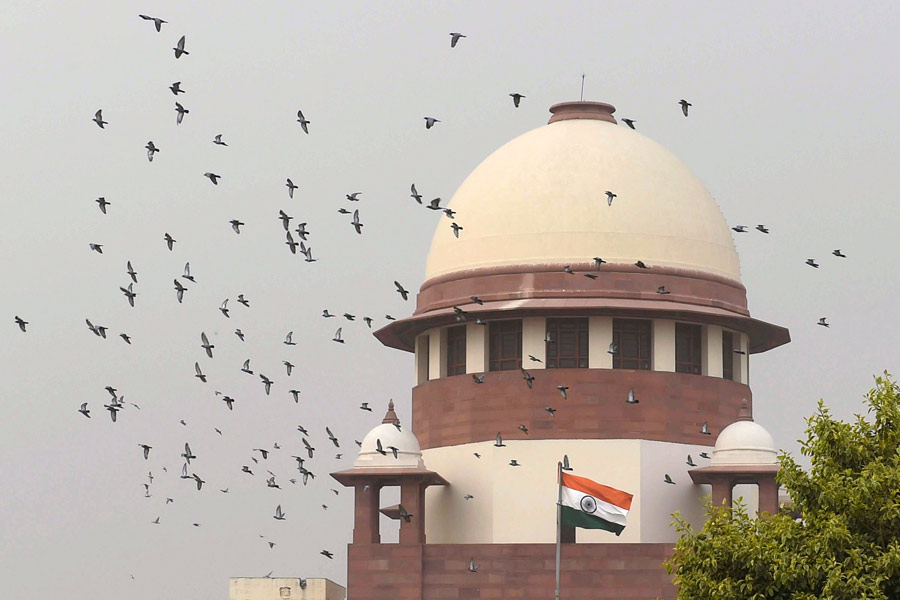
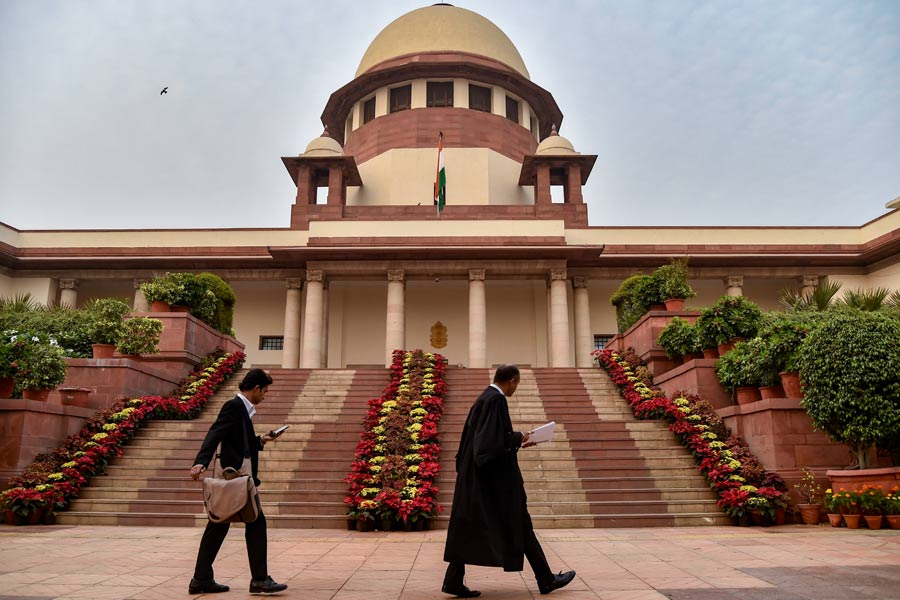
It is no coincidence that her Latin American itinerary has a uniquely common element in all the three countries she is visiting. Patil is visiting Supreme Courts and meeting chief justices in every country she is visiting.

Unlike in other parts of the world, Supreme Courts have a special place in Latin America. After the dark days of dictatorships, Supreme Courts have been the bulwark enabling many Latin American countries to find their way back to civilised political discourse and full democracy.

This is true of Chile, which went through the dreaded Pinochet years, of Mexico which ended more than 70 years of one-party rule in 2000 and Brazil, which also had its share of military dictatorship.

Patil’s reasons for visiting Supreme Courts, though, are not entirely altruistic. With the growing engagement between India and Latin America, often involving increasingly complicated bilateral and multilateral legal arrangements, there is a feeling in Delhi that it is imperative that the judicial systems on both sides must actively engage each other.

It would be impolitic to begin this engagement during visits by political Prime Ministers from India. What better way to make a start then, than during a visit by a President who has a constitutional stature that equals the image of justices of Supreme Courts.

According to sources here who are privy to conversations between Patil and her hosts from the judiciary in Brazil and Mexico, the latter engaged the President as much as a trained lawyer as a head of state.

For India, it was unfortunate that Patil’s forays into legislatures in her host countries became mired in speculation and controversy.

Hers was the first effort by any Indian President to be direct and proactive with a legislature abroad on matters of specific Indian interests — such as the PTA between India and Mercosur.

What Patil has been doing abroad so far in her Latin American tour makes it clear that she does not intend to be a mirror image of any of her predecessors, but would at least like to attempt her own course through her presidency.

Top
Email This Page