|
|
|
Coronation of Charlemagne |
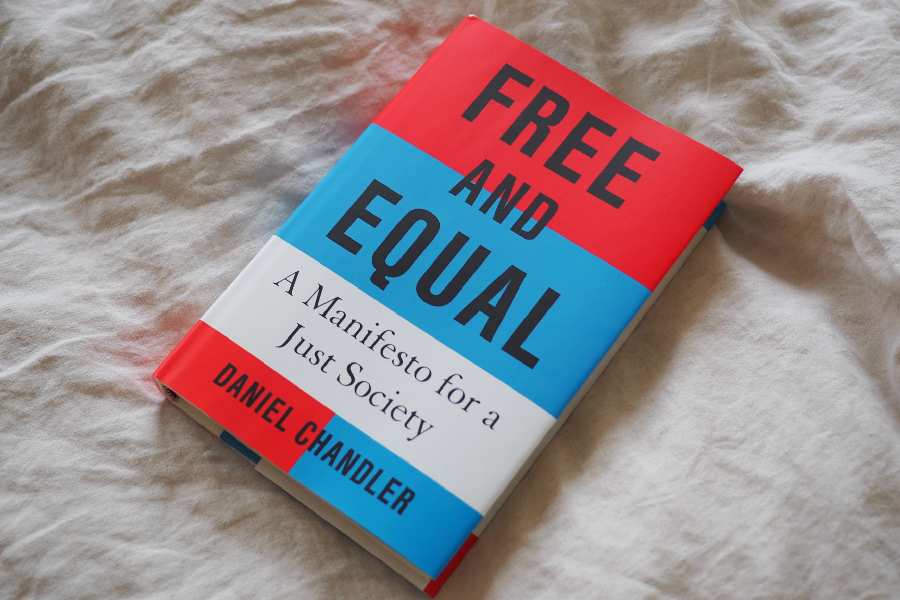
I wish I’d Been there: Twenty historians revisit key moments in history
Edited by Byron Hollinshead and Theodore K. Rabb,
Macmillan, £11.50
Historians are perpetually in an unenviable position. Their discipline demands that they recreate the past, which is an elusive task. Historians can never go back to the past, they can only access the past through some traces the past has left behind. Historians cling to these traces as their sources for recreating the past. These sources are by definition poor substitutes for actually being present as an event unfolded. Given this disadvantage, what historians try to do is to situate themselves in the past and to imagine what it was actually like in the past. The recreation of the past has to be acceptable and persuasive: history is inextricably linked to rhetoric.
Keeping the disadvantages that historians face and the purpose of their discipline, the editors of this volume asked some scholars (mostly historians) to pick a moment in the past that they would like to inhabit. These historians thus faced two issues: first, choosing an event and second, demonstrating its significance. The choices are fascinating as the essays in this book, all lucidly written without even the hint of jargon and academic specialization, range from politics to science to literature and art.
The book opens with an essay on the death of Alexander the Great on the afternoon of June 11, 323 BC on the banks of the Euphrates in the city of Babylon. He was so ill that he could hardly move or speak. He was in his early thirties. Josiah Ober, a historian of the classical world, would have liked to have been present in Babylon as the conqueror lay dying. The event allows him to look back briefly on Alexander’s conquests and his efforts to give a structure to the vast empire he had acquired. What were his plans for the future? How was he mourned? These are the questions that draw the historian.
In another essay, Theodore K. Rabb looks at one of the pivotal moments of European history and culture: the coronation of Charlemagne as the Holy Roman Emperor on December 25, 800 AD. From around 604, the papacy had been in complete disarray and no city in Western Europe was in a flourishing condition. The centre of what had been Roman civilization had shifted to Constantinople where the ruler continued to call himself the Roman Emperor, as the successor to Constantine the Great. The conflict between the Eastern Roman Empire and the Western one was both spiritual and temporal, covering a range of issues from taxes to modes of worship. In the late 8th century, Western church found a protector in the Frankish king, Charlemagne, whose armies swept aside all opposition from Germany to Spain, from Brittany to Hungary. Rabb would have loved to have been present in the long-drawn-out negotiations between Charlemagne and Pope Leo III that led to the coronation and bizarre tension between empire and papacy that marked the history of medieval Europe.
There are other essays here on the signing of the Magna Carta; the momentous meeting, outside London, between King Richard II and the peasants led by Wat Tyler; the secret visit of the future Charles I to Madrid; the making of Newton’s Principia; the great exhibition that saw Edouard Manet’s Le Dejeuner sur l’herbe; Picasso’s only involvement with ballet and so on.
All the essays are lively and the reader can take his pick according to his tastes. The essays are arranged chronologically and thus offer an entry into European history and culture. |