TT Epaper LHS
The Telegraph
TT Mobile
 
 
IN TODAY'S PAPER
WEEKLY FEATURES
CITY NEWSLINES
FEEDS
  RSS
  My Yahoo!
SEARCH
 
Archives Web
 
ARCHIVES
Since 1st March, 1999
 
THE TELEGRAPH
 
CIMA Gallary
 
Email This Page
Next weekend you can be at ... Nameri

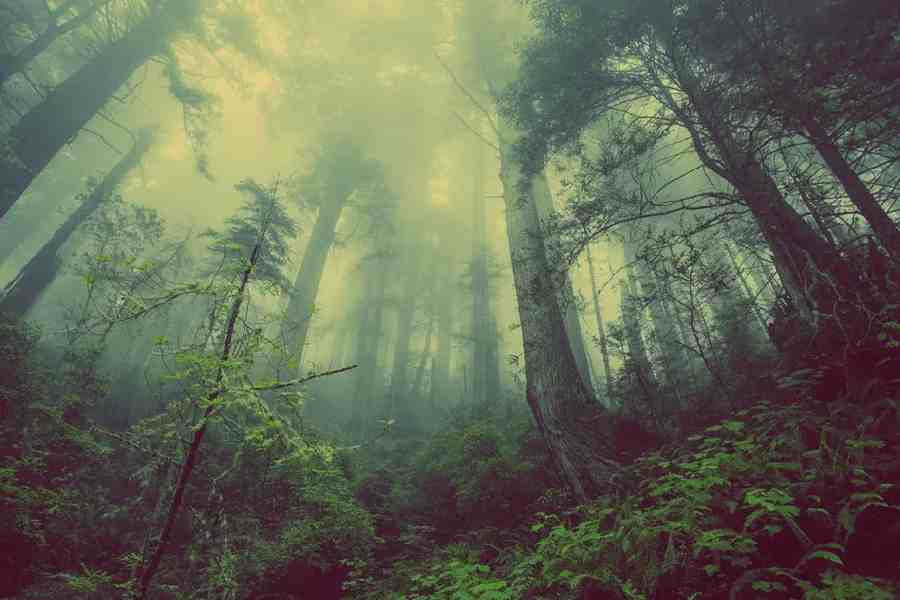
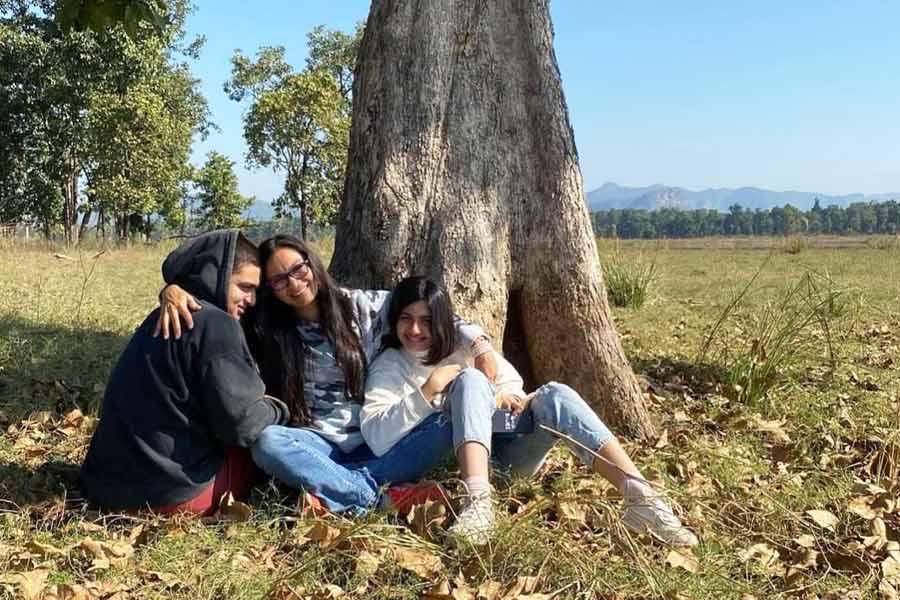
Nature fills up your senses at Nameri. The national park at the foothills of the Eastern Himalayas is home to a wide variety of flora and fauna, including tiger, elephant, leopard, bison, sambar, hog deer, wild boar, Himalayan black bear, capped langur and giant squirrel.

However, spotting wildlife in the dense jungle is difficult. A plethora of reptiles and insects bears testimony to the bio-diversity of the region.

The semi-evergreen, moist deciduous forest spread over about 1,000 sq km is punctuated by narrow strips of open grassland along the Jia Bharali river, which provide ample opportunity for picnics. Rafting is possible in the river at certain times of the year.

Jungle treks conducted by the wildlife department present the best opportunity of exploring this fascinating land. The monotonous buzz of insects is occasionally broken by the call of a bird. Twigs snap on the forest floor as you walk. Nature can be seen, smelt, heard and felt here.

Nameri, which shares its northern boundary with Pakhui Tiger Reserve of Arunachal Pradesh, has become popular with bird-watchers. More than 300 species of birds have been spotted here, including four species of hornbill and an abundance of hill mynas, barbets, babblers, bulbuls, plovers, Black Necked Storks, king vultures and fishing eagles. The endangered white winged wood duck has also been seen.

Multi-coloured butterflies, dragonflies and lantern flies are common. An Atlas Moth with a wingspan of 10 inches was recently spotted in Nameri National Park.

About 30 km away is Bhalukpong, on the border between Assam and Arunachal Pradesh. Permits to enter Arunachal Pradesh are issued in this town. The hills of Arunachal start rearing their heads from Bhalukpong. The Jia Bharali river can be seen in a different avatar here.

From a base in Bhalukpong, WWF India recently conducted a survey of plants above the ground. The study by North Bank Landscape team of WWF India revealed that the area is one of the richest in the world in Plant Functional Type and second only to Sumatra in Plant Functional Complexity. The report concluded that the area is “one of the richest and most threatened reservoirs of plant and animal life in the world”.

We stayed at The Eco Camp in neighbouring Potasali village, which provides you the experience of living amid nature. Guests have to put up in jungle tents and Chung cottages on the sprawling green compound. You might find a frog staring at you while you take a bath in the outhouse or a giant moth glaring at you from the corner of the tent as you tuck yourself in, but these only remind you that you are in the heart of the jungle.

The camp provides facilities for rafting, angling, bird watching and jungle trekking.

Going

Take a train or flight to Guwahati and hire a car to Nameri. It is 264 km by road.

Staying

The Eco-camp at Potasali, which has 10 twin-bedded jungle tents and cottages with attached toilets. The camp canteen provides basic food. Contact: Camp Director, Eco-camp, Potasali (Nameri Tiger Reserve), Sonitpur district, Assam. Ph: 09854019932.

The tourism department has tourist lodges in Tezpur and Bhalukpong (21 km from the park).

The best time to visit is November to March.

To visit the national park, contact: Divisional Forest Officer, Western Assam Wildlife Division, Dolabari, Tezpur or Range Officer, Nameri National Park, Potasali.

Top
Email This Page