|
|
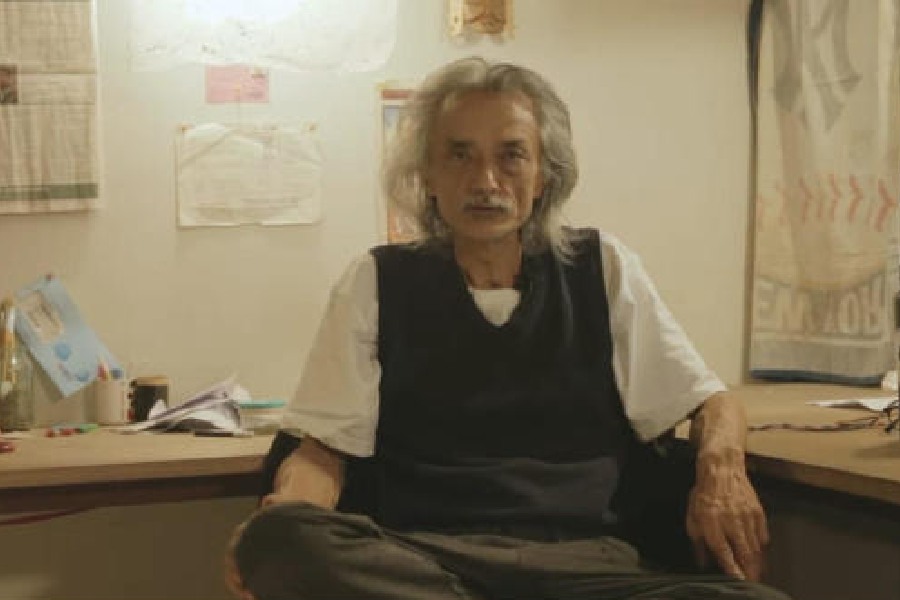
(From left) Burciaga, Greene and Lee in Delhi. (Prem Singh)
|
New Delhi, March 22: David Burciaga, 25, doesnt know about the Shivani Bhatnagar murder, but he is anxious to understand why criminal cases in India drag on as long as the nine-year saga surrounding the former journalists death.
He has met Indian law minister Hans Raj Bharadwaj, a slew of lawyers and legal experts over the past week. But no one has quite been able to explain the judicial delays that frequently make victims, families and those accused contemplate whether justice delayed is justice denied.
Where I study, in Illinois, a public outrage would erupt if a case continued for even a year — from the filing of charges to the delivery of the final verdict. We are trained to believe that criminal cases must be completed promptly, he says.
Burciaga is among 24 law students from the US who are currently visiting India to study perceived loopholes in its legal system.
The students — from the 149-year-old Northwestern University School of Law in Chicago, Illinois — have already travelled to Calcutta and Delhi and, after a quick vacation in Goa, plan to get back to work in Jaipur.
During their postgraduate course, each class of students at the law school has the opportunity to opt for a country it would like to study.
Back in the US, there is a definite perception that the legal system in India needs changes. The huge backlog of cases here is possibly the biggest blot on the perception of Indias judicial set-up in the US. It is also extremely interesting from the point of view of a study, says professor Locke Bowman, who is accompanying the students.
Earlier this month, Bharadwaj, in a reply to a question in the Rajya Sabha, admitted to a backlog of 28,986,205 cases in courts across India. The Supreme Court is responsible for 46,926 of the nearly 30 million cases.
High courts account for another 3.7 million cases. Calcutta High Court had 279,318 cases pending on December 31, 2007, the minister said in his reply.
Shivani Bhatnagar was murdered in January 1999. The main accused, IPS officer R.K. Sharma, was convicted only this month. The sentencing is expected tomorrow.
Although they accept that Indias huge population may be a reason behind the backlog of cases, Burciaga and classmates Rosemary Greene, 28, and Thomas Lee, 24, are not certain it is the only reason.
From what we hear from lawyers and experts, there are a large number of adjournments for frivolous reasons that are allowed here, says Lee.
Though the law allows adjournments only on reasonable grounds, it does not define the word. Stricter guidelines are possibly needed to ensure that adjournments are only granted in rare circumstances. The law minister agreed with us that there is a problem, Greene adds.
|