|
|
Picture by Pradip Sanyal
|
Nadna, Feb. 28: Suku Soren has never used shampoo or softened her skin with cold cream.
Born in 1991, the year the Indian economy was unshackled to move in step with the outside world, the 17-year-old has never stepped out of her village.
The tribal girl has grown up in Nadna, just 10km from the Indian Institute of Technology (IIT), Kharagpur — a symbol of Indias march in the knowledge economy — without ever going to school.
Kharagpur has the worlds longest platform, too, but Suku has never seen a train. Or a movie.
Barir kaaj kori, bhai-bonder dekhi (I do domestic chores and look after my brothers and sisters), the oldest of six siblings says.
Nadnas literacy rate is 21 per cent. Nearby Baghuashole and Khagra have two primary schools but Sukus parents, Kanon and Saraswati, have other things to think of.
In a village where seven out of 10 people live below the poverty line, food, drinking water and healthcare top the priority list.
Four of Nadnas five tube-wells are defunct. And despite the endemic tuberculosis and diarrhoea, the primary healthcare sub-centre stays closed most of the year.
Ill go fetch water from the well after my parents return, Suku says, sweeping the courtyard while keeping an eye on siblings Basanti, Budhni and Daman.
Kanon, a daily wager, returns well past noon. He has had no luck looking for work today.
Saraswati, who had gone to the Anganwadi centre to get food for one-year-old Rabindranath, returns with a half-filled can of khichdi. Not enough for the family.
The rice from our 15-cottah plot runs out in five months. We have learnt to live with hunger, Saraswati says.
A 5km country road, off Kharagpur-Keshiyari Road, is the villages only link with the world. Cars of the latest models zip by on the main road; for Nadna, even a bicycle is a luxury.
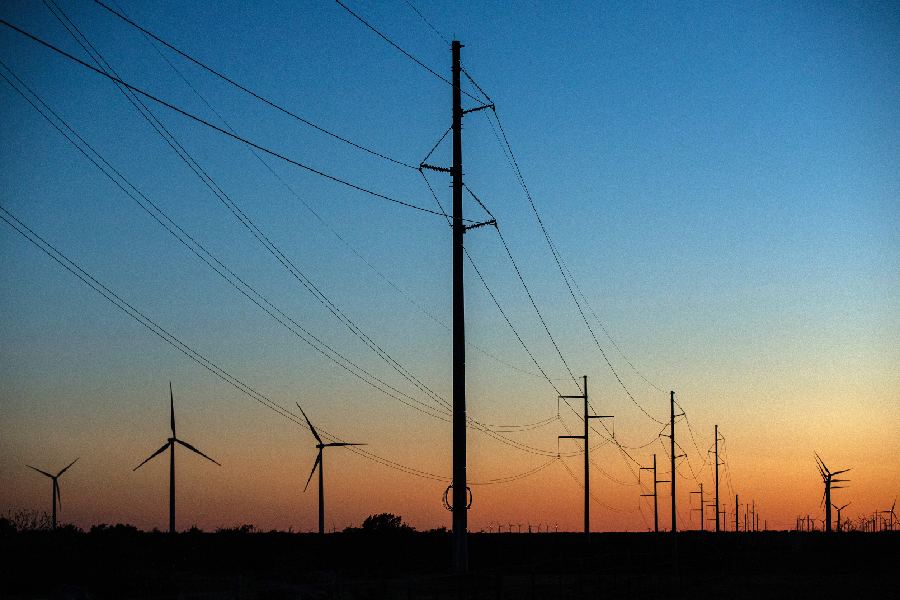
Electric poles rise skywards from the arid soil but most homes here are without power. Mobile signals are available but handsets are yet to arrive.
Nadna, under the Bhetia gram panchayat in Kharagpur I block, is one of Bengals 4,612 backward villages. According to the government definition, this means the female literacy rate is below 30 per cent and less than four out of 10 people have a job more than six months a year.
Kanon can find work hardly 70 days a year. When he does, he earns Rs 40 or 4kg rice against 12 hours of labour.
Our son Arjun is lucky. He studies at a free boarding school for tribals in Aharmundi, 25km away. He at least gets two meals a day, Kanon says, his wrinkled, unshaven face breaking into a wry smile.
If Suku, too, had gone to school, she might be sitting her higher secondary next year — the Bhetia Chandi HS School is just 6km away.
IIT Kharagpur would still have remained 10km too far, though.
In plus-two, we teach only arts subjects. To teach science, you need laboratories, said headmaster Subhash Chandra Bhowmik. We dont have electricity in the classrooms — not even proper toilets.
Indias economic boom has passed Suku and Kanon by. I am where I was 10-15 years ago, if not worse, Kanon says.
Suku Soren
Age: 17
Where: Nadna, 10kmfrom IIT Kharagpur, in West Midnapore
Education: Never been to school
Occupation: Domestic chores
Family: Mother Saraswati, father Kanon and five siblings
Family annual income: Rs 2,800
House: Single-room mud house with thatched roof. Space inside not more than 200sqft and the entire family sleeps there
Vehicle: None
Most valuable
possession: Utensils, Kanon’s black stone ring, and junk jewellery worn by his wife and Suku
Least valuable possession: Nothing
Most cherished dream fulfilled: The poor can’t afford dreams, says Kanon
Cherished dream yet to be fulfilled: Two square meals
a day |