|
Kohima, Feb. 26: Hillary Clinton and Barak Obama are not the only ones sparring at election debates. Election candidates in Nagaland, too, are learning what Clinton feels like on being snubbed by her main political rival.
Taking a cue from the American presidential elections, various organisations, especially students’ unions, have come forward to bring their local candidates to a common platform to interact with the people as well as the candidates.
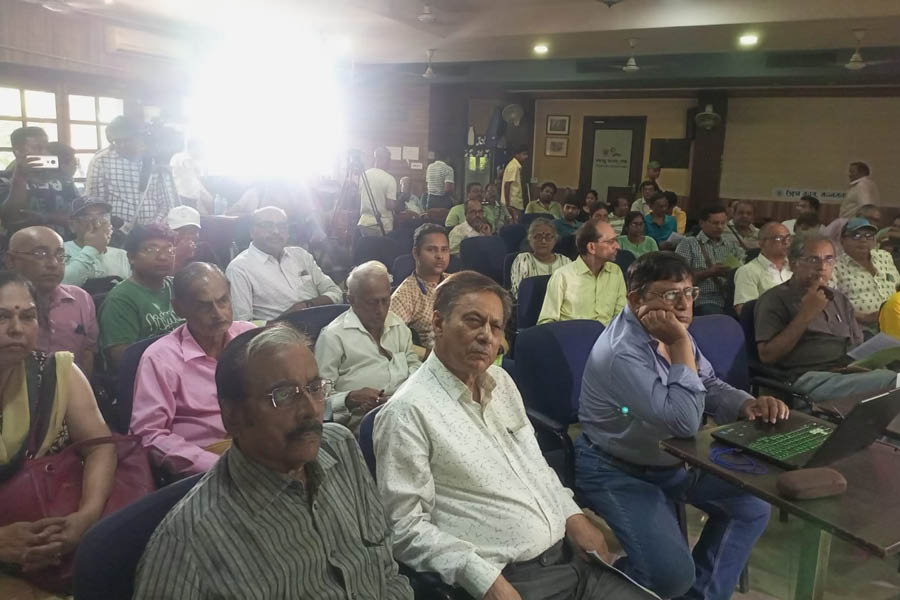
Kohima village — the second biggest village in Asia — witnessed such a common platform today, where the three candidates from the Northern Angami-I Assembly constituency tried to outspeak each other in front of the audience.
The platform was, however, a very tame affair with all the candidates — Shurhozelie Leizietsu of Nagaland People’s Front, Seyiekuolie Angami (Congress) and Prasielie Angami (Independent) — voicing their poll promises and avoiding controversies.
While all the three pitched for adequate employment avenues for youths and uplifting poor people and farmers, the NPF and Congress candidates stressed more on the need to facilitate the peace process between the Centre and the Naga outfits. Prasielie, who resigned as the Nagaland Youth Congress president to contest as an Independent after he was denied party ticket, said it was time for the Naga youths to arise and take the lead in the all fields.
The audience was, however, least bothered about peace talks, or for that matter, youth and women’s empowerment. What mattered to them most was better roads, adequate water, uninterrupted power supply, better healthcare facilities and proper implementation of schemes for the farmers.
Today’s programme was jointly organised by the Kohima Village Students’ Union and Kohima Village Youth Organisation — the two most powerful organisations of the village.
In another such meeting held recently at Phek, the candidates were asked to sign a paper promising to serve the people with utmost sincerity if elected.
All the candidates promised to properly utilise the welfare schemes, construct roads and communication links, implement schemes for the farmers and generate employment opportunities for youths.
A senior student leader from Kohima village, Neibu Angami, however, appeared doubtful about the promises of the candidates to provide the youths with jobs. Citing the failure of the 25,000-job opportunity programme announced by then Prime Minister Atal Bihari Vajpayee, he said, “Hardly any Naga youths got jobs under the special package in the right way.”
His friend Mhalezolie Kire, a social worker, said common platforms are important but added that they did not seem to have worked till now, accusing the candidates of shying away from promises. He said the idea would not work in the state as the candidate with the most money to offer the people will win. “Whoever spends more money will win the elections,” Kire said.
Vikheto Sumi, another social activist, said the present unrest and antisocial activities in the state were the direct result of the widened gap in the Naga society between the haves and have-nots, and majority of the people are deprived of the welfare programmes.
|