Friday, 10 May 2024
Friday, 10 May 2024
Friday, 10 May 2024









Glen Powell and Daisy Edgar-Jones chase twin tornadoes in action-packed ‘Twisters’
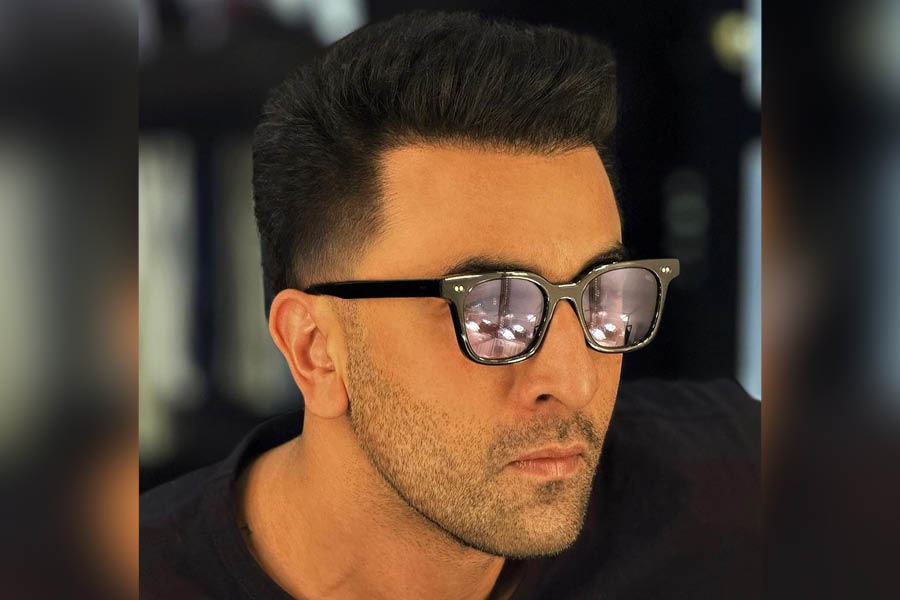
Check out Ranbir Kapoor’s suave transformation by Aalim Hakim
Kolkata biryani Vs other biryanis — the battle continues…
Add Rupleena Bose’s ‘Summer of Then’ to your June reading list
Experience Tenzing Dakpa’s solo exhibition ‘Weather Report’
In India, there is another terrifying phenomenon now: millions are so fed up with looking for a job that they have stopped looking and have exited the workforce
R. RAJAGOPAL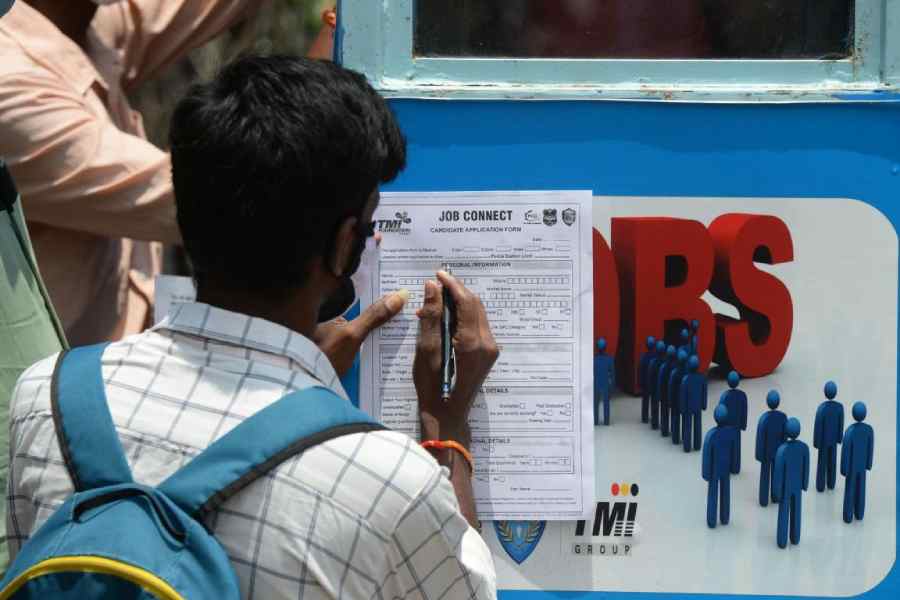
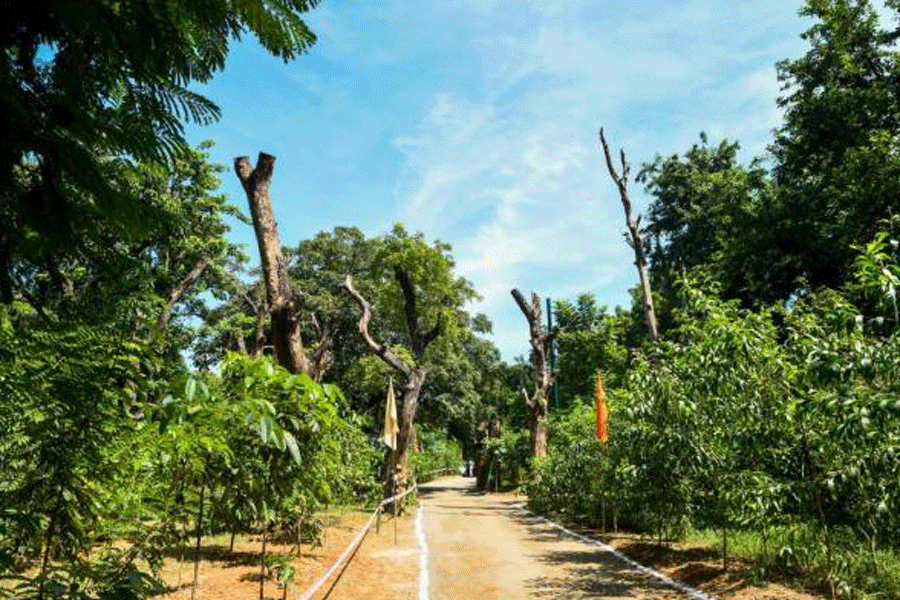
FRA seems to be a crucial issue in many constituencies — most acutely in states like Jharkhand, Madhya Pradesh and Odisha — that are going to the polls in the remaining phases of the elections
JAIDEEP HARDIKAR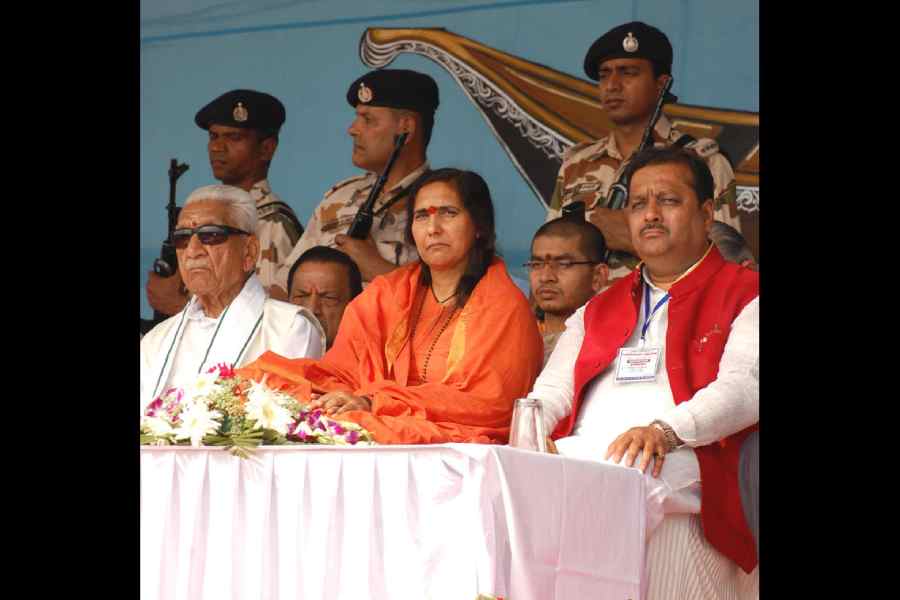
Intervening on social media, a chronicler of contemporary India recently complained that 'In fifty years of observing Indian elections I have never seen such vile and hate-filled rhetoric'
SWAPAN DASGUPTA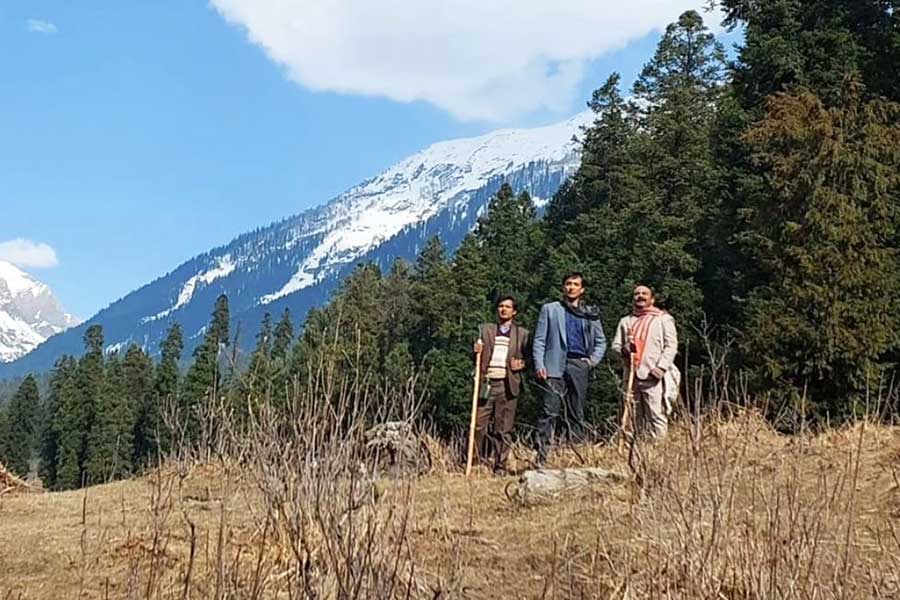
Travel writing was historically a lowbrow genre, both in terms of financial success & academic respectability, until two books appeared. One by Paul Theroux & the other by Paul Fussell
ABHISHEK CHATTERJEE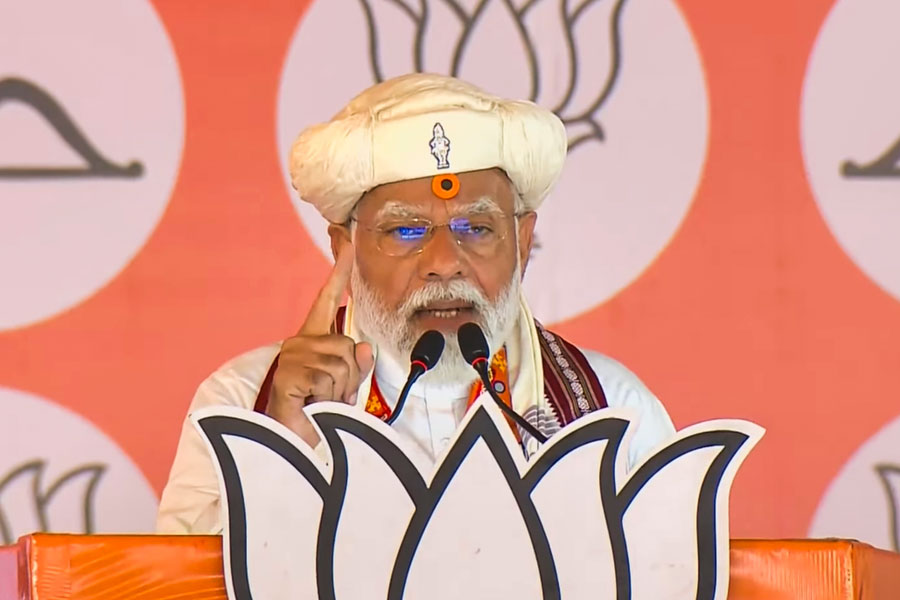
Mr Modi’s remark, however, reiterates an adage: that politics is shorn of permanent friends or foes. Yesterday’s patron — industrialist or otherwise — could well be today’s antagonist
THE EDITORIAL BOARD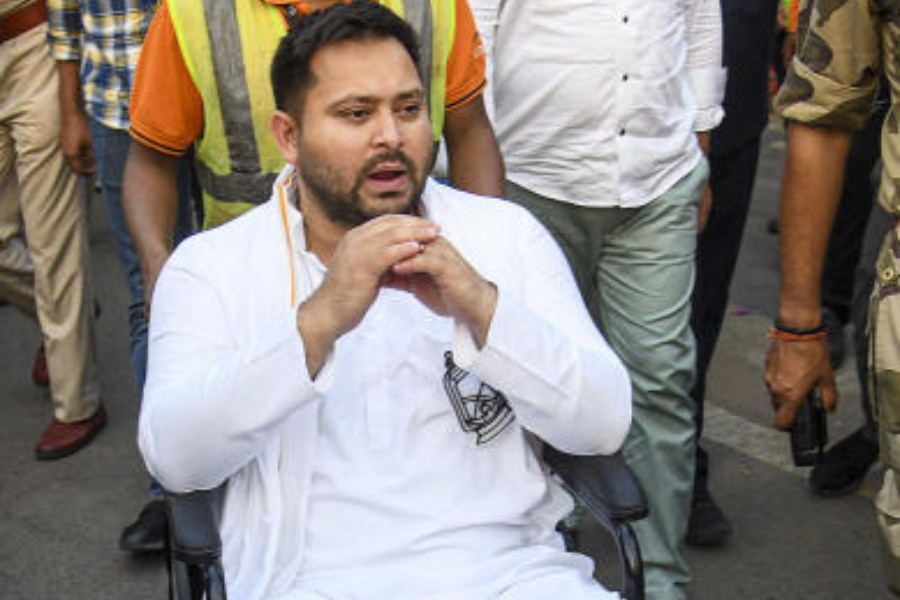












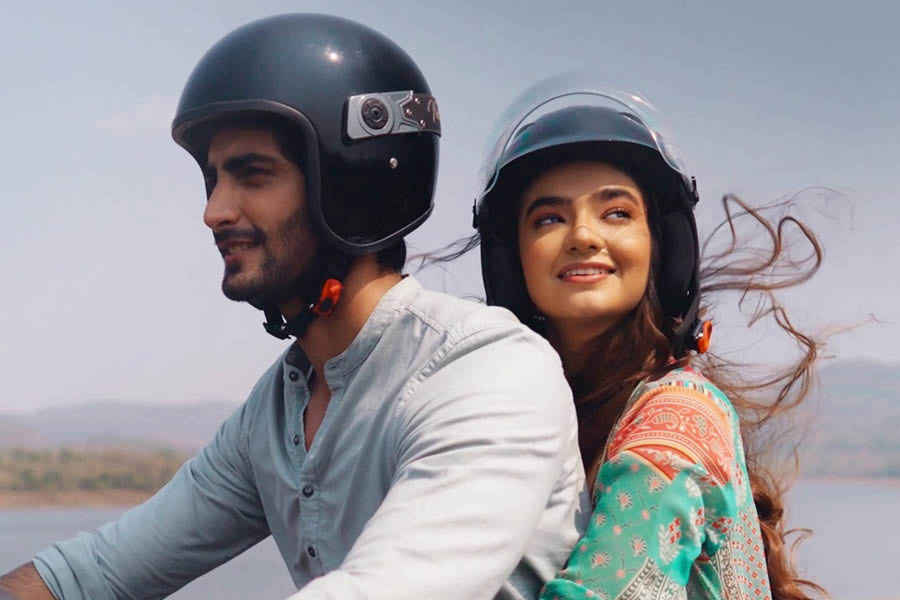
Adapted from Andaleeb Wajid’s 2016 novel Asmara’s Summer, the series is directed by Debbie Rao and stars Anushka Sen in the lead role