The Telegraph
 
 
IN TODAY'S PAPER
WEEKLY FEATURES
CITY NEWSLINES
FEEDS
  RSS
  My Yahoo!
SEARCH
 
Archives Web
 
ARCHIVES
Since 1st March, 1999
 
THE TELEGRAPH
 
 
Email This Page
American influenza
US recession fear slaughters Indian shares, shaves 1400 off sensex

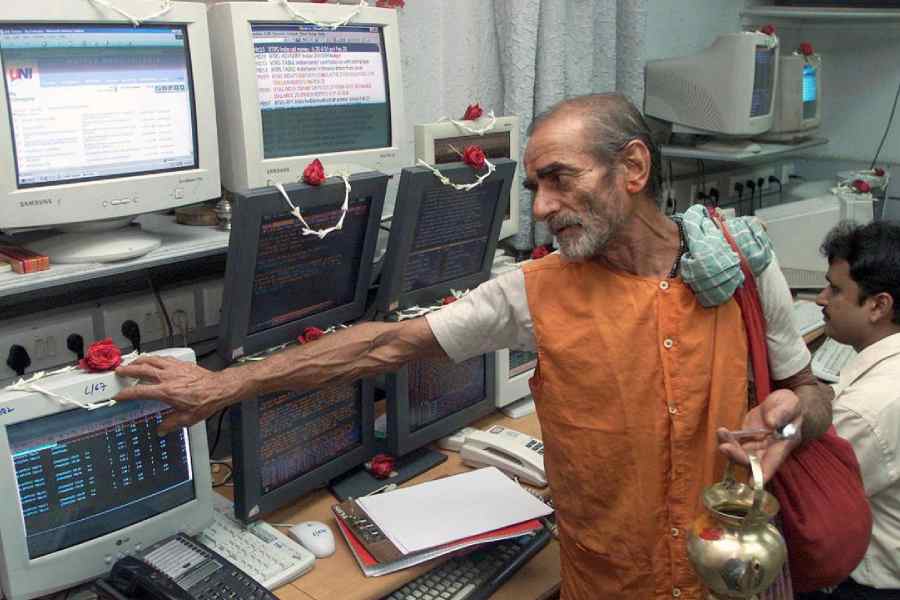
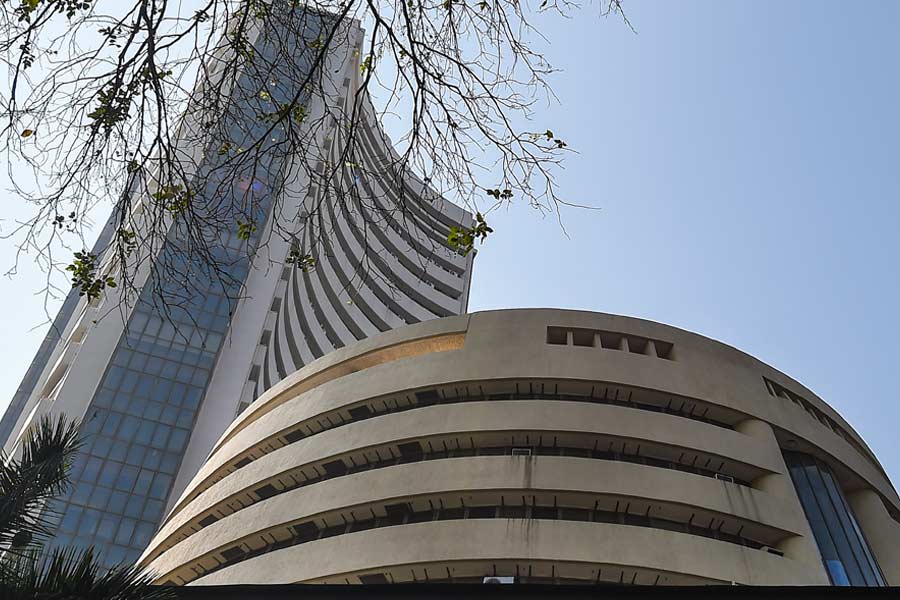
Mumbai, Jan. 21: Stocks swooned and investors despaired as the sensex tumbled 2062 points at one stage on the bloodiest day for India’s stock markets.

A brutal tidal wave of selling by foreign investors — triggered by growing fears of a recession in the US — sent the index plummeting to 16,951.50, an intra-day fall of almost 11 per cent.

A slump of such ferocity hasn’t been seen since May 17, 2004, when the market collapsed 17 per cent after the defeat of the Vajpayee government in the elections and statements by the Left on disinvestment.

“There was panic on Dalal Street. Today’s fall was beyond anyone’s wildest imagination,” said Ambareesh Baliga of Karvy Stock Broking.

In just eight trading sessions, the market has swung from euphoria to terror — a wild mood swing that no one could have anticipated when the sensex hit its highest level of 21,206.77 on January 10.

The market had turned weak since then and slid continuously over the past six sessions but no one was prepared for Black Monday.

At the end of a vicious day of trading, the BSE sensex closed at 17,605.35 points — a fall of 1408.35 points, or 7.4 per cent. The carnage wiped out investor wealth of Rs 6,63,975 crore.

A late rally of 653 points raised a glimmer of hope that the worst might be over.

Investors have lost Rs 11,85,285 crore in the past six days, with more than half of the losses coming from today’s session.

The straight road from paradise to perdition spelt panic for retail investors — and Prime Minister Manmohan Singh and finance minister P. Chidambaram stepped in to assuage their fears after blaming the crash on the “continuing uncertainties in the global economy and not any change in the fundamentals of the Indian economy”.

“I would like to assure the public that sustained orderly growth for capital markets is a priority concern for our government,” Singh told reporters in Delhi.

The eight trading sessions since January 20 has seen the index tumble 20 per cent — which is an indication of a bear market, classically defined as a 20 per cent fall between a recent high and a low.

But market mavens believed that there was no real reason to panic. “Investors should see this as an opportunity to enter the equity market and stay invested for a long term,” said Sanjay Sinha, chief investment officer of SBI Mutual Fund.

Besides global cues, the selloff was triggered by a technical factor: margin calls. This is a demand for cash that brokers send out to investors when the value of shares that were bought using borrowed money start to lose worth.

During a sudden crash, brokers ask such clients to either deposit more money or sell some of the securities in their account. Brokers said that with many investors unable to deposit the money, shares were sold — and that had a domino effect on stocks.

Some pundits like Baliga expect the market to remain volatile. “Though current valuations look decent, there could be more pain in store. But one does not know where the bottom is. Investors can look to make selective purchases at the current levels,” he added.

Not everyone was as pessimistic. “The market will settle down in a day or two,” said Vallabh Bhansali, chairman of Enam Securities.

SENSEX SENSE

Why did the sensex fall?

Growing fears of recession in the US made FIIs — the most influential players in Indian markets — to sell stocks.

This drove prices down

Will the fall continue?

The jury is still out. The653-point recovery from the day’s low has raised hopesthat the market will stabilise. But it is a bear market now, which means sellers arecalling the shots

Who are thebiggest losers?

Metal, oil and gas, power,realty and sugar stocks. Atone stage, over 1,300 stocks hit the lower circuit filter, which automatically halts trades for a while

Has anyone benefited?

Short sellers. They sellshares they don’t have on theexpectation that the prices will go down. If they call the trend right, they buy the cheaper shares and deliver them at higher prices fixed earlier

Is this the right time to buy stocks?

Value investors alwayssee slumps as buyingopportunities

What should the small investor do?

Stay out of this volatile market. If you want to buy on theassumption that prices won’t dip any more, stick to thefrontline stocks, say experts

What about mutual funds?

Mutual funds expect to rideout the storm. Fund managers are advising retail investors not to panic and press forredemptions yet

Will the crash have any impact on the economy?

Chidambaram doesn’t think so. But a big wobble will hurt investors — and put the government and its agencies under scrutiny

Top
Email This Page