|
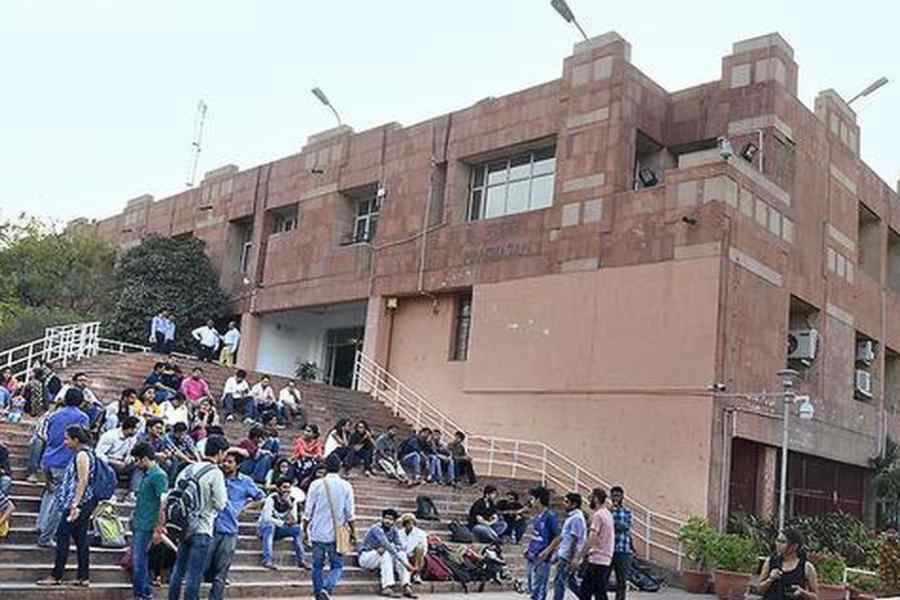
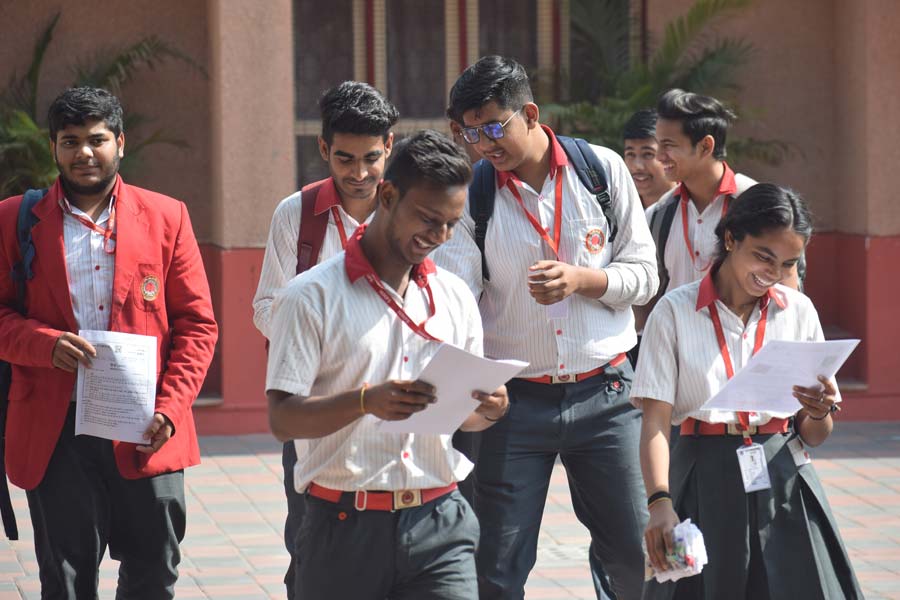
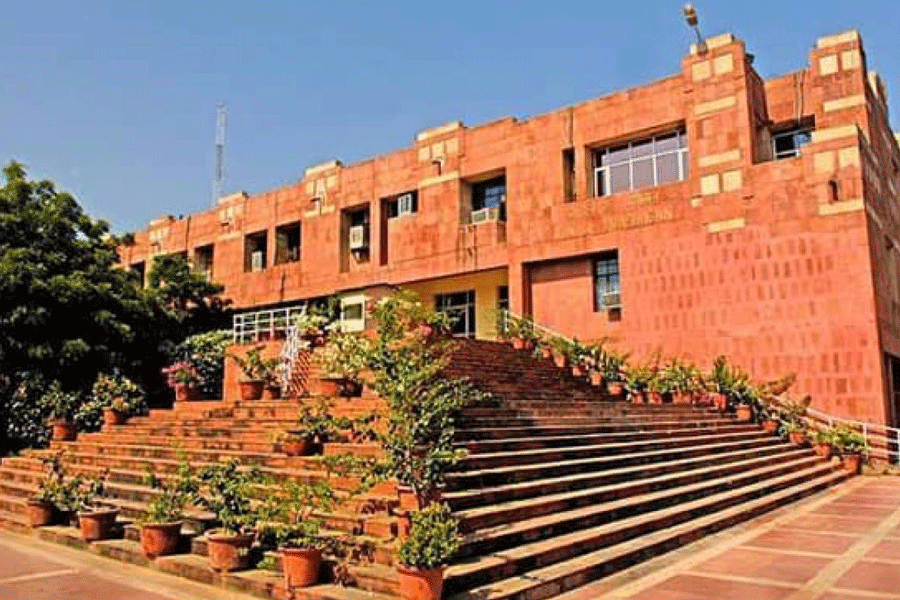
| Students of Bengal Engineering and Science College at Shibpur (top) can now do a summer programme at Queen’s University, Belfast |
 |
Students in select departments of the Bengal Engineering and Science University (BESU) in Shibpur, possibly the oldest engineering institute in the country, will now get a chance to visit the United Kingdom on a student exchange programme. BESU has tied up with Queen’s University in Belfast to give its students the opportunity to do summer courses in the Institute of Electronics, Communications and Information Technology (ECIT), a world-class research centre at the university in Ireland. Twenty successful students will travel to Belfast next summer on the Electronic Engineers’ Welcome Scheme (EEWS), a scholarship programme.
Queen’s University Belfast is a research-driven university with a world-class research and education portfolio. It is a member of the Russell Group of top 20 research-intensive universities in the United Kingdom (equivalent to the United States Ivy League). Its annual budget is a whopping $460 million and, as of now, Queen’s has 17,500 students from more than 80 countries.
The excitement this tie-up has generated among students at BESU is palpable. “This collaboration is a great honour for our university, it brings us a step closer towards BESU’s recognition as a top class institute. The scholarship will help our students showcase their talent at a world-renowned university like Queen’s,” gushes Atrish Mukherjee, a final year student of electronics and telecommunications engineering at Shibpur.
Students who win the coveted scholarship will attend Queen’s University for a period of 10 days, from June 15, 2008. Under the EEWS scheme, each student will receive a grant of £600 that will cover tuition fees, accommodation and meals at the university and other activities.
Some of the things the students will do include working on projects using live data and real applications and undertaking mini-projects with specialist researchers. Apart from academics, they will also engage in a range of cultural and social activities. The EEWS programme will also enable students take an informed decision about their postgraduate career.
So, what does Queen’s stand to gain apart from new students? The university hopes that it would be providing its industry with world class technologists. “Industry and the business world are looking for scientists who have transnational experience. By collaborating with BESU, we will be able to provide better quality graduates,” says Kevin Mulhern, head of communications, Queen’s University. Mulhern feels this tie-up has many likely benefits for both the universities. “Both universities have strengths that complement each other in the areas of electronics, communications and information technology,” he says.
“Queen’s is one of the top universities in the UK. Our students will rub shoulders with some of the best brains from around the world there and I am sure they will treasure that experience for the rest of their life,” says a faculty member of the electronics and telecommunications department of BESU.
“Despite being a top engineering institute, BESU is not as well known outside India as our other engineering colleges. I hope this scholarship programme will help in changing that,” says Jaydeep Saha, a BE computer science student at BESU.
To be eligible for the EEWS scholarship, students must be scheduled to complete their second year of undergraduate study before the summer programme commences in June 2008 and should be doing their graduation in electronic engineering, electrical engineering, computer science or IT.
The engineering schools at Queen’s University rank very high in The Times Higher Education League Table, the definitive guide to top institutes in the UK. That is the reason Bhaskar Sengupta, now a faculty member of the Queen’s School of Planning, Architecture and Civil Engineering, joined the institute. “Its rank in The Times Higher Education League Table convinced me to join Queen’s. The university consistently performs well in UK-wide teaching assessments, which I believe is due to its innovative teaching methods,” he says.
Lakshmi Kannan, an MSc student, agrees. “The quality of teaching, the faculty and the library facilities are really great. The academic atmosphere at Queen’s helps me stay motivated. I also enjoy the compactness of Belfast and the warmth of its people,” she says. Kannan feels that researchers from India are sure to find the experience enriching.
Queen’s University’s interest in forging ties with Indian institutes is because it recognises India’s strength as a research centre. Its tie-up with BESU is a broad-based programme of research partnerships with particular emphasis on electronic engineering, information and communication technologies and environmental engineering linked to water supply. The partnership features split-site study programmes and staff exchanges.
Queen’s has also signed a research agreement with the Delhi-based National Institute of Immunology. This partnership is in the field of biomedical sciences associated with cancer research and cell biology and experimental medicine.
It is also collaborating with the University of Hyderabad in the fields of literature, language and translation. As part of the co-operation, the universities are involved in staff exchanges and student exchanges at undergraduate and postgraduate levels. |