Monday, 13 May 2024
Monday, 13 May 2024
Monday, 13 May 2024








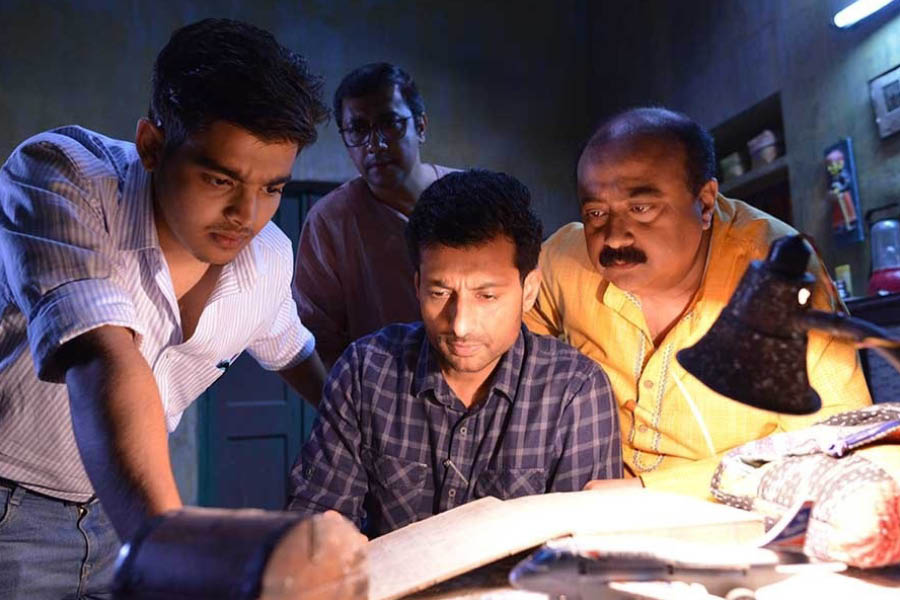
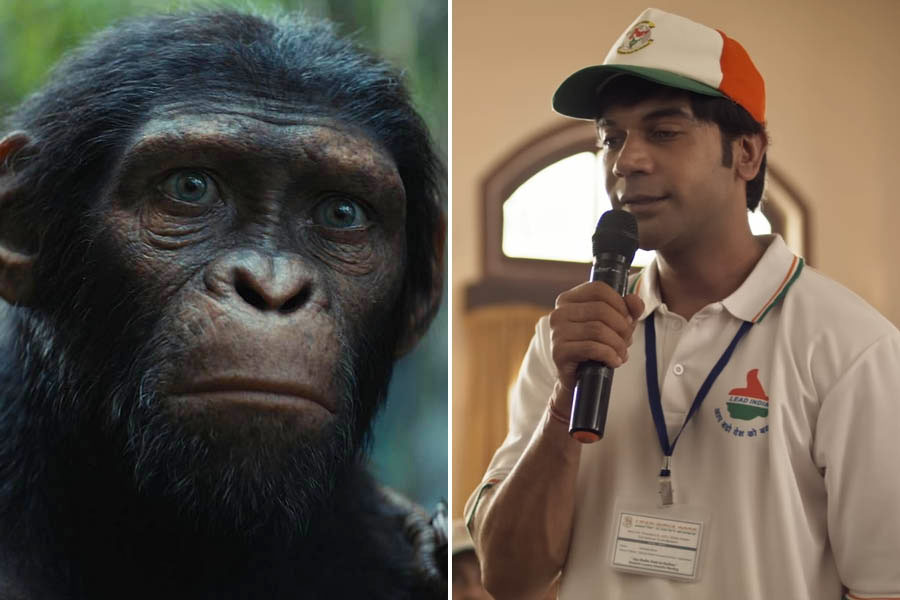
Celebrate Mother’s Day with Sandip Ray’s latest Feluda film, ‘Nayan Rahasya’
Surprise your mom with a long drive to Kolaghat with a scenic stop at Deulti
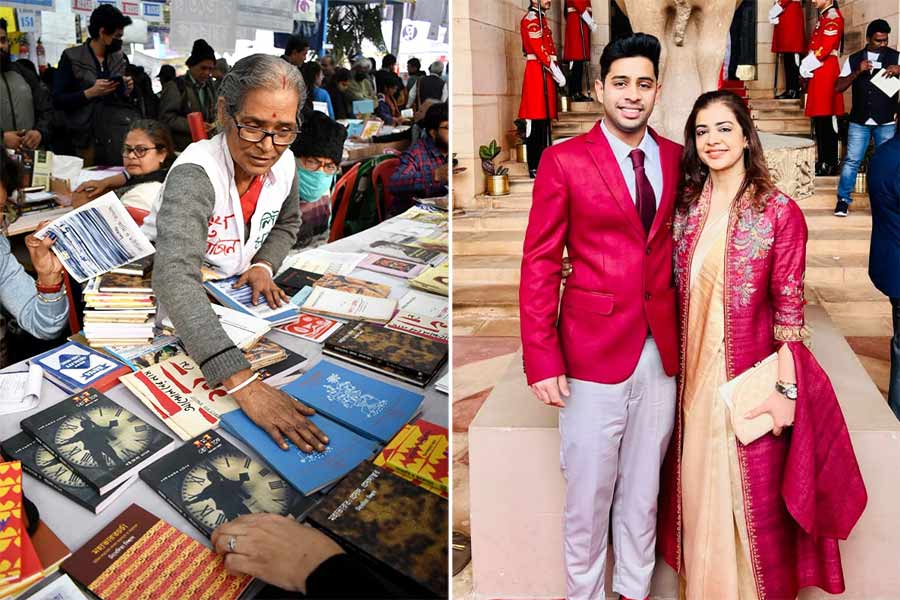
Gift the unconditional nurturer a very special book on Mother’s Day
Treat your mom to some awesome food at Boo-Tang on Camac Street
Pamper your mom by making a sumptuous breakfast at home
Learning from the past involves seeing the interaction between deep structures and processes, on the one hand, and among contingency, conjuncture, collective will and individual leadership on the other
TIMOTHY GARTON ASH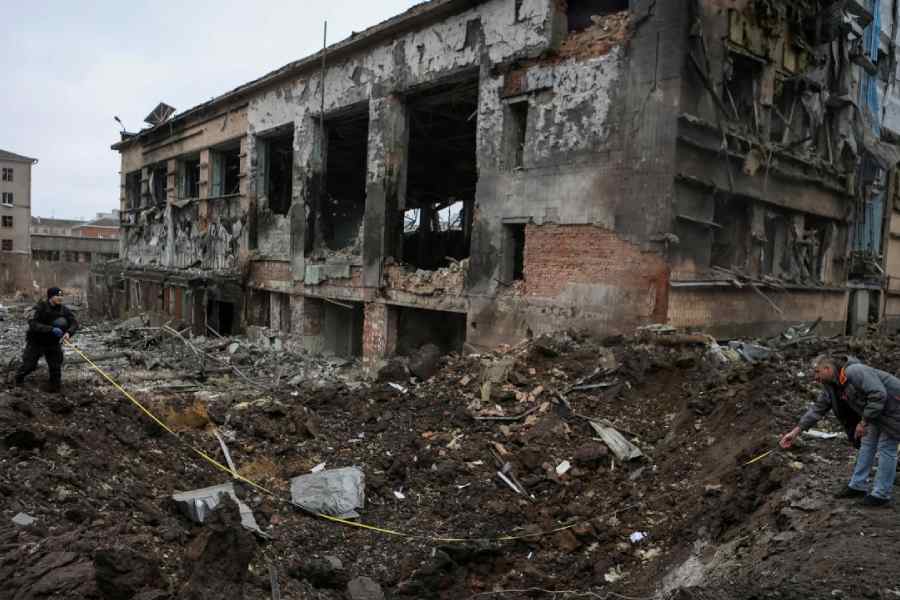

An FTA with the United Kingdom is in the works; once implemented, the UK-India FTA will be the first such free trade agreement that India would have with a major Western power
PRANAY SHOME
The bigotry that the Congress used as a touch paper in 1984 had to be, therefore, a form of Hindu communalism, born in part out of a resentment of Sikh secessionism and militancy
MUKUL KESAVAN
Things are often aggravated in the hills. The seven-phase Lok Sabha election heightens the drama with ominous warnings that Sikkim might one day acquire a Bihari or Marwari chief minister
SUNANDA K. DATTA-RAY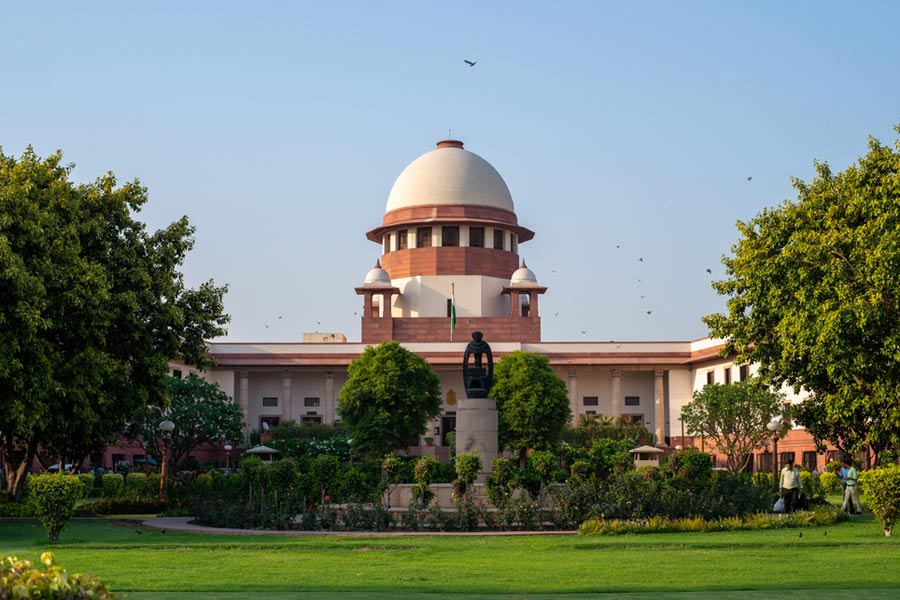
The bench even admonished counsel for bringing up the name of the former judge of Calcutta HC, Abhijit Gangopadhyay, who is now the Bharatiya Janata Party's LS candidate from Tamluk
THE EDITORIAL BOARD












Touted as the veteran Japanese filmmaker’s final Studio Ghibli project, The Boy and the Heron bagged the Best Animated Feature award at the 96th Oscars