|
Mumbai, Nov. 18: Senior citizens, who have been quaking at the prospect of huge medical bills, can take heart: the premium on their health insurance plans will soon head downwards.
The Insurance Regulatory and Development Authority (IRDA) is looking at ways to ease the pain of paying high premia on health insurance plans for people in their twilight years.
The regulator has formed a senior citizen health insurance committee, headed by former chairman of the National Housing Bank K.S. Shastri. The panel is expected to recommend certain essential adjustments in the health premia.
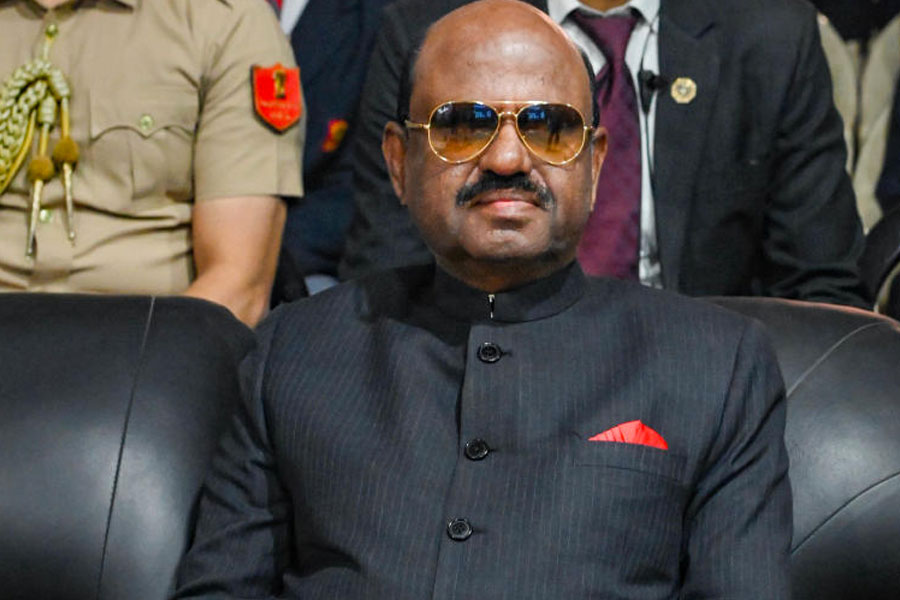
The committee will submit its recommendations to us by November 23. Depending on the volume of the insured in health policies, the premia will be adjusted, IRDA chairman C.S. Rao told The Telegraph.
Rao said there were only about 2 million policies held by senior citizens. We will have to look at the claims ratio in this age group, which is very high, he added.
We want to accelerate the growth of health insurance policies. We have asked the health ministry to press for separate amendments for health insurance in the Insurance Act. Health insurance is administered under the general insurance amendments at present, Rao added.
Risk-based premium
The regulator is considering the possibility of introducing risk-based premium rates in health insurance policies for the senior age group.
The premium rates will vary depending on the age and place where the policyholder belongs to. For instance, the costs of treatment will vary between two cities like Calcutta and Mumbai, said a senior IRDA official who did not wish to be named.
The committee members have conducted a survey across various cities in the country where senior citizens have lobbied for a 200 per cent tax deduction on the health insurance premia. These recommendations have to be accepted by the regulator and the government before they can be implemented, the IRDA official added.
Tax relief
Under section 80D of the Income-Tax Act, a citizen at 65 or above can claim a tax deduction on mediclaim premium up to Rs 20,000. This means that if a senior citizen buys a health insurance cover with a premium of Rs 20,000, he or she can deduct Rs 20,000 before arriving at the taxable income.
Sources said the idea was to allow for a 200 per cent deduction: on a premium of Rs 25,000, assuming that the full benefit is utilised, the tax deduction on income will be Rs 50,000. However, the finance ministry may baulk at such a proposal.
Sources added that the recommendations might also see an increase in the maximum sum assured by health policies to the senior citizens.
Sum assured
The committee is looking at devising covers starting with a sum assured of Rs 1 lakh and going up to Rs 5 lakh. We want to ensure that this age group gets adequate cover for their minimum health needs, said an official.
We are introducing disease-specific health products where the premia are already low. However, if the regulator decides to cut the rates, it should be done in such a manner that the policy remains economically viable for both the insurer and the insured, said M. Ramadoss, chairman and managing director of The Oriental Insurance Company.
Health insurers such as New India Assurance and National Insurance have designed senior citizen health covers where the sum assured is Rs 1 lakh or Rs 1.5 lakh.
Treatment costs
However, given the increasing health costs and the cost of treatments for ailments that afflict the aged, consumer groups feel that this cover is not enough.
Health insurance premia have risen sharply since de-tariffing began. This was largely because of the end to the regime of cross subsidisation. For instance, when an insurance company offered a corporate client a fire insurance product, the company would often demand a health cover for its employees at a subsidised price. Insurance companies would make up for this subsidy with the premia they charged on the fire cover.
But after de-tariffing, it was becoming unviable for insurance companies to continue offering cheap health products. It left them with only one option: to hike health insurance premia. The burden on the senior citizens just grew.
Lately, insurance companies have either been refusing to renew existing covers or are loading the existing premia with additional charges of 100 to 400 per cent on a case-to-case basis. Agents have also been discouraged from writing this business as companies have reduced commission from renewal and new policies for the age of 55 and above.
|