TT Epaper LHS
The Telegraph
TT Mobile
 
 
IN TODAY'S PAPER
WEEKLY FEATURES
CITY NEWSLINES
FEEDS
  RSS
  My Yahoo!
SEARCH
 
Archives Web
 
ARCHIVES
Since 1st March, 1999
 
THE TELEGRAPH
 
CIMA Gallary
 
Email This Page
Pentagon asks for compatibility pact

New Delhi, Oct. 23: The Pentagon wants Delhi to sign a pact guaranteeing secrecy and consensual use of US-made aircraft and communications systems before they are sold for use by India’s armed forces.

The pact is designed to certify that the equipment are “inter-operable” — that is they can be used by the two forces in joint operations.

The pact, called Cismoa (Communication Interoperability and Security Memorandum of Agreement), will govern all current and future transfers of intelligent systems to India.

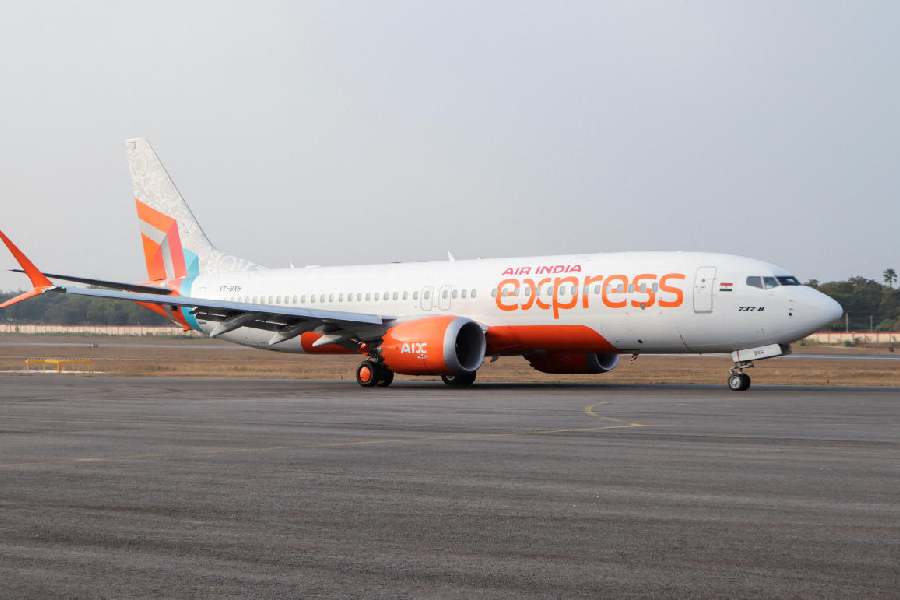
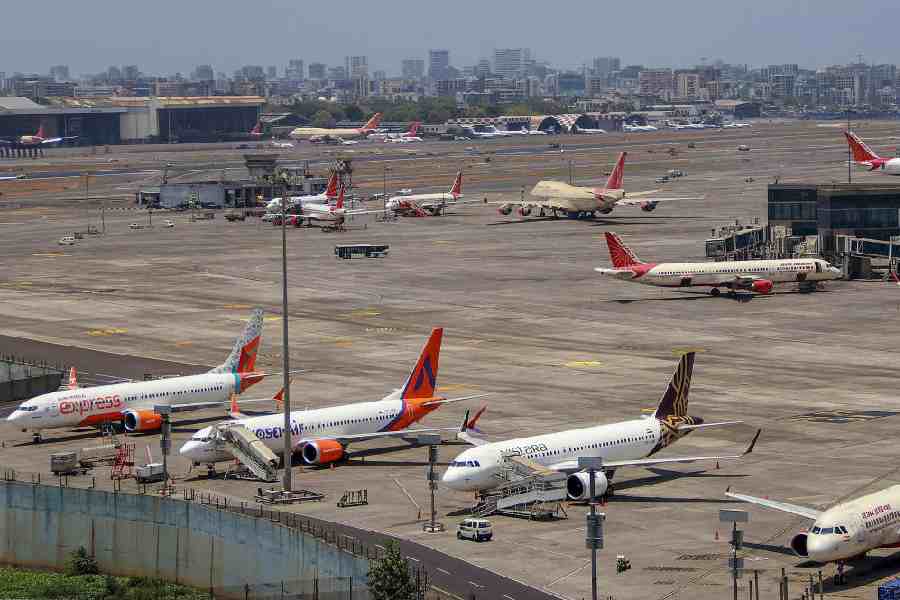
It has an immediate bearing on a proposed $1-billion sale of six Lockheed Martin-produced C130 Juliet 30 aircraft that enters the final stages of negotiations next week.

The Indian government has been as silent on Cismoa as it has been on a Logistics Support Agreement (LSA) that is currently pending with the cabinet committee on security. The LSA has been vetted by the headquarters of the army, the navy and the air force and moved up to the cabinet committee.

The Left has already opposed the LSA that the US proposed to India two years ago. The LSA that has been drafted for India is loosely modelled on the ACSA — an Access and Control Support Agreement — that the US has with about 60 countries.

The LSA for India is designed to give Indian and US ships and aircraft access to each others’ facilities (such as ports and airfields) for refuelling and refurbishment through a barter system.

But the Left suspects that the LSA will give US warships and aircraft unfettered access to Indian military installations and turn India into, in Prakash Karat’s words, a “subordinate ally”. The LSA has been pending with the cabinet committee for more than six months and the Centre is unwilling to decide upon it because of its potential for raising a political furore.

Unlike the LSA that was proposed by the US Defence Security Cooperation Agency, Cismoa is the concern of the US Pacific Commander in Chief. India falls in the US Pacific Command’s area of responsibility. The commander has to certify that equipment that will be used for information gathering and dissemination can also be used — “interoperable” — by US forces.

In military jargon, such equipment are called C4ISR — Command, Control, Communication, Computers, Intelligence, Surveillance and Reconnaissance — platforms. They are essential in the “network-centric” mode that Indian armed forces are seeking to get into. They allow for voice, data and visual communication between command headquarters to strike groups in a battlefield.

In the short term, India will be required to sign Cismoa, or a similar Infosec (information security) agreement to acquire six C-130J Juliet 30, the latest variant of the cargo and personnel-carrying aircraft that is the workhorse of the US military in Iraq and Afghanistan.

Cismoa will also have to be signed if India decides to go in for the F-16 Fighting Falcon or the F/A 18-E/F Super Hornets.

Top
Email This Page
 
 
Biz2Credit Bizsense