|
David Finchers magnificently obsessive new film, Zodiac, tracks the story of the serial killer who left dead bodies up and down California in the 1960s and possibly the 70s, and that of the men who tried to stop him. The film is at once sprawling and tightly constructed, opaque and meticulously detailed. Its part police procedural, part monster movie, a funereal entertainment that is an unexpected repudiation of Finchers most famous movie, the serial-killer fiction Se7en, as well as a testament to this cinematic savants gifts.
Informed by history and steeped in pulp fiction, Zodiac stars a trio of beauties — Jake Gyllenhaal, Robert Downey Jr. and Mark Ruffalo — all at the top of their performance game and captured in out-of-sight high-definition digital by the cinematographer Harris Savides. Gyllenhaal is the sneaky star of the show as the real-life cartoonist turned writer Robert Graysmith, though he doesnt emerge from the wings until fairly late, after the bodies and the investigations have cooled. A silky, seductive Downey plays Paul Avery, a showboating newspaper reporter who chased the killer in print, while Ruffalo struts his estimable stuff as Dave Toschi, the San Francisco police detective who taught Steve McQueen how to wear a gun in Bullitt and pursued Zodiac close to the ground.
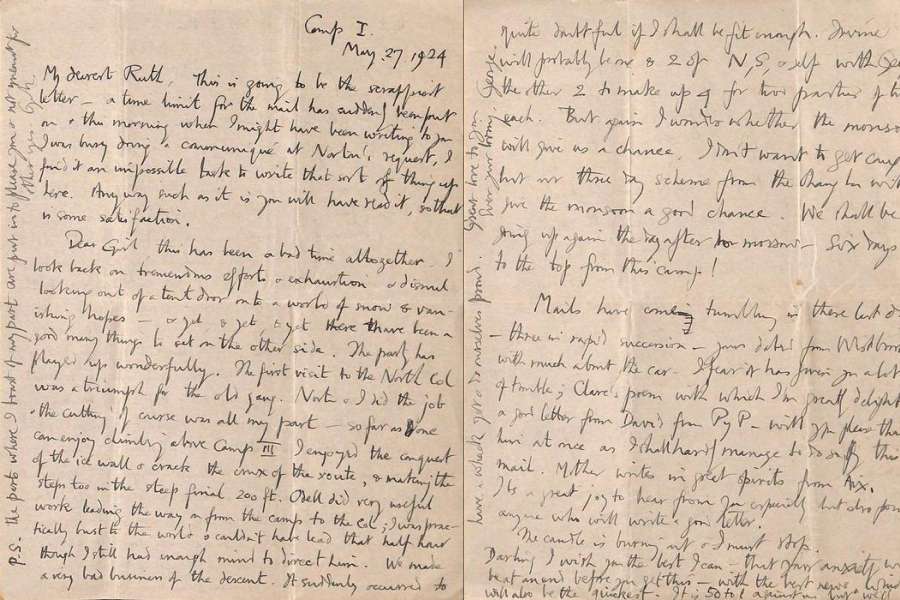
The relative unknown James Vanderbilt wrote the jigsaw-puzzle screenplay, working from Graysmiths exhaustive, exhausting true-crime accounts of the murders and their investigations, Zodiac and Zodiac Unmasked. Graysmith, coyly played by Gyllenhaal as something of an overgrown Hardy Boy, his great big eyes matched by his great big ambition, was a political cartoonist doodling Nixon noses at The San Francisco Chronicle when Zodiac started sending letters and ciphers to the paper, divulging intimate knowledge of the crimes. The first cipher stumped an alphabet soup of law enforcement agencies, including the C.I.A. and F.B.I., but was cracked by a California schoolteacher and his wife. The decoded cipher opened with an ominous and crudely effective flourish: I like killing people because it is so much fun it is more fun than killing wild game in the forrest because man is the most dangeroue anamal.
The letters, the misspellings and the lax punctuation kept coming, and perhaps so did the murders, though only five were substantively linked to him. A publicity hound, Zodiac claimed responsibility for murders he might not have committed, a habit that added to a boogeyman mystery and myth that chroniclers of his crimes have exploited.
Fincher made his name with Se7en, a thriller in which the grotesquely mutilated bodies of murder victims are nothing more than lovingly designed props. Although more than capable of adding to the exploitation annals, he is up to something profoundly different in this film, which opens with the shooting of two people parked in a lovers lane at night, an attack that is soon followed by a squirmingly visceral knife assault on a couple during a daytime idyll. By front-loading the violence, Fincher instantly makes it clear just what kind of murderer this was — one who liked to get his hands wet — and ensures that the murders dont become the storys payoff.
 |
The story structure is as intricate as the storytelling is seamless, with multiple time-and-place interludes. Graysmith takes on Zodiac alone, warming up the stone-cold case. Domestic tranquillity, it seems, cant hold a candle to work, to the fanatical pursuit of meaning and self-discovery, to finding out what makes you and the world tick — which is why, while Zodiac contains multitudes (genres, jokes, nods at 1970s New Hollywood), it feels like Finchers most personal film to date.
Maybe thats why it doesnt have the usual movie-made shrink- rapping and beard-stroking, as in Mommy was a castrating shrew and Daddy used a two-by-four as a paddle. Throughout the film Fincher and company keep focus on Zodiacs crimes, on the nuts and bolts of his deeds, rather than on the nurture and nature behind them. There is no normalising psychology here, and no deep-dish symbolism either, maybe because the title crazy is so peculiarly fond of symbols, which he sprinkles in his missives and, for one murder, wears superhero style on a black-hooded costume that makes him look like a portly ninja in a Z-movie quickie. Its no wonder the victims dont see the threat behind the masquerade until its too late.
Psychology isnt Finchers bag; he isnt interested in what lies and writhes beneath, but what is right there: the visible evidence. And what beautiful evidence it is. His polished technique can leave you slack-jawed, as can his scrupulous attention to detail. There is mystery in this minutiae, and maybe, a touch of madness. Like his detectives and journalists, Fincher seems possessed by the need to recreate reality piece by piece.
Rarely has a film with so much blood on its hands seemed so insistently alive. |