|
Digital media and more recently YouTube has changed piracy, and how we perceive it.
Free access to books, music and cinema is now a reality, albeit a rather illegal one. Download is the not-so-secret password to a whole universe of free material. Not only is it easier to commit piracy (no scurvy, chases on the high seas and bounty on your head) than it used to be, it is difficult to enforce any real penalty on pirate or profiteer (who often doesnt profit at all).
From the humble photocopy to the music we listen to, a pirated version of the original is a cost-effective way to entertain and educate.
As students in a third world country, we could always claim immunity against the charge of academic piracy, says Brinda Roy, who has finished her masters in English literature. Not only are most of the titles we need for research not printed in this country, the imported copies are simply too expensive for cash-strapped students to buy regularly. The lone library copy, she stresses, is never enough for a class of 60. We have no compunctions about Xeroxing books. Im a happy print pirate, even though I still havent recovered from the irony of actually studying copyright infringement from Xeroxes, laughs Brinda.
But pirating is far more than utility it is almost a game now. With days to go before the final Harry Potter hit the shelves on July 21, three versions of The Deathly Hallows which all looked and read very real cropped up on the Internet. None, as it was soon discovered, was authentic. Far more real, however, were the hardbound copies that appeared on pavements days after the original saw the light of day.
 |
|
Will Partner pay for piracy?
|
Popularity, Price & Piracy
It is only the popular stuff that is worth pirating, of course. So when Kaavya Viswanathans How Opal Mehta Got Kissed, Got Wild and Got a Life made it to the headlines for plagiarising Megan McCaffertys Sloppy Firsts and Second Helpings, our local pirates returned the favour by flooding the pavements with counterfeit or contraband copies of Opal.
The question of piracy vexed publishing for India from very early on, not least because the word tended to mean different things to different people. Just as copyright is a bundle of rights, piracy is a bundle of violations, says Rimi B. Chatterjee author and professor at Jadavpur University.
As the idea of authorship becomes more diffused with the interactive nature of the Internet, piracy and copyright infringement have become even more difficult to pin down.
The emergence of new reproduction technologies always problematises issues of authorship and proprietorship. It is not hard to imagine how the invention of the printed book in Gutenbergs time must have alarmed those church fathers who thought they were the sole custodians of the written word. Similarly, unlicensed copying is a logical consequence of the rise of CD and DVD technology, as well as its increasing user-friendliness, says Abhijit Gupta, English professor at Jadavpur University and t2 columnist.
Pirated CDs, DVDs and books have fed a parallel supply-and-demand chain for years. But the tables could be turning.
A huge market with different segments to cater to is what keeps the book business profitable, explains Sidharth Pansari, owner of Crossword Bookstore Calcutta. What has also helped is a reduction of the prices over a period of time, making the differential between the pirated books and regular books much less.
Chetan Arora, controller (east), MusicWorld, agrees. The CD market is actually growing and they now cost about the same as their pirated counterparts. Along with this, we give the assurance of quality which is where both pirated and downloaded material lose out, stresses Arora. Music labels are also stepping up to the challenge, offering MP3 CDs at much lower costs than conventional audio CDs.
But who even needs to buy a CD real or pirated to hear all the hot new songs? Anyone who remembers the controversy over Napster is not new to file-sharing. Peer-to-peer software like Limewire, Kazaa, Bearshare and Torrent are being used to download music not from a site that makes profit but from other users who like the same music as you.
While the click-happy listener would love us to believe this is as innocent as friends hanging out and listening to some tunes, the music industry hit hard by the digital revolution knows better.
So it is trying to innovate, resulting in sites such as Apples iTunes, where you can pay and download legally (though the service is, inexplicably, not available in India). Musicians themselves are trying to remove the barriers and combat piracy by putting up their songs on websites like MySpace to get listeners hooked, and more willing to shell out the bucks.
Brand New Buccaneer
The best thing about being this new brand of buccaneer is that paying for your crimes is a highly unlikely possibility. When the best of Bollywood (see box) are getting away with a kings ransom, whats a tiny heist or two?
Theoretically, of course, you could be made to pay for your crimes. But in reality, the chances are slim. In India, the legal proceedings are still by and large against commercial users who work with pirated software. They are traced through a digital footprint and then raids are carried out and the computers are sealed, explains Ranjan Bachawat, a lawyer who has worked extensively with intellectual property rights. But as far as home users are concerned, a large part of whom are teenagers and students, they remain outside the purview of legal proceedings as it is primarily for personal non-monetary use.
Internationally, cyber laws and convictions are a big deal, the clamp-down having begun. I think in another few years, India will also be well on its way to enforcing such measures even within a domestic set-up, adds Bachawat.
Piracy is only actionable when someone files a complaint or a lawsuit, points out corporate solicitor Shubhodeep Shome. Previously, as India was not an important market for the big media players internationally, no complaints were filed and therefore, no action was taken against pirates. However, with globalisation and Indias rising importance, this is set to change.
There is a growing clamour for open access to everything, to reduce imperialism (that dirty, dirty word), particularly when it comes to information. Efforts such as Wikipedia, the online user-generated encyclopaedia, are steps in this direction. But when profit and loss comes into the picture, creators of information and intellectual property such as a book, music or work of art are frequently less benevolent.
To debate the right and wrong about this issue could take years, and it will. But a small step in the general direction of trying to avoid breaking the law could be in order.
Chances are piracy as we now know it can only be curbed by organised and creative solutions from business, evolving traditional sales and marketing models into new methods which mean cost-saving and convenience for customers.
I believe that this problem does not have a legal solution, says corporate solicitor Shome. In the end the consumer is the king. He will do what he wants, whether it be in the fashion of Captain Hook or by crook.
Diya Kohli
(Are you a new-age pirate? Tell t2@abpmail.com)
COPYCATS
If they got away with it (almost), why can’t we?
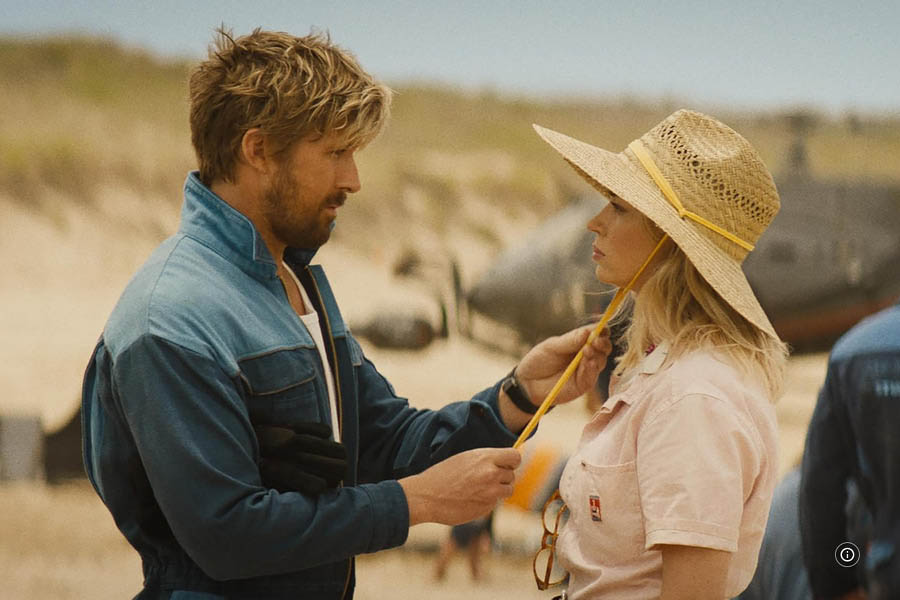
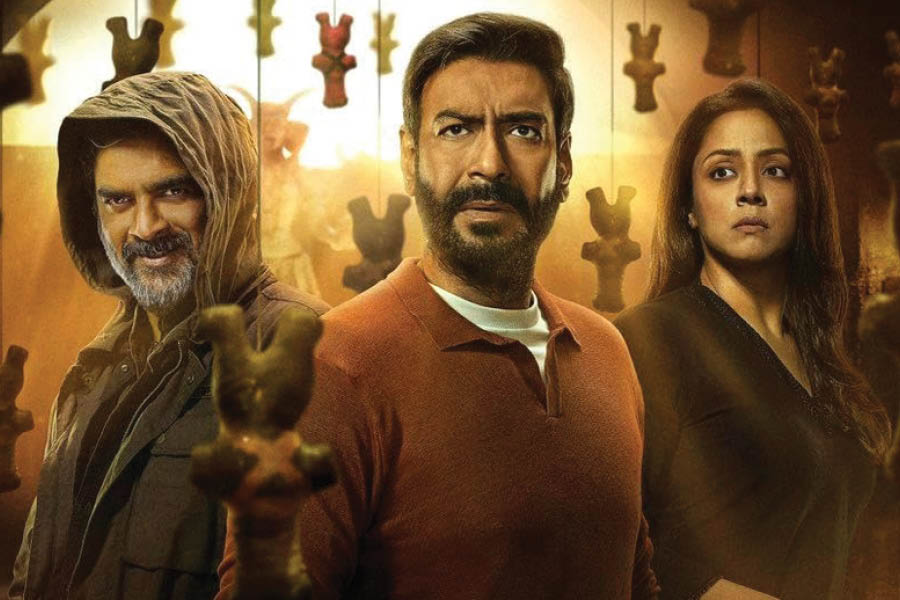
David Dhawans Partner, which is a blatant copy of the Hollywood rom-com Hitch, could be sued by Will Smiths production house Overbrook Entertainment for damages upto $ 30 million
Copyright issues caused Ram Gopal Varma to change the name of his film from Sholay to RGV Ki Aag and his villain from Gabbar to Babban
In 2003, best-selling writer Barbara Taylor Bradford sued Sahara Television for allegedly making a television series (Karishma: A Miracle of Destiny) out of her book (A Woman of Substance) without acquiring the legal rights
George Harrisons My Sweet Lord was sued by The Chiffons for musical similarities with their hit Hes So Fine. The US court ruled in favour of The Chiffons and Harrison had to surrender a majority of the royalties from My Sweet Lord and partial royalties from the album All Things Must Pass
The 2003 Napster controversy led to major legislation against file-sharing software. It started when Metallicas unfinished song I Disappear was distributed over the Napster network
|