|
 |
 |
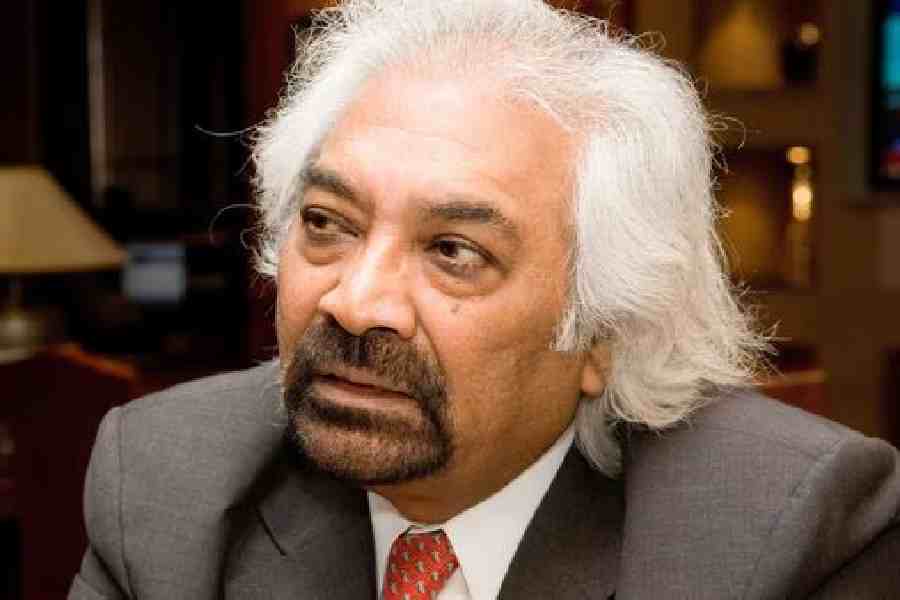
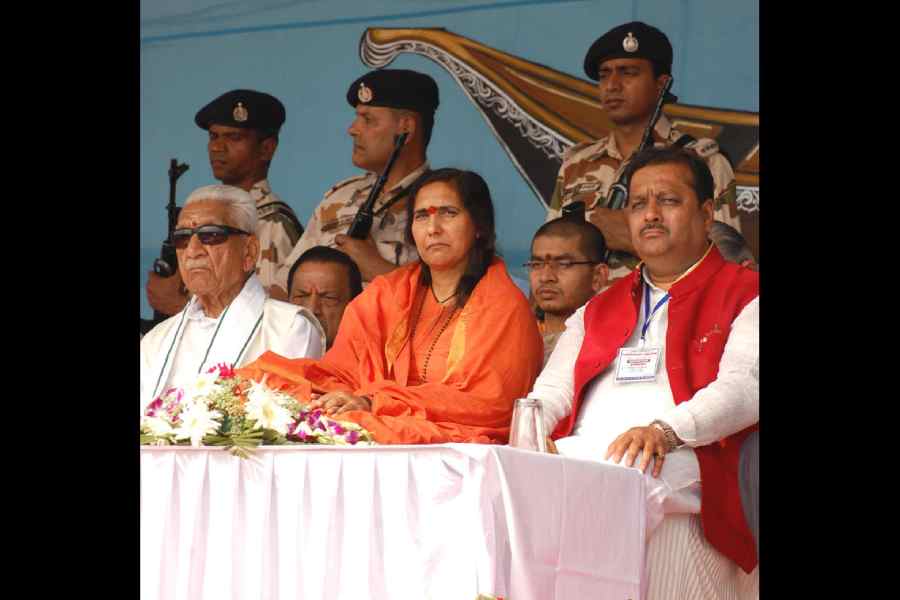
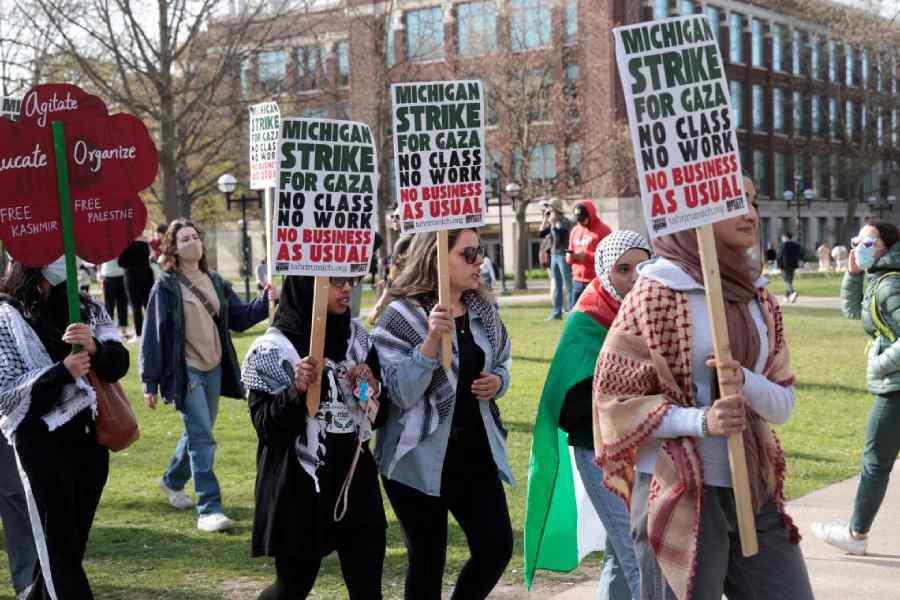
| BIG ISSUE: (From top) HRD minister Arjun Singh, protests over reservations and celebrations after the court verdict |
The Supreme Court has stayed the governments implementation of reservations for the other backward classes (OBCs). Predictably, politicians are in a tizzy. The courts big question: how can census data of 1931 be used to determine policy? Yet, several matters beg an answer. Just how did the government get into this spot and can it come up with new data by August, as the court has directed it to? Secondly, are OBCs really badly off?
At the heart of the controversy is the percentage of OBCs in the population. The government says it is 52 per cent, based on the 1931 census — the last caste-based head count (barring scheduled castes and tribes). It used that to fix the quota of 27 per cent (half of the OBC share in the population). The court, in an earlier ruling, had also capped job reservations at 50 per cent. With quotas for SC/ST already at 22.5 percent, the government couldnt go beyond 27 per cent.
But a National Sample Survey Organisation (NSSO) report on employment and unemployment in 2004-2005 puts the OBC population at 41 per cent, up from 32.4 per cent in 1999-2000. The governments chief statistician and secretary, department of statistics, Pronab Sen, cautions that the increase could be the result of an increased awareness of caste status than an absolute increase in numbers.
Besides, NSSO surveys rely almost entirely on the responses of people surveyed and theres no way of cross-checking claims about OBC status. So getting data on OBCs isnt going to be easy.
Compounding the problem, numerous OBC lists are going around — a Central government list, several state government lists and a Mandal Commission list. The rural development ministrys ongoing census of below poverty line households is expected to throw up OBC data, but this too, says an official, is respondent driven and could pose verification problems.
As to how badly off the OBCs are, the evidence is mixed. On jobs, they are well off, but they lag on education, NSSO data show.
Rural and urban OBC men have the second lowest rate of unemployment, after ST men. In urban India, OBC men have far more jobs than other social groups. However, rural OBC men are not so well off. Unemployment rates among urban OBC men have fallen since 1999-2000 (it is stagnant for rural OBC men), though not by as much for forward castes.
Where OBCs are way behind the forward castes is in education. Only 2.1 per cent of OBCs in rural areas and 8.4 per cent of OBCs in urban India are graduates. The figures for forward castes: 4.5 per cent and 21.1 per cent, respectively.
Does that justify reservations in higher education institutions for OBCs? Not quite, argues Dalit scholar and activist Chandrabhan Prasad. In proportion to their prosperity, OBCs investment in education is limited, he notes. OBCs account for the bulk of the small and medium landholders in rural areas, which is why their share of self-employment is quite high. But whether mere possession of land means greater prosperity is a moot point. Ashwini Deshpande, reader at the Delhi School of Economics, cautions against regarding OBCs as one homogeneous group. There are huge variations, with some groups extremely poor and backward.
Prasad doesnt understand the fuss about reservations for OBCs. They, he argues, have never been socially segregated, which the SCs are even now. OBCs should not demand benefits similar to Dalits when they havent suffered repression like we have, he argues. Deshpande too is in favour of reservations being based on deprivation points. This is the best solution to the graded inequality that Indian society has.
Economist Surjit Bhalla questions the logic of OBC quotas. The OBC deviation from the national average on a range of economic and social indicators, he points out, is too little to justify reservations. Across nations, he says, affirmative action has been used for groups that are vastly below societys average. OBCs arent doing too badly, compared to their share in the population, he insists.
Sorting that out isnt going to be easy. Prasad wonders what the hurry is about. When the OBCs have waited for 55 years, why cant they wait for a year more till the data are updated, he asks, adding, OBC leaders should have patience.
|