Friday, 03 May 2024
Friday, 03 May 2024
Friday, 03 May 2024













Sean Paul & Kes collaborate for the official Anthem of T20 World Cup
This documentary on The Beatles will be seen for the first time in 50 years
The making of ‘Binodini’ through the eyes of Rukmini
Whip up this roasted veggies recipe following chef Shaun Kenworthy
Who could ever imagine ‘Fur Elise’ with ‘Swaram’?
The issue of electoral bonds in India — they have been declared illegal by the Supreme Court — has some parallels with the Super Political Action Committees in the United States
LUV PURI

This is why reading translations of works written in languages other than those one is conversant in is important: it exposes you to ideas you might not have encountered otherwise
RISHI MAJUMDER
Telling the poor to settle for five kilos of ration and allowing cronies to grab five airports make every other form of inequality worse. It will turn India into an insufferably unjust society
PARAKALA PRABHAKAR
Dmitry Medvedev also often sounds crazy: since the beginning of the conflict, Medvedev has been the main source of Russian threats of nuclear war if things don’t go well for Moscow in Ukraine
GWYNNE DYER
There is a case for the minders of the IPL and T20 cricket to not only make the pitches friendlier to bowlers but also amend some of the rules to ensure the league’s longevity
THE EDITORIAL BOARD



















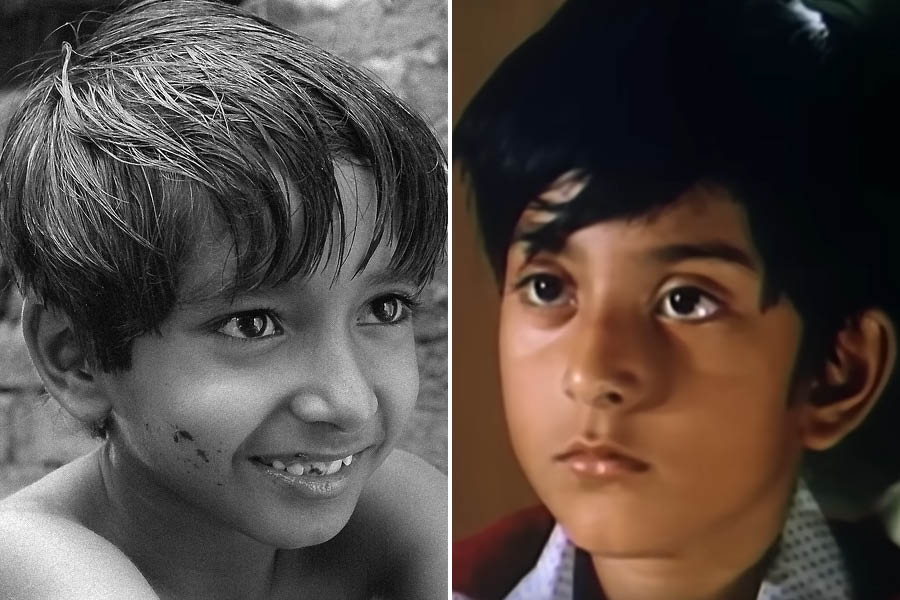
On Satyajit Ray’s birthday, we explore how (in the words of Soumitra Chatterjee) ‘he never lost the curiosity and wonder of a child’