|
|
Scaling the heights
|
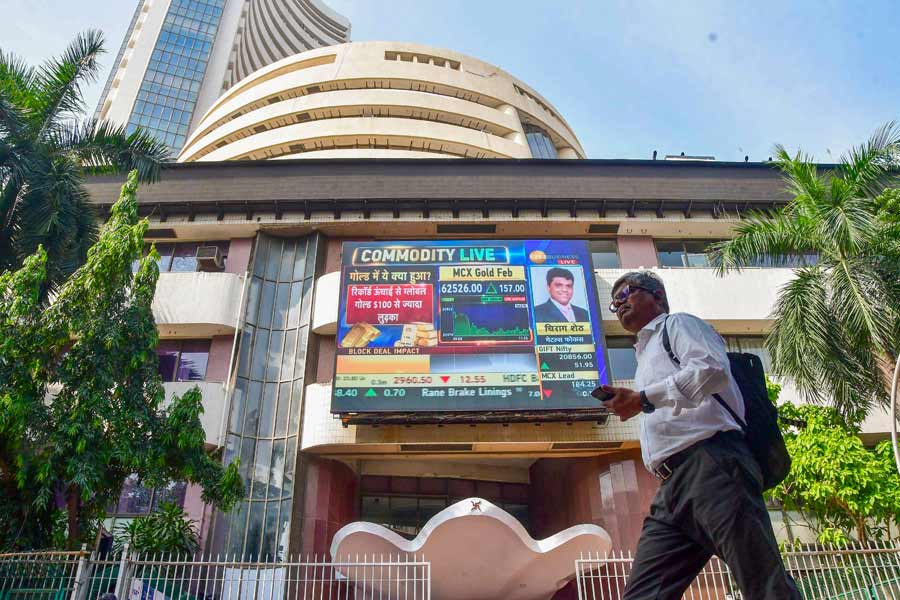
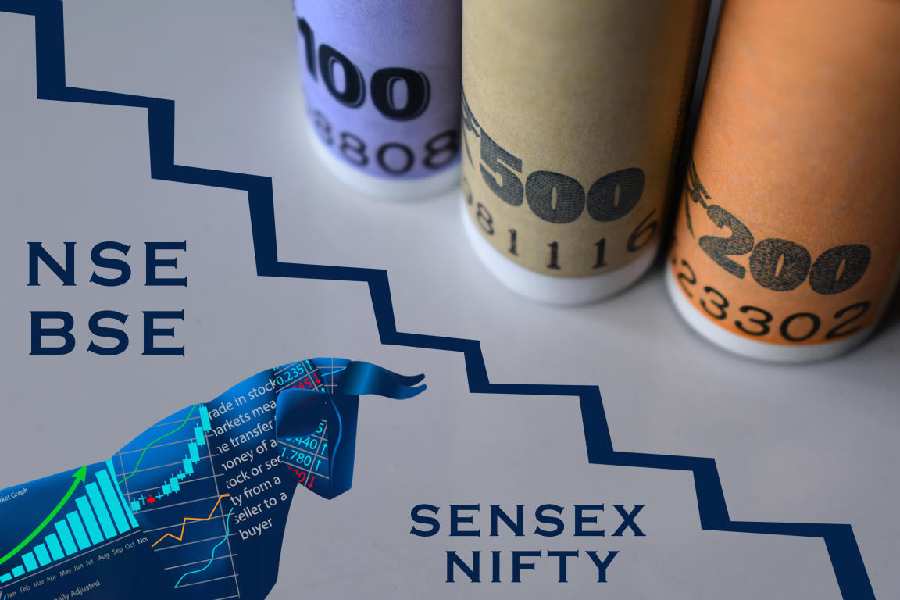
The four-year bull run that has propelled the sensex from 3000 to near 14000 has happened in spite of the dire warnings of disbelievers. Most of them have been foreign brokerages, who have been cautious on the Indian markets ever since the market crossed 7000 or so. Morgan Stanley has been the most bearish of the lot and its only lately that it has grudgingly agreed that the momentum in the economy has taken it by surprise. Others, while being bullish on the economy, have been bearish on earnings growth. Their refrain has been that its impossible for earnings to go up so rapidly year after year and the effect of the higher base will catch up soon. After the stellar performance by India Inc in the second quarter — an analysis by the CII of the second quarter results of 9,076 firms showed that profits after tax increased by 46.9 per cent compared with a rise of 24.2 per cent in the same quarter in 2005 — many of them now agree that earnings growth will be good in the third quarter as well. Data on advance tax payments have strengthened that belief. And finally there are those FIIs, and this includes practically all of them, who have constantly been harping that India is one of the most expensive emerging markets and that Indian stocks are vastly overvalued. The amazing ability of the market to rebound and stay at elevated levels seems to have finally convinced even these doubters.
In a recent report titled India Equity Strategy — Outlook 2007, Citigroup says, The Indian market has two distinct fundamental features currently — high earnings growth and high ROEs. A simple comparison of P/E vs earnings growth or P/B vs ROE across markets ends up ignoring one of those features, not to mention that it does not account for differences in interest rates across economies. Thats why, says the report, Citigroup computes fair value by a Price to Book value implied RoE model. Using this model, Citigroup forecasts that the sensex will be at 11600 by December 2007.
Theres no need to panic, however. Analysts argue that Indian companies also have hidden assets in their balance sheets in the form of new businesses that dont contribute to earnings today but will do so in future. Examples are the insurance businesses of the banks and Reliances new businesses. This embedded value, says Citigroup, will add another 1700 points to the sensex. This new computation of fair value takes the sensex to 13300 by next December. Trouble is, even after adding embedded value, it implies no growth at all in 2007.
So what does Citigroup do? In December 2005, in a report titled India 2006: Safety First, it predicted an 2006-end sensex target of 8500 and said, We believe the Indian market is 30 per cent overvalued currently after another strong year. Our end-2006 sensex target of 8500 is 8 per cent lower than current levels. Obviously, Citigroup doesnt want to repeat that sort of mistake. In its current report, accordingly, it argues that, what is indeed very much possible is for the market to continue trading at a small premium to fair value (or ahead of the fair value by a year or two) due to widespread belief of a long-term structural economic growth story, high global risk appetite, and new sources of fund flows for the market. Our valuation work suggests that precisely such a thing has happened over the last couple of years.
Adding this small premium, the report then sets a December 2007 sensex target of 14700-16000 — a decent upside from current levels. The bull run has convinced many that this time its different. Citigroup is the latest convert.
|