TT Epaper LHS
The Telegraph
TT Mobile
 
 
IN TODAY'S PAPER
WEEKLY FEATURES
CITY NEWSLINES
FEEDS
  RSS
  My Yahoo!
SEARCH
 
Archives Web
 
ARCHIVES
Since 1st March, 1999
 
THE TELEGRAPH
 
CIMA Gallary
 
Email This Page
Stressed out Combating exam stress

March 2004, Samir Mandal, 18, hanged himself in the bedroom of his Garbeta home, distraught over having written a very bad English paper in his HS exam.

February 2005, Sunita Saha (name changed), a 16-year-old Behala resident, consumed an overdose of sleeping pills after her mother scolded her for neglecting her studies. Luckily, she survived.

January 2006, 17-year-old Anirban Dutta of Burdwan committed suicide after an argument with his parents over missing tuition classes. Anirban was due to appear for the Higher Secondary exam this year.

None of the three would have taken this extreme step if exam stress had not impaired their judgement. Samir and Anirban could have been saved if they had got professional help. All victims of examination stress exhibit symptoms which make it easy to recognise them.

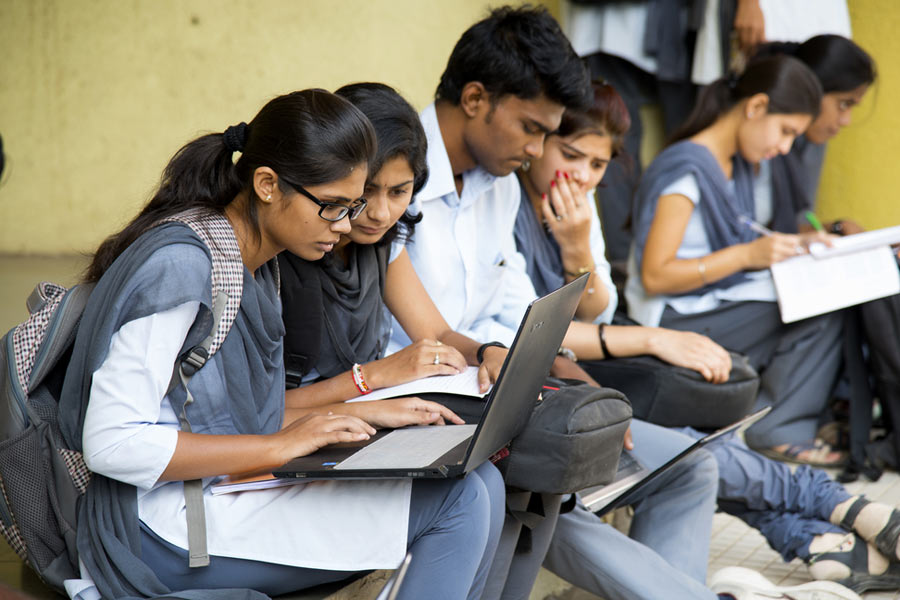
Souvik Roy, a 21-year-old engineering graduate who took the Common Admission Test (CAT) this year, lost sleep as well as his appetite as the exam date neared. “My blood pressure also shot up,” says Roy. “Luckily for me, I had to answer just one test.”

Now that the CAT is over, his pressure is back to normal, so are his sleeping habits. But others are not so lucky. Swati Gopalan, a 22-year-old graduate, has still to give five entrance exams and frequently has sleepless nights. She also complains that she is finding it difficult to remember all that she has studied. And she is probably not the only one.

The CAT, conducted by the Indian Institutes of Management (IIMs), is the harbinger of tests to come till April. The exam year kicks off with the Secondary School Certificate Examination, then come the Higher Secondary examinations, followed by the entrance exams for engineering institutes, pre-medical tests and college admission tests. More than 50 competitive examinations will take place in the coming months. Since these exams will determine the future of students, some stress is normal, feel education experts.

An exam that will decide their whole future in a matter of two to three hours would naturally cause a lot of stress to students,” says Naveen Saraff, general manager (east), IMS Learning Resources — a training centre for CAT aspirants.

Ahana Chakraborty, head of the department of education at Shyamaprasad College, Calcutta, feels that fear of failure brings on stress in students. Brother Brendan McCarthaigh, founder of Students Empowerment, Rights and Vision through Education (SERVE), a Calcutta-based NGO, believes that since social security is non-existent in India, flunking exams is not taken lightly. “It is taken even more seriously in West Bengal, where doing well in examinations is often a prestige issue with parents,” he says. Students are not the only ones — parents who are ambitious for their children feel the stress equally.

Chakraborty, who also works as a counsellor, says, “They (parents) behave as if they are the ones appearing for exams,” she says, adding that such parental expectations can wreak havoc on a youngster if he or she is not emotionally strong.

The school boards are finally waking up to the stress faced by students taking their board exams. This year, the Central Board of Secondary Examination introduced a helpline that counselled students with exam anxiety. McCarthaigh says that, on an average, five students visit him every fortnight to talk about their exam anxiety. But very few students actually turn to professionals for help as they think exam stress is a problem they can deal with themselves.

Preparation is the best way to beat exam stress. Sitting for mock exams helps students handle exam fear. Time management is also of utmost importance. Bad time management will lead to studies piling up and undue stress.

According to experts, taking breaks will recharge the grey cells. “Go out and do something totally unrelated to your exam,” exhorts Chakraborty. N. Rakesh, who is preparing for the Joint Management Entrance Test (JMET), likes to play computer games while 23-year-old Sourav Sarkar prefers solving math problems to take his mind off tedious English lessons.

Goswami suggests students maintain a diary in which they jot down the things they are supposed to do. They can then appreciate or admonish themselves for the tasks as and when they do it. Regular exercise is also a must and students should avoid rich food.

“If students are so stressed out as to experience loss of sleep and appetite, they should seek professional help,” advises Goswami.

To handle post-exam stress, it is important not to dwell on how you performed. “Answering an exam once is bad enough,” says Swati, “Constant dissection of it makes me really jittery.”

Every once in a while, an exam may not go that well. Just remember it is not the end of the world. As McCarthaigh says, there is more to life than these exams.

Top
Email This Page