TT Epaper LHS
The Telegraph
TT Mobile
 
 
IN TODAY'S PAPER
WEEKLY FEATURES
CITY NEWSLINES
FEEDS
  RSS
  My Yahoo!
SEARCH
 
Archives Web
 
ARCHIVES
Since 1st March, 1999
 
THE TELEGRAPH
 
CIMA Gallary
 
Email This Page
Suicide risk high for officers
- Stress at middle level

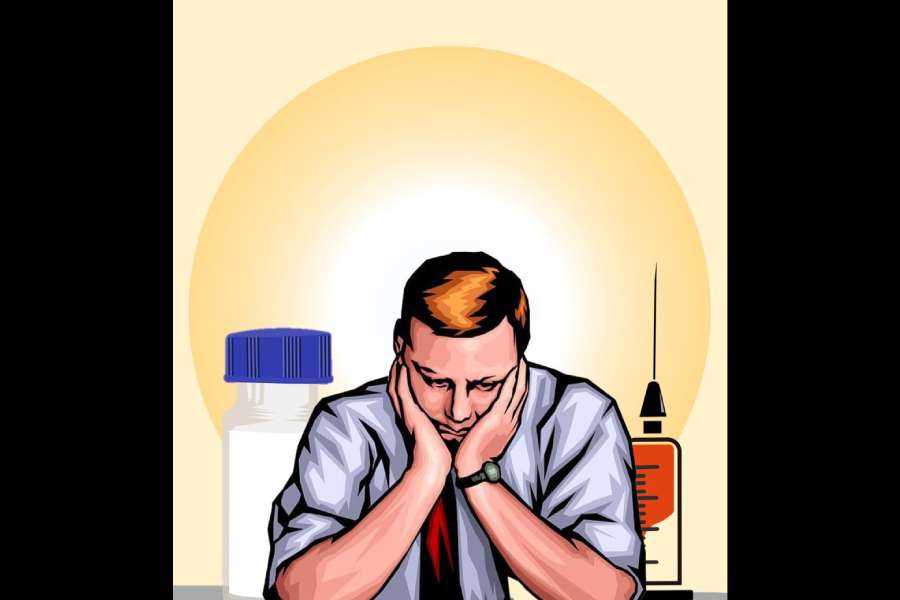
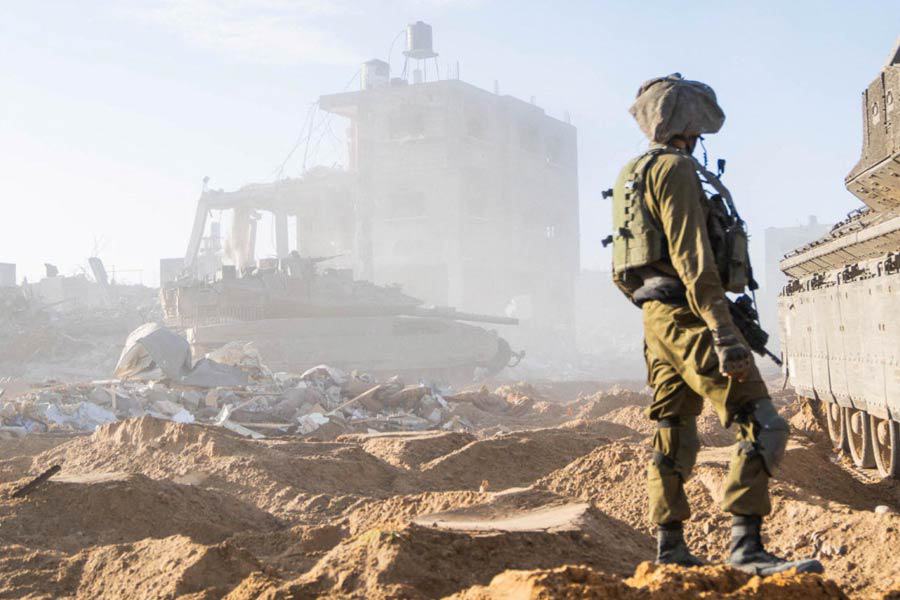
New Delhi, Dec. 7: Captains, majors and lieutenant colonels — middle-rank officers — are the most stressed out in the army and are vulnerable to psychological conditions, according to a study by the Defence Institute of Psychological Research (DIPR). These officers are mostly in the age group of 26 to 40 years.

Highlights of the study were today placed in the Lok Sabha in a reply by defence minister A.K. Antony. The DIPR was asked to carry out the study after the army recorded about 100 soldier suicides every year for five years. This year, it reported that 23 officers and soldiers of other ranks were killed in incidents of fragging.

The most recent incident was on December 1, when Lieutenant Colonel Pankaj Jha, 37, killed himself with his service revolver at his camp near Udhampur in Jammu. He was said to be an officer with a good record.

The DIPR study, titled Psycho-Social Aspects of Optimising Operational Efficiency of Security Forces to Combat Insurgency, was carried out from September 2000 to May 2005 in the Northeast. In an earlier statement in Parliament, the defence minister had said stress among soldiers was observed mostly among those deployed in counter-insurgency operations in the Northeast and Jammu and Kashmir.

The study said there were three main causes of stress — fear of torture, uncertain environment and domestic pulls and pressures. Middle-rank officers, who are mostly platoon, company and in some cases battalion commanders, faced these the most. The impact on them was greater than that on personnel below the rank of officers and junior commissioned officers.

“Mental disorders in the form of post-traumatic stress disorder (PTSD) have been observed in traumatised as well as non-traumatised troops, which forms the basis of various somatic symptoms,” the minister said. The study called for therapeutic intervention during PTSD and programmes to manage combat stress.

In another reply in the Rajya Sabha yesterday, the defence minister said there were 11 incidents of “fratricide” in the army till November 2006.

There were six incidents last year. A total of 23 soldiers, including officers, were killed and seven injured in “fragging” this year. No such incident was reported from the navy and the air force.

In 2004, five incidents of “fratricide” were reported. Nine soldiers were killed in 2004 and 13 killed in 2005.

The defence minister broadly categorised the incidents as falling under two heads:# argument(s) between colleagues# perceived grievance/harassment by seniors.

The incidents have been discussed in the periodical commanders’ conferences. A soldier who has killed a colleague or a senior often commits suicide. But that is not always the case.

The defence minister said the DIPR has been asked to do a study and suggest “remedial measures”. This was one of 10 steps that the minister enumerated. He said junior commissioned officers had been asked to function as counsellors and that commanding officers had been asked to be more liberal with requests from soldiers to go on leave. “All officers and other personnel in the services have been sensitised to the issues,” he said.

Antony is scheduled to make his first visit to Jammu and Kashmir since taking over as the defence minister over the weekend. Apart from visiting a sector near Poonch on the Line of Control, he is expected to enquire about incidents of fragging and soldier-suicide during his meetings with officials of the northern command.

Top
Email This Page
 
 
Biz2Credit Bizsense