TT Epaper LHS
The Telegraph
TT Mobile
 
 
IN TODAY'S PAPER
WEEKLY FEATURES
CITY NEWSLINES
FEEDS
  RSS
  My Yahoo!
SEARCH
 
Archives Web
 
ARCHIVES
Since 1st March, 1999
 
THE TELEGRAPH
 
CIMA Gallary
 
Email This Page
We Ask You Answer
Choke tap for tax flow

Taxable: A skyline of the city


Sourish Misra,
Salt Lake

It is perfectly fine to stop water supply for failure to pay property tax. There are many who don’t think twice about spending thousands of rupees on shopping and entertainment, but default on their tax payments. Because of them, the authorities sometimes have no option but to increase the burden on those who pay their taxes.


Biman saha,
Lake Town

The civic authorities have every right to cut off water supply for non-payment of property tax. But this should not be done before the tax-payer has had a few opportunities to clear his dues. Those who do not pay their taxes despite having the means to do so should go without water. The civic authorities, however, need to ensure that there are water sources in every locality before starting the disconnection drive.


Sandhya banerjee,
Salt Lake

If somebody can afford to pay property tax but is not doing so, he or she should be denied water supply. The revenue earned through property tax is spent on providing civic amenities.


Saptarshi das,
Sinthee

It is unfair to deny water for failure to pay property tax. No one can do without water even for a day. One can at most be warned for failure to pay property tax.


D. Chakraborty,
Cossipore

Those who do not pay tax on time, generally have no intention of doing so ever. Stopping water supply is a good way of forcing their hand.


A.F.K. Ahmed,
Bandpur, Hooghly

Cutting off water supply is inhuman. Such a step can only be taken by a mayor who is not citizen-friendly. The civic body has no right to rob house-owners of a natural resource. If the tenants refuse to contribute a portion of the property tax, how will a house-owner clear his dues? It is impossible to make tenants pay up through legal means as court cases drag on for years. Why is the civic body targeting house-owners when there are tax-defaulters in every sphere of life?


Atif Ayaz,
Serampore

Property tax defaulters must be punished, but not by stopping water supply.


Rathin chatterjee,
Dum Dum

Yes. The civic body spends a lot of money on treating water and distributing it. It cannot run such operations if taxes are not paid on time. There should also be a penalty for misuse of water.


P.B. Saha,
Salt Lake

It’s not humane to deny water for failure to pay tax. But tax collection is the prime source of civic earnings. A section of citizens are in the habit of evading tax irrespective of their financial capability. This cannot be supported.


Tuhin Purkayastha,
Parnashree Palli

It is not right to deny water supply for non-payment of tax. People will be in great distress without water. The civic body must think of some other plan to collect its dues.


Ronita Dutta,
Jadavpur

The civic body is not a charitable organisation that it would provide services for free. Water supply must be stopped for failure to pay property tax.


S. Sen,
Bally, Howrah

God has made water freely available to all species. How can the failure to pay property tax be a cause to deny supply of water? It is the government’s duty to see to it that people are not denied amenities necessary for their sustenance. Some other stringent measure should be adopted to make tax defaulters pay up.


S.N. Mitra,
Beleghata

It is mainly the wealthy businessmen who do not pay their property tax, but enjoy the civic services. The civic body has every right to deny them water.


Amar mitra
President, All Calcutta House Owners’ Association

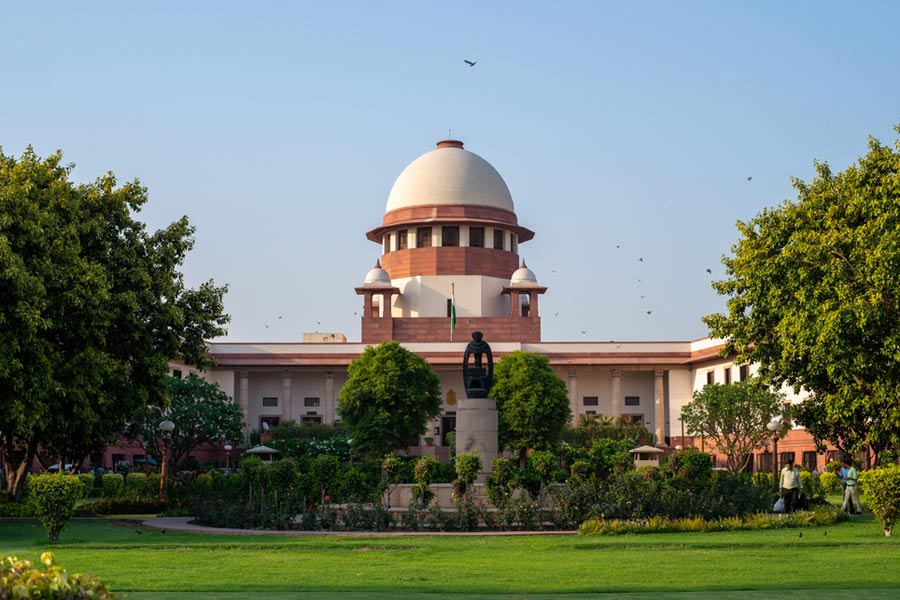
No way. The Supreme Court has ruled that electric and water connections are essential services and the landlord cannot disconnect those even if rent is not being paid. The same logic applies here. The Corporation should check why a defaulter cannot pay. Often it so happens that the tenant is not paying the rent or is doing so at the rent control office, which is not forwarding it. The office does not pay an interest even if it pays the accumulated rent after five years. But the Corporation charges both penalty and interest for late payment of tax. Why doesn’t the Corporation directly collect the tax from the occupier like in the case of trade licence?


Top
Email This Page