Wednesday, 15 May 2024
Wednesday, 15 May 2024
Wednesday, 15 May 2024
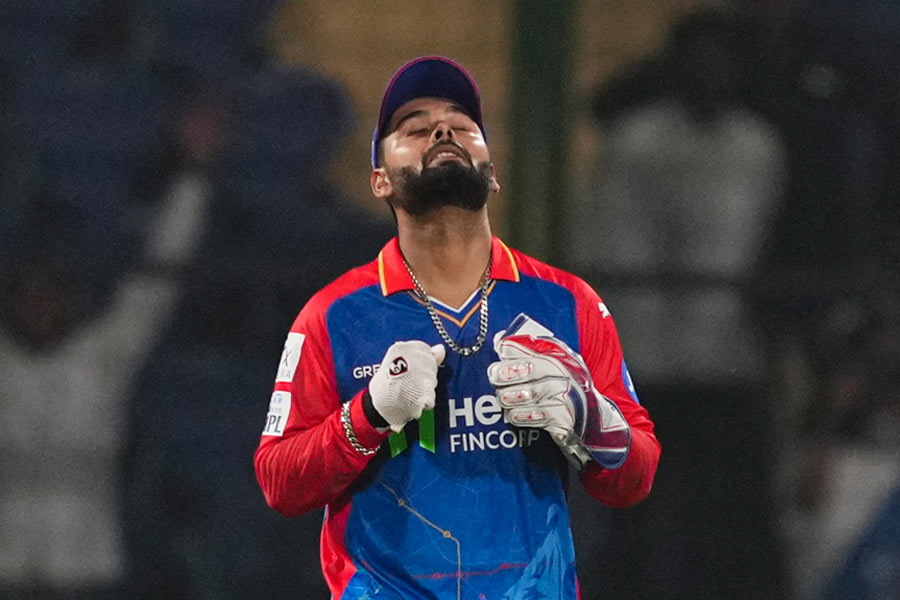







Cricket and love collide as ‘Mr and Mrs Mahi’ trailer drops ahead of its release
Bipasha and Devi’s Mother’s Day plan was a thoughtful one
Devlina Kumar pays a tribute to Yashoda through her dance performance
Veena maestro Bhagyalakshmi Chandrasekhar plays ‘Come September’ theme song
These travel bags are a must-have if you are planning a trip
As another general election cycle continues, most parties promise development, but calculate their chances based on the identity of people likely to vote for them
ARGHYA SENGUPTA
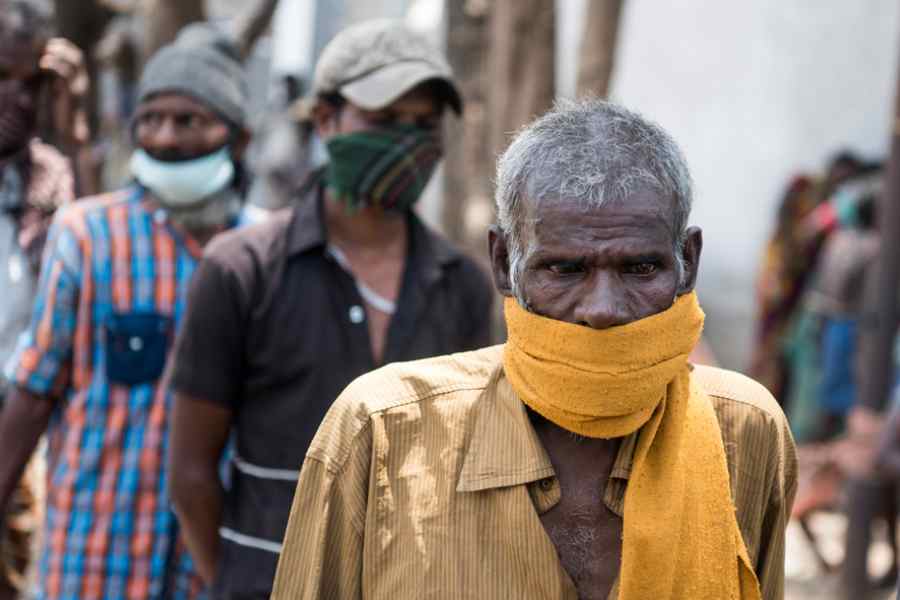
Why do so many accidents occur? It is estimated that 70% of the accidents are caused on the power press machines, and in almost all the cases the workers had lost at least two fingers
NISHA SRIVASTAVA
Rather than zooming into this fleeting moment of two months, an imaginary zooming out might allow us to see these elections and their ramifications in the context of the recent past and the near future
RUCHIR JOSHI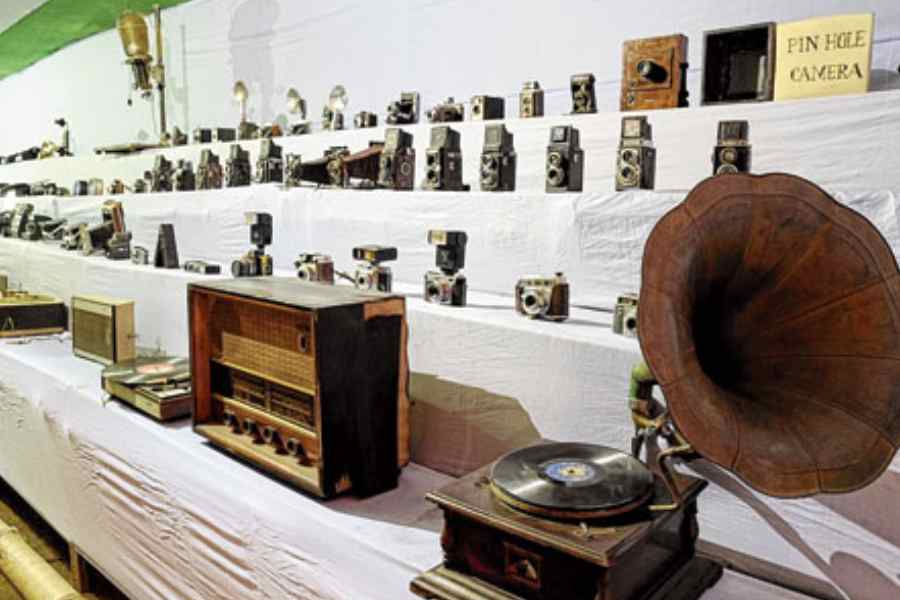
The first Indian recording made commercially in Calcutta took place on Nov 8, 1902. The singers were two nautch girls, Sashi Mukhi & Feni Bala, from Amarendra Nath Dutta’s Classic Theatre
MOUSUMI ROY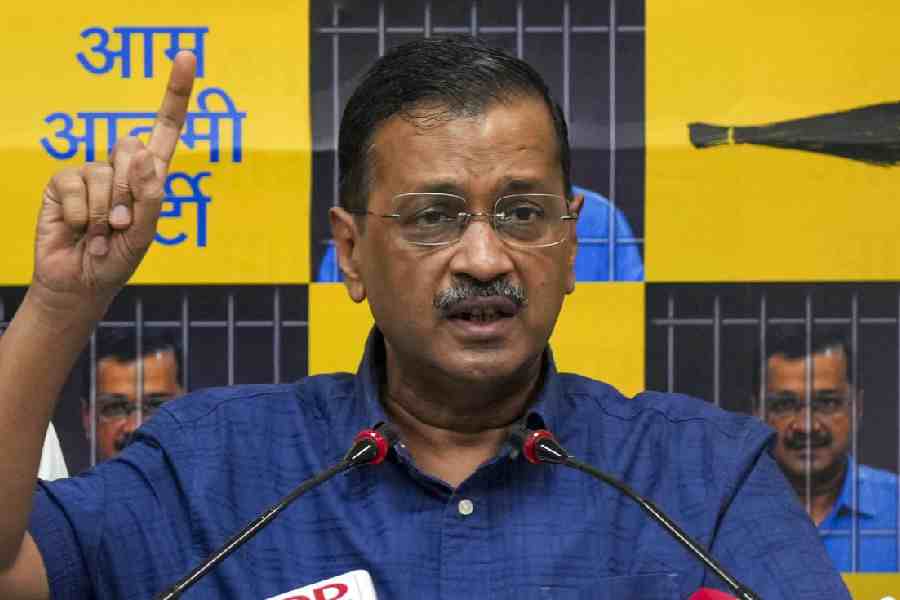
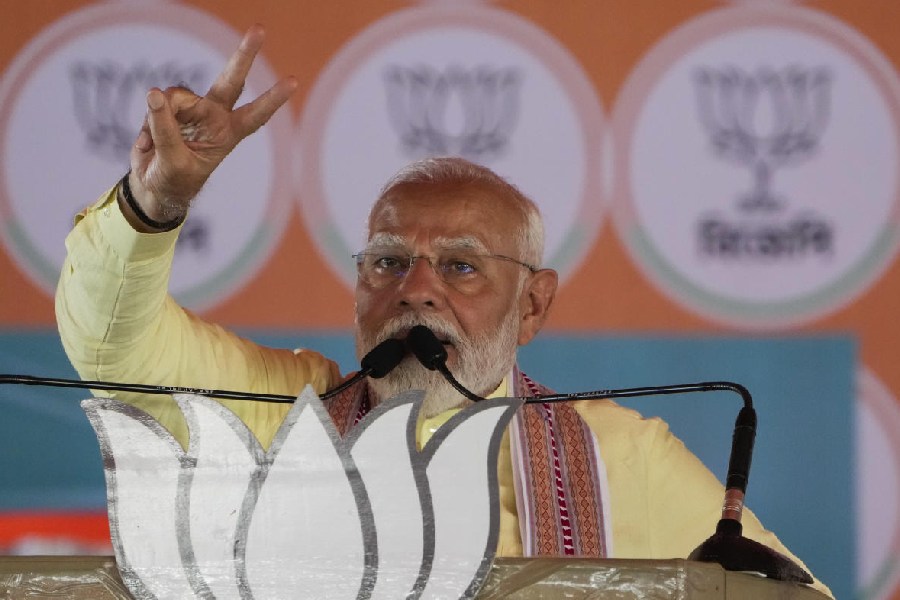
Kejriwal’s political chutzpah is certain to energise the Opposition’s campaign & be an irritant to BJP. His presence assumes significance as AAP's strongholds are yet to go to the hustings
THE EDITORIAL BOARD

















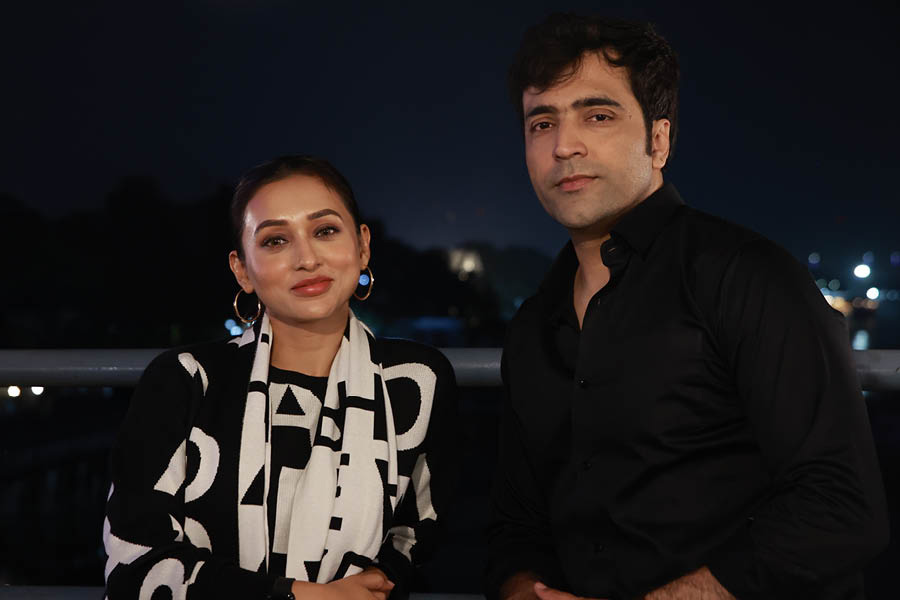
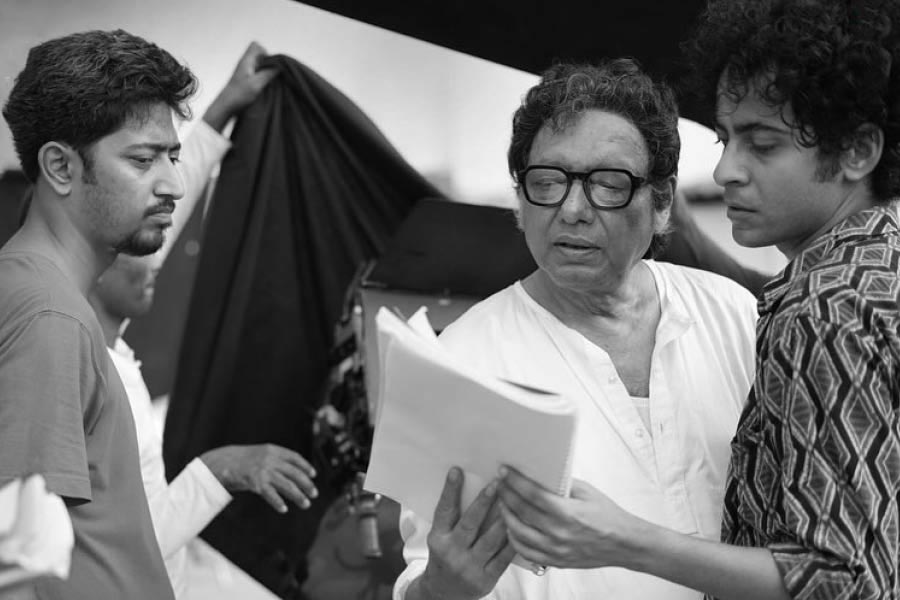
Directed by Premendu Bikash Chaki, Alaap also stars Swastika Dutta and Kinjal Nanda