TT Epaper LHS
The Telegraph
TT Mobile
 
 
IN TODAY'S PAPER
WEEKLY FEATURES
CITY NEWSLINES
FEEDS
  RSS
  My Yahoo!
SEARCH
 
Archives Web
 
ARCHIVES
Since 1st March, 1999
 
THE TELEGRAPH
 
CIMA Gallary
 
Email This Page
Giant linguistic survey, a century on

New Delhi, Oct. 27: The UPA government has launched a gigantic exercise — after more than a century — to map the linguistic landscape of India and its multicultural identity.

The last linguistic survey of the country was done by the British in 1890 and it has been 80 years since its revision.

The University Grants Commission will carry out the Rs 200-crore project, for which funds will be released during the 11th Five Year Plan. The study will take the help of a host of universities and institutions specialising in linguistics.

“The need for a fresh survey was felt, particularly at the official level, as planning and census documents still refer to a survey which is a century old,” said the human resource development ministry.

Experts suggest the new survey should examine the structure of the varieties of speech, their functions and scripts.

The main objective of the study is to gather information on languages and preserve those that are fast becoming extinct.

Tribal and minor dialects face a serious threat because of lack of recognition, patronage and status. They get marginalised in the mid of economically and socially dominant groups. The findings of the survey can be used to evolve a language policy that will cater to the requirements of tribal populations in outlying areas.

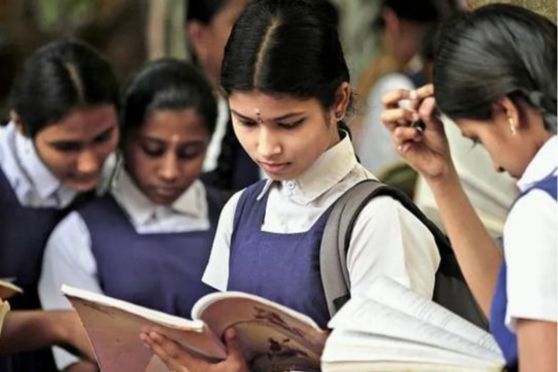
Educationists have been arguing that school textbooks should be written in local languages to help students relate to the lessons.

The HRD ministry says the survey will mark a “new beginning in the systematic plotting of languages in a geographic space”.

According to experts, the British survey suffered from the drawbacks of a colonial perspective. They point to the language controversies that broke out in every part of India following the standardisation of languages imposed by the British.

For the colonial masters, it was a “civilising” mission and they wanted to do away with dialects to remove language barriers.

The HRD ministry says the new survey will be “unique” and will prove “invaluable” for scholars from different disciplines like linguistics, Indian languages, demography, anthropology, sociology, economics, statistics, creative writing, comparative literature and translation studies.

For instance, the study will throw light on how far Hindi and English have been able to act as bridge languages. The three-language formula (English, Hindi and the local language) has not really worked well in schools. The south is still resistant to teach Hindi.

The Central Institute of Indian Languages based in Mysore will play a key role in conducting the survey. The UGC will lay down the rules and guidelines for disbursing the HRD ministry’s funds to participating institutions.

Top
Email This Page
 
 
Biz2Credit Bizsense