|
| Harry Potter would only be too happy if
one fine morning the ‘magical’ Giant Palouse
Earthworm crawled out of his goblet of miracles |
J K Rowling, here's food for thought.
Would you be interested in a three feet long pinkish worm
that smells like lilies and spits? It was long thought to
be extinct, this worm. But in true Hogwart style, it’s
popping out intermittently from tiny swatches of farmlands
in the Washington-Idaho border. And it’s making waves
in the region.
If conservationists had their
way, they would hardsell the Giant Palouse Earthworm to
Rowling and insist she gave it pride of place in Harry Potter’s
armament of miracles.
“This worm is the stuff
that legends and fairy tales are made of,” says worm
supporter Steve Paulson. “What kid wouldn’t
want to play with a 3 foot-long, lily smelling, soft pink
worm that spits on attackers?”
The region’s media is excitedly
reporting sightings of Driloleirus americanus, native to
the deep soils of the Palouse, which were built up by millions
of years of volcanic ash and are some of the richest farmland
on Earth. Little is known about the giant worms: how many
there are, where they live, how they behave, or why they
are so scarce.
he worm was first found in 1897,
and the species has always been elusive. It can burrow down
to 15 feet deep. There have been only three reported sightings
since 1987.
The most recent sighting was was on May 27, 2005, when a
graduate student from the University of Idaho unearthed
one specimen. The Giant Palouse Earthworm is the largest
and longest-lived earthworm on the American continent.
But why the sudden interest? Locals
are frantically trying to salvage the last remnants of the
undeveloped Palouse prairie, and the earthworm could play
a major role in that. “Listing the Giant Palouse Earthworm
may be the only way to protect the Palouse Prairie,”
said O Lynne Nelson, who signed a petition last week seeking
protection for the worm under the Endangered Species Act.
The U.S. Fish and Wildlife Service will decide if this
needs more study and begin a year-long review thereafter
to decide if endangered species protection is required for
the Giant Palouse Earthworm.
Researchers are saying the Palouse sub-basin wouldn’t
be complete unless the Palouse giant earthworm was mentioned.
When Frank Smith first unearthed this giant earthworm near
Pullman in 1897, he named it Megascolides americanus, thinking
that it was closely related to Australia’s fifteen-foot
worms (Megascolides australis). Although dwarfed by its
Australian counterpart, the three-foot long Palouse is certainly
a giant among worms. This species, really only distantly
related to Megascolides, was renamed Driloleirus which means
“lily-like worm,” reflecting the flowery aroma
that it emits when handled
Since its initial discovery, very few other sightings of
this species have been documented. The giant Palouse earthworms
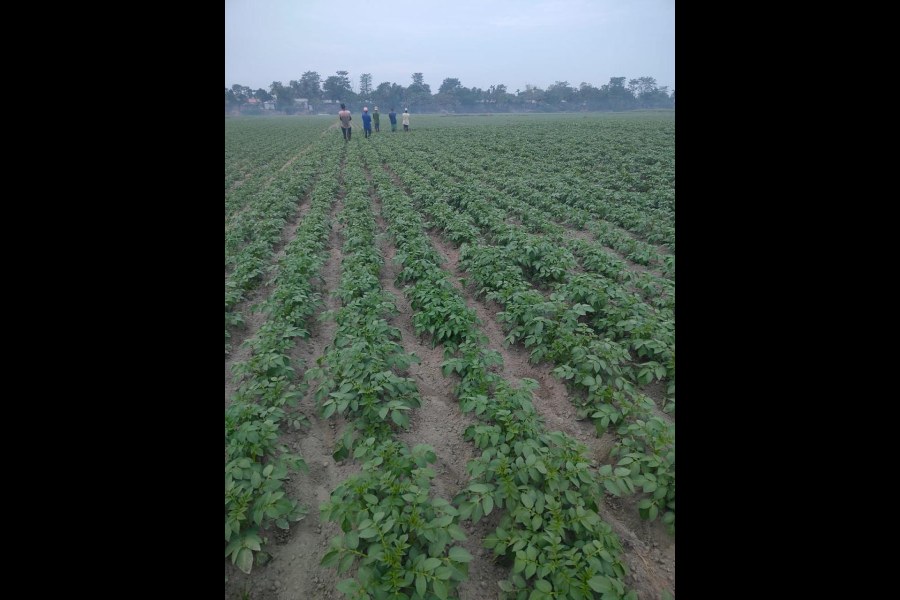
live in the deep, rich soils of the Palouse bunchgrass prairies.
Thick layers of organic matter that have accumulated in
the soils of the Palouse for hundreds of years sustain the
giants during the wetter seasons. During summer droughts,
the worms dig burrows as deep as fifteen feet, conserving
water with specialised kidney-like organs.
Farmers that arrived in eastern Washington prized the fertile
Palouse soils, resulting in the almost complete destruction
of the bunchgrass prairies that characterised this region
by the late 1800s. The biggest threat to these elusive giants
continues to be habitat destruction due to agriculture and
development, but the introduction of the now widespread
European earthworm has also helped to further the decline
of the native Palouse worm. |