TT Epaper LHS
The Telegraph
TT Mobile
 
 
IN TODAY'S PAPER
WEEKLY FEATURES
CITY NEWSLINES
FEEDS
  RSS
  My Yahoo!
SEARCH
 
Archives Web
 
ARCHIVES
Since 1st March, 1999
 
THE TELEGRAPH
 
CIMA Gallary
 
Email This Page
Temple gender ceiling cracks

Chennai, Aug. 13: Tamil Nadu has decided to give women a say in the way temples are run by bringing a law that will require religious institutions to give them at least one seat on trustee boards entrusted with administration.

The gender-parity move will send ripples across the border to Kerala, where the glass ceiling in its Sabarimala Temple has not cracked so far. Women are shut out of the world-famous Lord Ayyappa abode even as devotees.

The DMK government, keen to push through progressive measures in its religious institutions, has cleared the way for at least one woman on the board of trustees running temples that come under the state Hindu religious and charitable endowments (HR & CE) department.

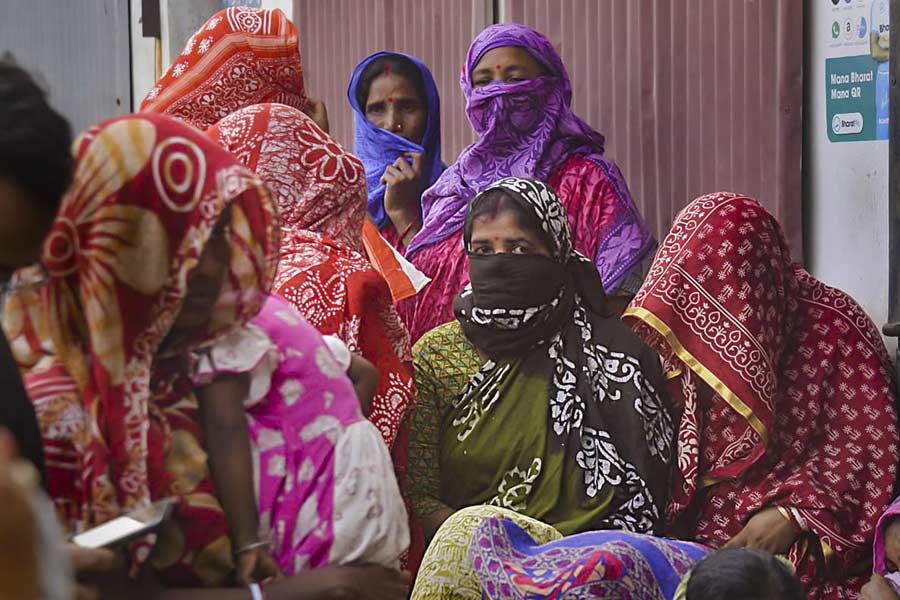
There are no restrictions on women entering Tamil Nadu temples, but their representation is poor on the boards of 35,000 religious institutions, including Jain temples, controlled by the department. The DMK wants to rewrite the law to give women a role in day-to-day administration.

That intent took the shape of a bill introduced in the Assembly yesterday to amend the Tamil Nadu Hindu Religious and Charitable Endowments Act. K. R. Periakaruppan, the minister in charge of the department, said a new provision would ensure there is at least “one woman on the board of trustees”.

Section 47 of the act also requires the boards of trustees in all such institutions to have at least one scheduled caste (Dalit) and scheduled tribe member each.

The gender initiative pushes the agenda of change deeper. “In the context of women taking keen interest in religious activities, their participation in administration is crucial for the development of religious institutions,” the amendment proposed to the bill states.

Besides women, opportunities will be given to senior citizens “who have the necessary aptitude, dedication and competence to strengthen and provide impetus to the administration of religious institutions,” the bill says.

The amendments also seek to abolish the old system of constituting district committees for drawing up a roster of individuals to be appointed as “non-hereditary trustees in religious institutions”. The power to make these appointments will now be vested in bureaucrats of the rank of the commissioner, joint commissioner and assistant commissioners in the HR & CE department.

The term of such trustees is being cut from three years to one. The age limit of 70 years for appointment of trustees to temple boards is being done away with. “Advanced age is considered an indicator of piety, philanthropy and a sense of dedication,” the proposed amendment states.

The bill will also give statutory sanction to an earlier order of the DMK government allowing archakas (priests) of all castes in all Hindu temples.

This provision, which sought to ensure archakas are appointed without any discrimination on caste or creed, will now become part of the original act.

Top
Email This Page
 
 
Biz2Credit Bizsense