|
|
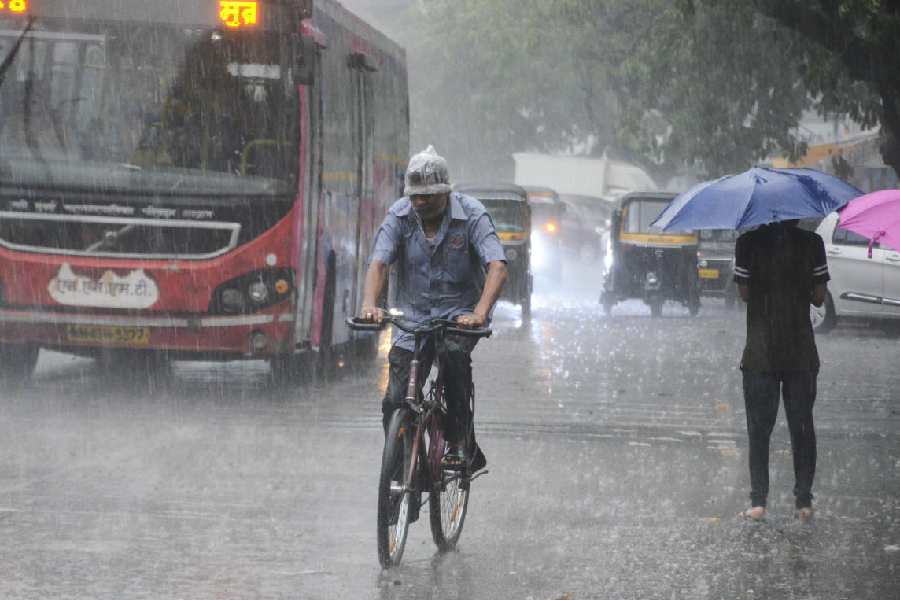
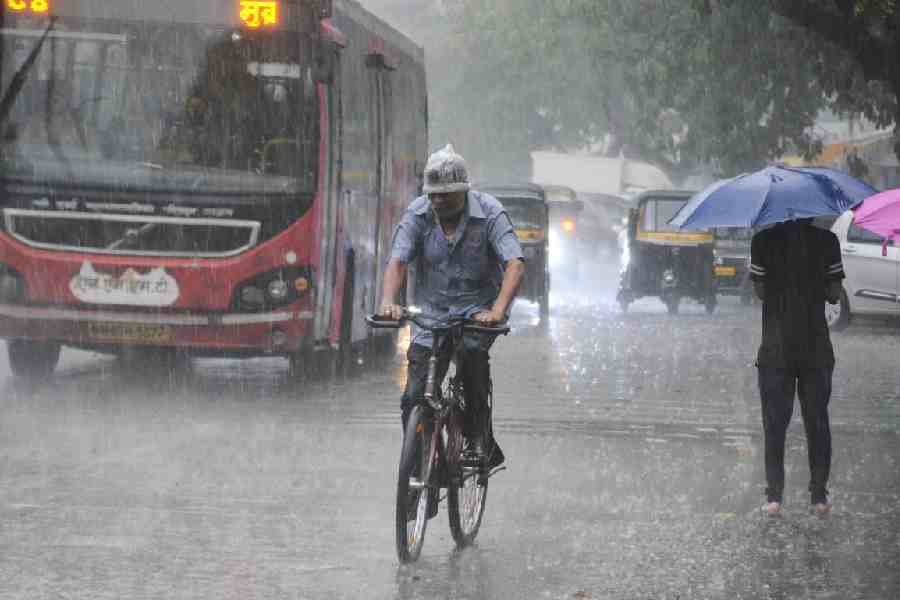
A vendor waits for customers at his footwear stall in Mumbai on Friday. (AP)
|
Mumbai, July 14: After
the blasts, the men in the Ambujwadi slums have stopped
going out for work. Right now, they are terrorised not so
much by the thought of fresh bombings but of the police
returning while their wives and daughters are alone at home.
The first visit by the lawkeepers had come at 3 am on Wednesday, just about eight hours after the train blasts. These 6,000-odd, Muslim-dominated shanties in Malwani, northwest Mumbai, were where the police had first thought of looking for suspects.
There was no midnight knock, the police kicked the doors open as parents slept with their children in their one-room dwellings.
The men were ordered to get out. Those who resisted or took some time rubbing the sleep off their eyes were kicked and slapped.
My young daughter was sleeping on the ground but they didnt bother. We might be poor, but we have self-respect, sobbed Asha Devi, whose son and husband were taken away by the 400-odd policemen.
|
|
Savitri, the widow of M. Joga Rao who died in the Mumbai blasts, breaks down after his body arrives in Hyderabad. Andhra police have arrested Mohammed Abdul Haleem, an ISI operative allegedly involved in the 1993 Hyderabad blasts, and three others for questioning on Tuesdays explosions. (PTI picture)
|
If we had done the same thing with their wives and daughters, how would they have felt, shouted Abdul Kalam Sheikh, who was dragged away in front of his weeping children.
The 15-year-old son of Faiyaz Ahmad was beaten black and blue when, in his groggy state, he made the mistake of not responding to the cops summons.
We dont resent the policemen; but they could have been polite and come in the morning. We would have told them whatever they wanted to know, said labourer Ramzan Ali.
Nearly 250 people were detained at the Malvani police station, but almost all were released by today because of lack of evidence.
We found they had nothing to do with the blasts, so we let them go. Its part of routine checks we are doing around the city, said inspector-in-charge Anant Sawan.
But slum residents spoke of strange police behaviour.
Despite repeated requests, they didnt tell us why they were taking us to the station. When we got there, they said they wanted us to register our names and addresses so that if something like the blasts happened again and we died or got injured, they would know where we lived, laughed Sheikh who still cant get over the insane response to his simple question.
Slum dwellers said they couldnt understand why the police suspected them.
We eat bread and chilli and are sometimes so hungry we lose sense of day and night. We cant read or write ? what could we have done? a resident asked. Not leaving for work means the men have lost their days wages.
The women are angrier. The government has failed us. Our children get drenched and sick every rainy season, we have no one to help us, but if something like this happens we are the first to be victimised, said Farzana Khatim.
The area has never seen communal clashes. We are like brothers and have never listened to the communalists, said Rahim Sheikh, who was with his friend Mahendra Prasad Yadav when the latter was picked up.
Ghulam Sarvar, who had never been to a police station before, has been in bed with high fever since his return at 5 am on Thursday. He is so shaken that he has been vomiting, said his wife Sabina.
The residents feel they arent safe even inside their homes.
My son told me, ma dont worry, I will be back. But how could I not worry? I followed him to the station with tears in my eyes, said Asha Devi.
Ambujwadi was among two slums that were demolished by the government in February 2005. Its over 8,000 shanties were flattened and 1 lakh residents evicted. They have come back and rebuilt the shanties, but now they dont even have drinking water.
|