TT Epaper LHS
The Telegraph
TT Mobile
 
 
IN TODAY'S PAPER
WEEKLY FEATURES
CITY NEWSLINES
FEEDS
  RSS
  My Yahoo!
SEARCH
 
Archives Web
 
ARCHIVES
Since 1st March, 1999
 
THE TELEGRAPH
 
CIMA Gallary
 
Email This Page
NOSEDIVE

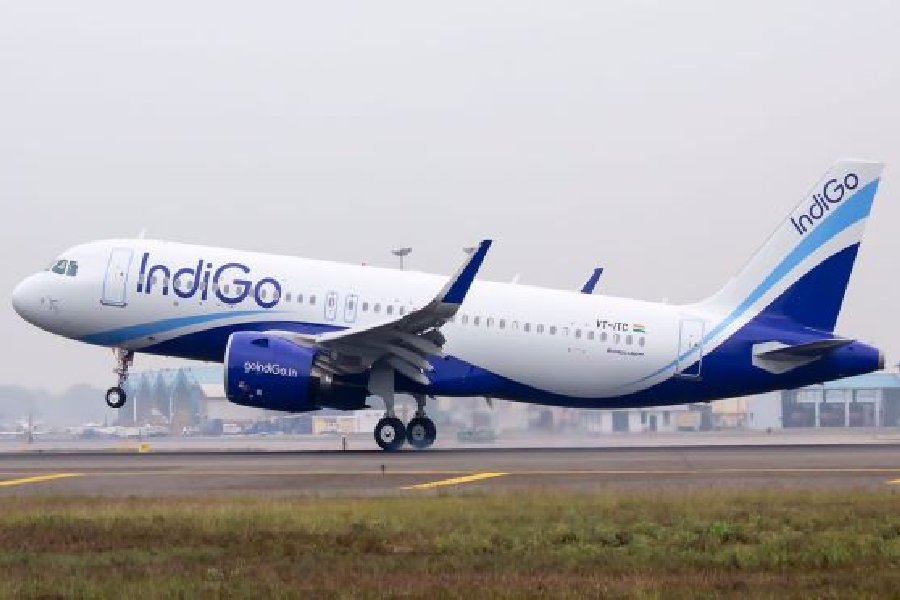
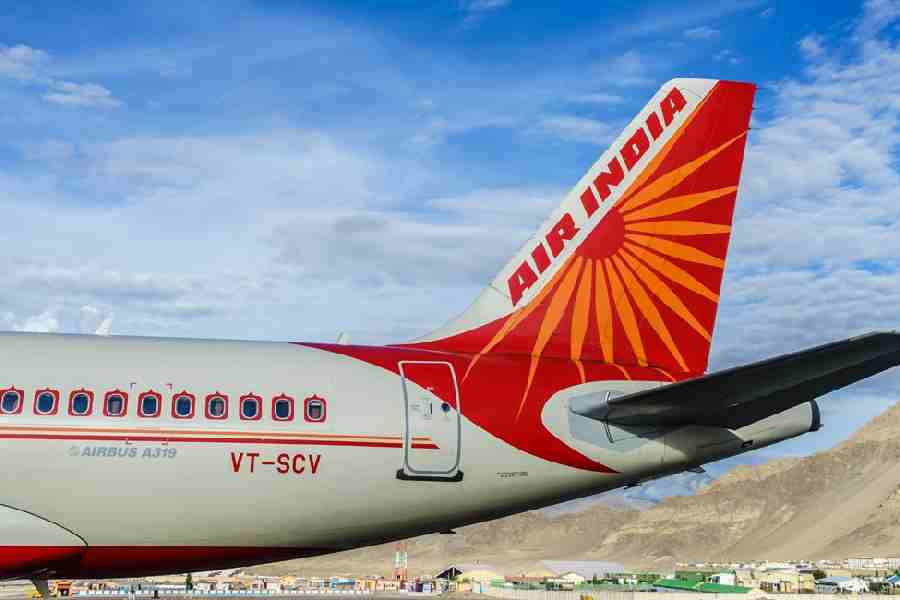
The market was right after all. After the announcement of the Jet-Sahara deal around six months ago, the Jet Airways? stock fell sharply, signalling investors? doubts about the merger. Analysts had speculated at the time that Jet had paid too high a price, although it was conjectured that the hefty premium was on account of access to scarce airport infrastructure including parking bays, prime-time take-off and landing slots. But the market had no such doubts and the Jet Airways scrip plummeted at a time when the rest of the market was zooming up. With the scrip having come down even further after the market meltdown last month, there is little doubt that the high price paid for Air Sahara must have rankled and loopholes must have been examined to get out of the deal. In any case, that is the only explanation for the break-up that seems to fit the facts, although there have been plenty of allegations and counter-allegations flying between the two airlines.

The government?s role in all this has also been bizarre, since it delayed granting a security clearance to Mr Naresh Goyal till the deadline expired, thus allowing Jet an opportunity to get out of the deal. This is extremely unusual, since if the government thought it fit to allow Mr Goyal to run one airline, there was no reason why he should not get the clearance to run another one. The government therefore needs to come clean on the whole affair, particularly because there have been allegations of foul play against it.

There are several lessons to be learnt from the deal and its break-up. In recent times, companies have announced acquisitions with much fanfare and have been duly feted as signs of a resurgent India Inc spreading its wings abroad. The trouble is that many of these acquisitions also occurred when the stock markets were peaking and consequently the price paid may have been very high. Several other companies therefore may also be regretting their recent acquisitions. Unfortunately, investors often have no idea whether the target company has been acquired cheaply because, even when the amount paid for the acquisition is disclosed (which is not always), other financial details are not. At the time of the Jet-Sahara deal, for instance, investors had no idea about Sahara?s financials. Studies have shown that it is by no means certain that acquiring companies create value through takeovers, and the existence of a ?buyer?s curse? is well-documented. It is all the more important, therefore, that shareholders are able to form an independent opinion about M&A deals on the basis of detailed information. And since shareholders are the owners of the company, it should be mandatory for the company management to provide these details.

Top
Email This Page