TT Epaper
The Telegraph
TT Photogallery
 
 
IN TODAY'S PAPER
WEEKLY FEATURES
CITY NEWSLINES
FEEDS
  RSS
  My Yahoo!
SEARCH
 
Archives Web
 
ARCHIVES
Since 1st March, 1999
 
THE TELEGRAPH
 
CIMA Gallary
 
Email This Page
Lanka refugees run, from army & war fear

Rameshwaram, May 29: In Tamil folklore, the Adam’s Bridge ? the small islets of sand dunes off this island ? are the remnants of the sethu bandhan Ram’s monkey army built to Ravan’s Lanka. To the Sri Lankan Tamils fleeing the “tortures” of the “Sinhalese army”, it’s turned a bridge of hope.

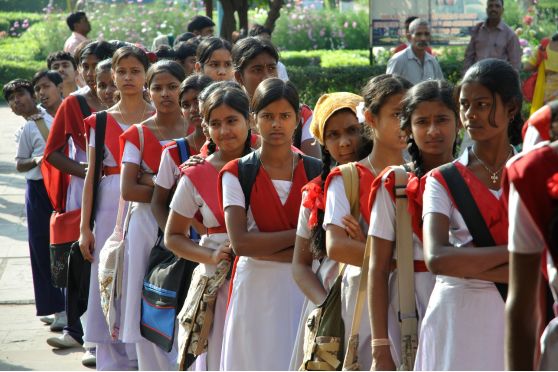
A four-week spurt in refugees taking the rough boat ride to Indian shores had swelled their number to almost 2,600 till Sunday.

“We simply can’t live in the presence of the Lankan army,” said fisherman Pushparaj at Dhanushkodi police station where his group was brought on Saturday. “Twenty days ago, a woman and her daughter from our village who had gone to a nearby town were hacked to death by the army. We don’t know why.”

“We can’t go out fishing or do anything else,” chipped in Dharmaraja, another refugee from Trincomalee, northern Sri Lanka. “So we left behind our home, my four boats, fishing nets and five engines and ran for our lives. The police and others here have been so kind to us.”

About 20 km from here, Dhanushkodi, literally “land’s end”, where a once flourishing town was swept away by tidal waves in 1964, is now just a stretch of sand from where some fishermen launch their boats. Further east in the shallow seas, Arichalmunai is the last of the small chain of islets within Indian waters.

It’s on these islets that Lankan Tamil-owned boats drop off the refugees at the dead of night and hurry back to Talaimannar, just 18 nautical miles from Rameshwaram, for the next trip.

Local fishermen or sailors from the Indian Navy or the Coast Guard who spot the refugees inform any of the seven coastal police stations, including Dhanushkodi and Rameshwaram. The police bring them in for a preliminary investigation and luggage check.

At times, the small naval boats or the Coast Guard’s hovercraft ferry the stranded men, women and children to Rameshwaram, Pamban or Dhanushkodi. Each family is photographed, handed serial numbers and, after the first search for explosives or smuggled goods, packed off to the mainland refugee camp of Mandapam, about 20 km from here.

A month of “quarantine” follows, allowing a thorough check into each refugee’s antecedents, especially for Tamil Tiger connections. Once cleared, they are officially admitted into the camp, allotted a house ? one for a family of six ? handed a set of cooking utensils and issued ration cards. There is a school and a hospital in the camp, which is barred to the local population.

The refugees are not from the “rebel-controlled areas in the north and east” but mainly from Trincomalee further down, local officials said.

“The peace talks (between the rebels and Colombo) are supposed to be on, but looting and killing are rampant in our area,” Pushparaj said.

Thyagarajan, a grocer, had returned home to Vavuniya hoping normality would return soon. He is back at the camp. “We fear another war between the rebels and the army,” he said. “Trincomalee is the latest hotspot and people are fleeing amid reports that whole villages could be evacuated by the army.”

“Just near my home is an army camp. I can’t even stir out of my house as bombs keep going off on the road,” said Robert Dishakaran Devaki.

Would they have had some protection if the Tamil Tigers were around in their area? “We don’t really know,” said Devaki.

Top
Email This Page