|
|
 |
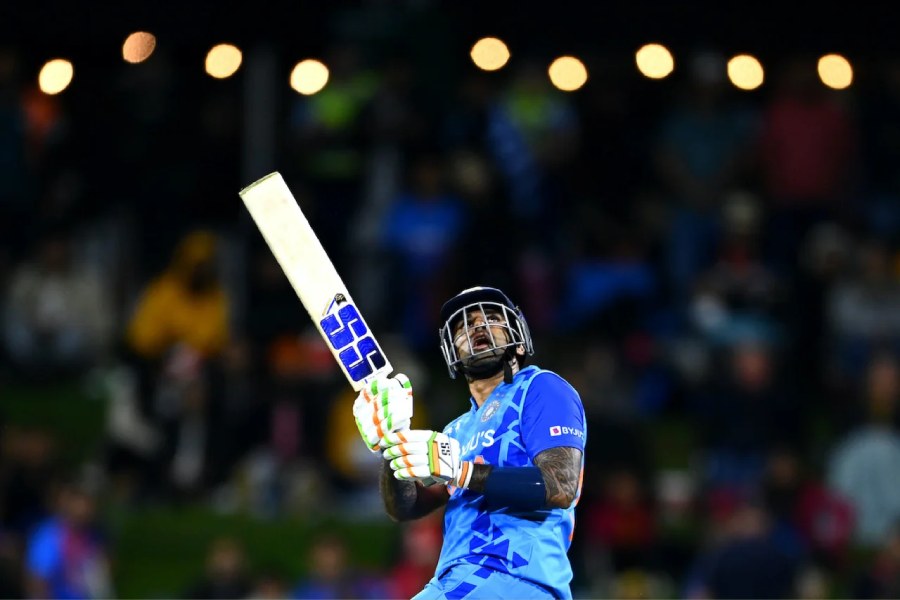
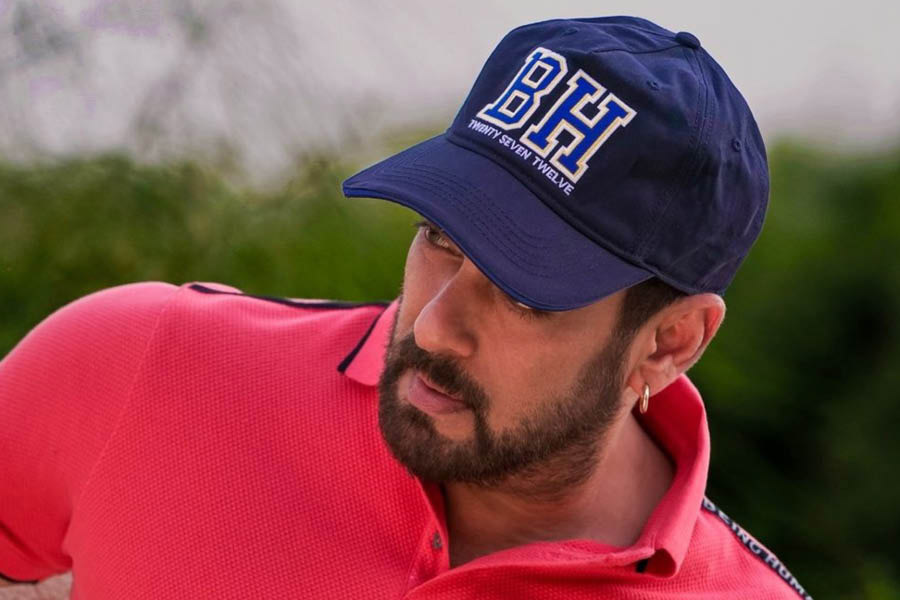
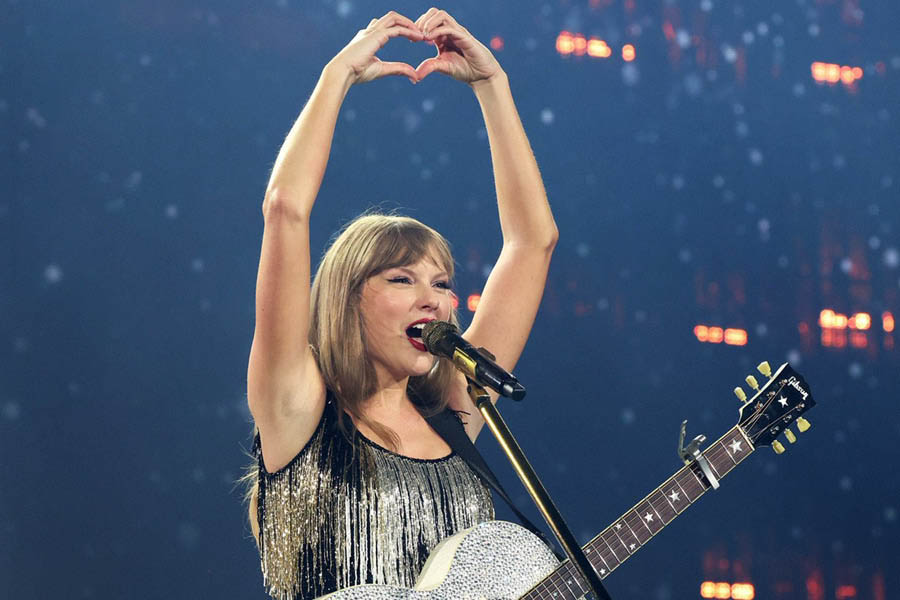
| (From Top) US socialite
Paris Hilton in a mini-skirt, the Big Ben in London
and star allrounder Andrew Flintoff in action in India.
Along with the mini-skirt, Big Ben and cricket have
been included in the list of English icons |
London, April 28: The mini-skirt, which has led many a man astray, was today declared an English icon in a project funded by Culture Online, part of the department for culture, media and sport.
When it first hit the streets of swinging London in 1966, no one could have foreseen the mini-skirt ? long enough to cover the subject but short enough to be interesting (like the Scotsmans kilt) ? would be declared a national treasure four decades later.
The government is inviting nominations from the public in an effort to stimulate debate and encourage the sense that Britain, despite having become multi-ethnic, multi-religious and multicultural, is still one nation.
This is why Brick Lane, the centre of the Bangladeshi settlement in Tower Hamlets in the East End of London, where the road signs are in Bengali and in English, has also today been included as a national icon.
Brick Lane, otherwise known as Banglatown, is the epicentre of the capitals Bangladeshi and Bengali communities, a vibrant London thoroughfare where there is always something going on, says a statement from Culture Online.
The British do tend to confuse Bengalis from West Bengal, who live elsewhere and tend to be academics, doctors, writers and altogether more middle class, with settlers from what was once East Pakistan.
In fact, when a Satyajit Ray festival was held at the National Film Theatre, there was little response despite an extensive campaign directed at Bengalis.
Later, it was discovered that the campaign had been directed solely at the residents who lived in and around Brick Lane.
Brick Lane has played a central role in the history of migration to Britain, Culture Online points out. In earlier times, it was a place of refuge for French Protestants, before playing host to the Jewish community. Hence, you can still buy bagels on Brick Lane, as well as sample some of Londons best Asian cooking.
Actually, the food is neither Bengali nor Bangladeshi nor Asian. Although Brick Lane has more than 50 restaurants touting for business, the hybrid cuisine is one developed to suit the non-demanding English palate.
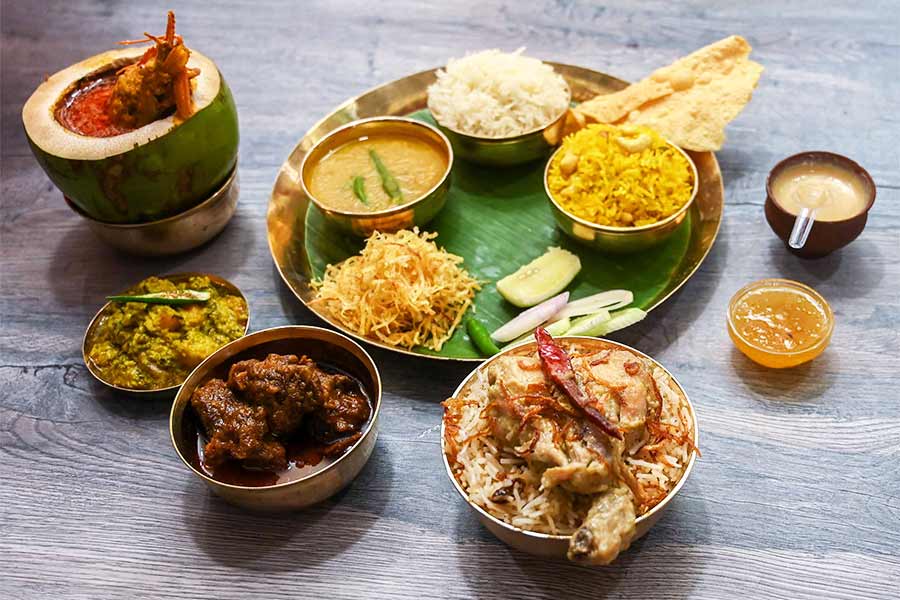
Luchi, aloor dom, cholar daal, rui maach in sarse bata, illish maach of any kind, posto, kosha mangsho, malai prawn curry, sweet tomato chutney, mishti doi, raabri and cham cham are conspicuous by their absence from the Brick Lane eateries.
Chicken tikka masala is available in plenty. Although the favourite food of the British nation, it has yet to make the list of icons, surprisingly. Culture Online adds: Food isnt the only thing for sale on Brick Lane, as the Sunday markets demonstrate. The area is also a hotbed of fashion, music and the visual arts.
It does not say that Brick Lane is also home to Bangladeshi gangs, who have seen off their thuggish white counterparts of yesteryear.
Brick Lane gained in fame when Monica Ali, daughter of a Bangladeshi father and an English mother, published a novel of the same name ? and, according to the residents of the street, ridiculed the ways of fresh off the boat Bangladeshis.
The first 12 icons in the collection, announced in January, were: Stonehenge, Punch and Judy, the SS Empire Windrush, Holbeins portrait of Henry VIII, a cup of tea, the FA Cup, Alice In Wonderland, the Routemaster double-decker bus, the King James Bible, the Angel of the North, the Spitfire and Jerusalem.
The 21 new ones, announced today, are: St Georges flag, Hadrians Wall, the Notting Hill Carnival, Brick Lane, the Lindisfarne Gospels, The Origin of Species, morris dancing, the Domesday Book, the HMS Victory, the mini-skirt, the Hay Wain, Pride And Prejudice, the Eden Project, the pub, Blackpool Tower, The Globe theatre, cricket, the Sutton Hoo helmet, York Minster, Big Ben and the Machin (Queens head) stamp.
Four waves will be announced during 2006 until the collection boasts 100.
|