|
If Narendra Modi and all the supporters of the Narmada dam lived in China, the likes of Medha Patkar would have been no impediment to their plans.
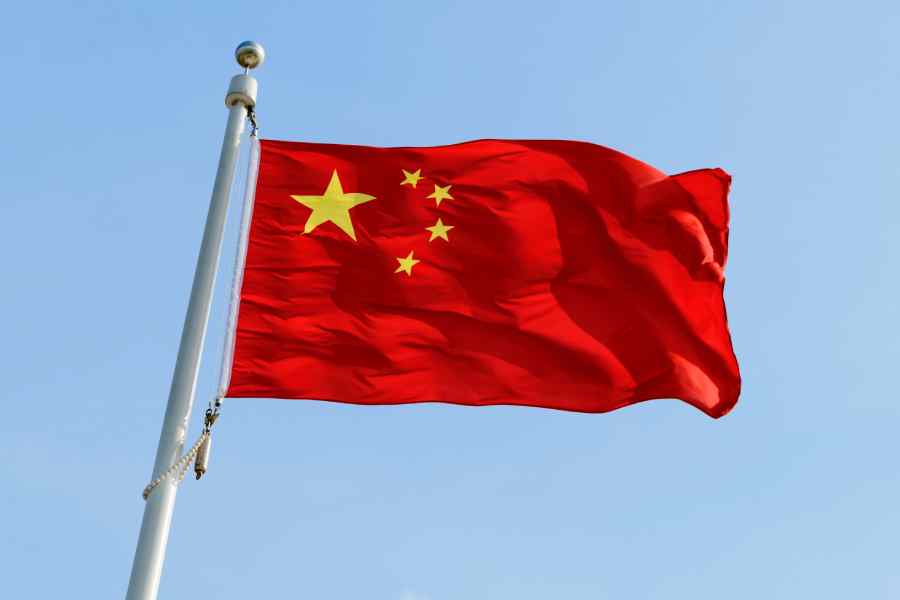
China?s Three Gorges dam, the world?s largest, is in its last stage of construction. When complete, its 2,309 metres will have submerged not just 13 cities, 140 towns and 1,352 villages, but a whole panorama of Chinese culture. Historical monuments, natural vistas and an entire way of life would all disappear, or survive as museum relics. The Three Gorges themselves, listed among China?s ?Top 10? natural wonders, would be altered significantly .
As in India, those who have had to give up all haven?t been given an option. The irony is that this colossus was conceived in the name of socialism. Damming the mighty Yangtze was as much a dream of Sun Yat Sen, the ?Father of New China?, as of Mao, in whose regime the site was selected. The Three Gorges dam, expected to generate 18,000 MW of ?clean? electricity and control floods, was seen as a symbol of socialist achievement.
Neither the suffering of those forcibly relocated by four big dams during the Great Leap Forward nor the collapse of two large dams, which killed almost a quarter million Chinese in 1975, prompted a rethink.
Ironically, the World Bank proved more sensitive to the project?s environmental and human costs than the Chinese government. Singed by its Narmada experience, the bank refused to finance another white elephant. But there was no dearth of international financiers when construction began in 1994. Now, international human rights organizations and the International Rivers Network want these sponsors to accept their share of responsibility for the enormous deprivations being borne by the 1.2 million who have been forced to leave a settled life on the banks of their beloved river.
Shared fate
Unfortunately, those left homeless by this monument to socialism have had to build lives anew under a regime determined to let the market rule. Even under Mao?s planned economy, the resettled families starved. Now they have had to adapt not only to shoddy new houses, an alien environment, communities hostile to the new entrants, but also to corrupt officials and unequal compensation rates, lack of jobs and prohibitive living costs. Many have gone back to their old villages to live in huts, since their original homes were pulled down as soon as they left.
There?s one vital difference between Narmada and the Three Gorges: despite strong opposition to the latter, no one has been allowed to reach Medha Patkar?s iconic stature. Intellectuals opposing the dam clamped up after the 1989 Tiananmen Square crackdown. With the oustees, the state acted swiftly: one month after the project was approved, and full two years before construction began, 179 persons were arrested for ?disrupting? the project. But protests have continued. A few vocal oustees have even managed to reach Beijing, but before their voice could reach others like them, they have been thrown into jail.
In the official media, the dam is a breaker of world records, and a new tourist attraction. Opened to the public last year, there is already a ?Great Three Gorges travel agency?. While environmental and historical damage is discussed, there is not a word about human costs. Right now, an exhibition is on in Beijing?s National Museum, showcasing the ?successful? resettlement, described as proof of the ?advantages of China?s Socialist system and the leadership of the Communist Party?.
So, finally, is there any difference between Mao, Modi, Hu and Manmohan Singh? We may proudly point to Medha Patkar, but is the fate of Indians unfortunate enough to come in the way of ?development? any different from that of their Chinese counterparts?
|