TT Epaper LHS
The Telegraph
TT Mobile
 
 
IN TODAY'S PAPER
WEEKLY FEATURES
CITY NEWSLINES
FEEDS
  RSS
  My Yahoo!
SEARCH
 
Archives Web
 
ARCHIVES
Since 1st March, 1999
 
THE TELEGRAPH
 
CIMA Gallary
 
Email This Page
THE STRUGGLE FOR SURVIVAL

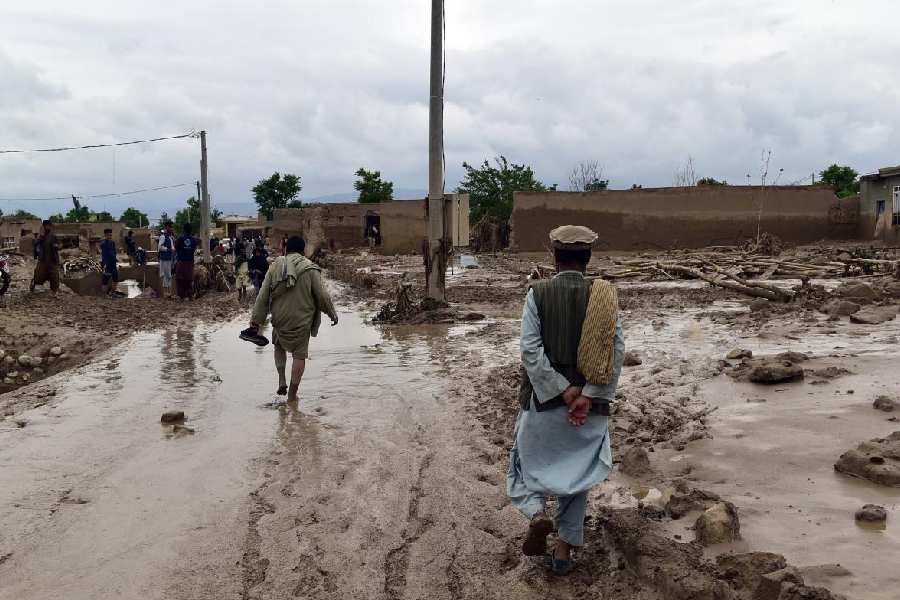
The rural poor are often at the end of irrigation systems, and at the whim of richer upstream users for water, or pushed out onto land dependent totally on ...increasingly erratic rainfall. Deep well water abstractions by richer farmers and water using industries can lower water tables to the extent that poorer families and communities cannot then access the groundwater. Untreated municipal and industrial effluents also pollute the surface and groundwater sources relied on by the poor for their water supplies, without redress.

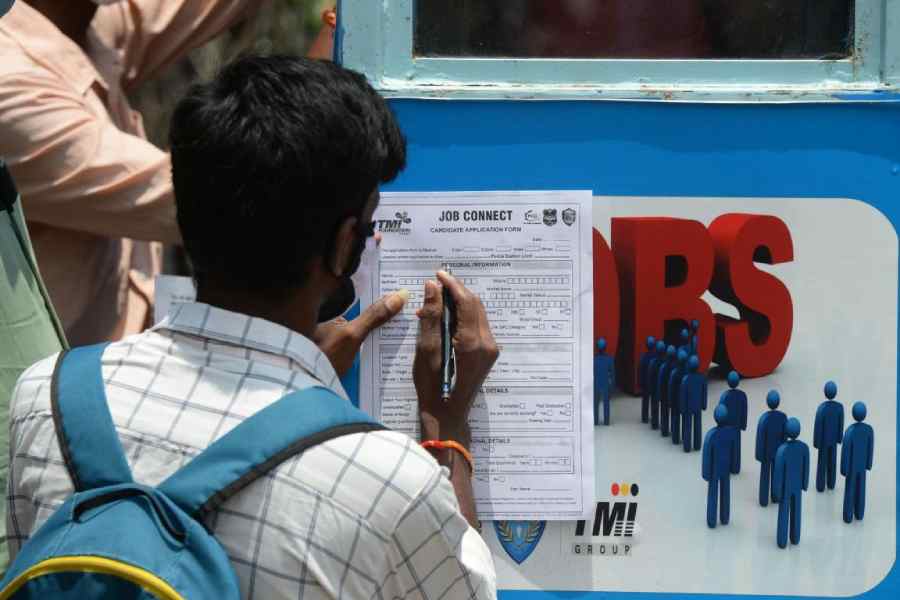
Unbridled competition from richer farmers and industry, productive land, agriculture and fisheries often put the poor at a serious disadvantage. The implementation of national food policies (through subsidies, taxes, tariffs, food aid etc.) can distort markets and marginalize the rural poor; and inadequately organized and non pro-poor international trade liberalization can exacerbate this. Because of the difficulties poor families face in accumulating any surpluses ? food or financial ? they find it difficult to maintain consumption when their incomes are interrupted or their crops fail. The poor are excluded from many life-saving and livelihood opportunities, either because of inadequate provision of basic community services by local authorities ? healthcare, transport, education and training, emergency services (e.g. fire-fighting) and law enforcement ? or their inability to pay for these services...

A growing problem...is the increasing competition for freshwater between agriculture and urban and industrial uses, causing tension between rural and urban areas and possibly threatening regional or national food security. In fact, nearly all malnutrition and low food yield problems are found in low-income countries in the tropics, where water scarcity in relation to food, people and the environment are at their greatest. The four principal demographic risk factors currently challenging humanity ? (1) the increasing percentages of young adults, (2) rapid urbanization, (3) reduced availability of freshwater and cropland for food production, (4) HIV/AIDs ? rarely occur singly. More usually they occur in combination and coupled with other obstacles, such as weak institutions, unresponsive governments and historic ethnic tensions. The resulting challenges to the leadership of governments can reduce the ability of countries to function effectively...

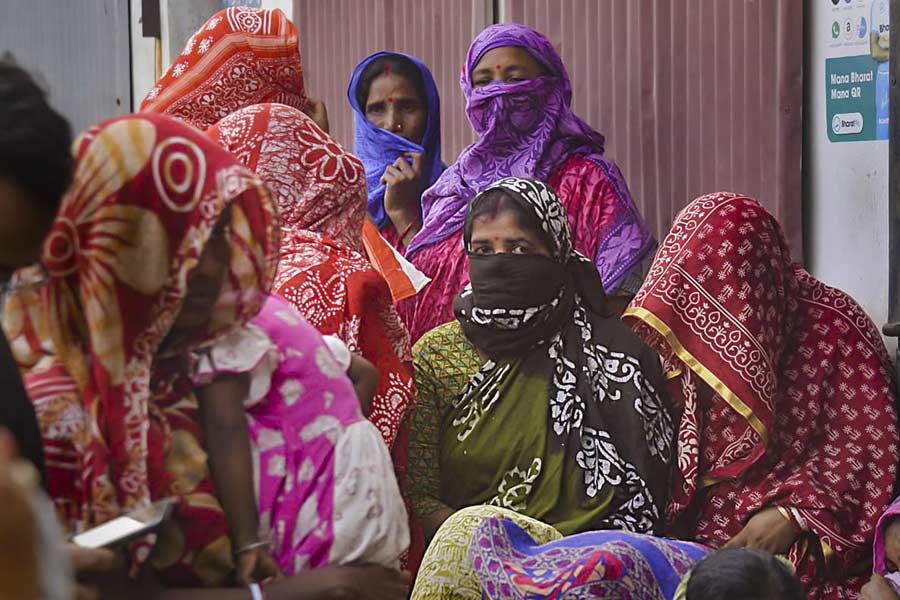
A particular problem of recent rapid population growth is the so-called ?youth bulge?, where young people between the ages of 15 and 30 represent over 40 per cent of the total adult population...Access to a reliable nearby source of water provides relief from the burden of carrying water from distant springs and wells, freeing up time for livelihood activities and, in the case of girls, for school attendance. Having enough water to cover drinking and domestic hygiene needs promotes better health and well-being. Sanitation facilities help to ensure the safe disposal of human waste and reduce disease and death. Adequate water supplies improve the prospects of new livelihood activities...and are often a key step out of poverty.

In many lower-income countries, large parts of the population depend on agriculture for their basic livelihood. Others, living in great poverty on marginal land, struggle just to survive. Access to reliable water sources, under the control of the people concerned, reduces crop-loss risks and leads to the possibility of accumulating surpluses and the chance to invest in more intensive agriculture...

Top
Email This Page