|
|
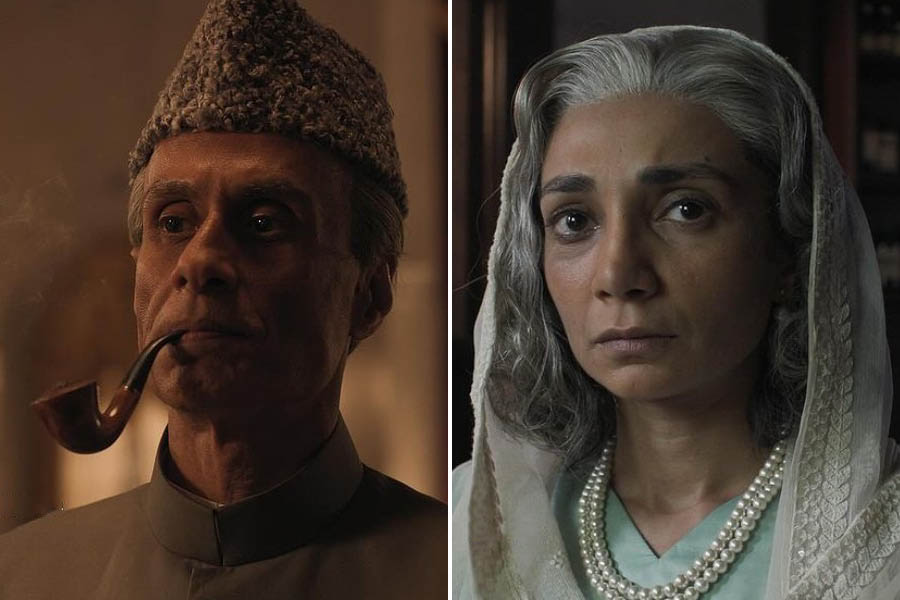
Aamir with NBA activists in Delhi on Friday
|
Calcutta, April 16: To a request for an interview before the release of Rang De Basanti, Aamir Khan had told The Telegraph in an SMS: This time I am not talking. I hope you understand.
We didnt understand then, but we do now.
For, DJ was not just another character and Rang De was not just another film. If Bhuvan in Lagaan had provided the first glimpse of Aamir the national hero, with Daljit Singh-cum-Chadrasekhar Azad in Rang De, Aamir was ready to awaken a generation.
There are two ways to live your life ? just let things be or do something to change things, his character in Rang De says almost in his death throes.
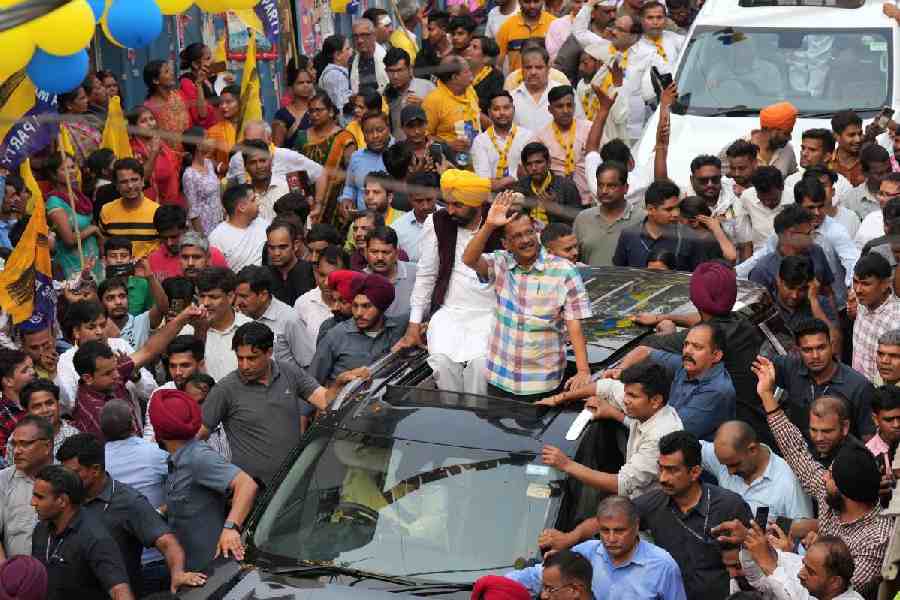
That Aamir was ready to follow the second way beyond the big screen and on the streets became evident on Friday when the superstar came out in open support of the Narmada Bachao Andolan and the Bhopal gas tragedy victims in Delhi.
It is my responsibility to show my support to human beings who are suffering, said Aamir, having rallied Rang De comrades ? director Rakeysh Mehra and actors Kunal Kapoor and Atul Kulkarni ? by his side.
This social activist was a far cry from the chocolate boy hero who stole a million hearts in Qayamat Se Qayamat Tak in 80s. This was a man willing to stand up and be counted, not just as a screen hero but as the champion of a cause.
Just like in his films, Aamir chooses to take up an issue only when he is convinced and not otherwise, feels McCann Erickson creative director Prasoon Joshi, who has not only directed Aamir in Coca-Cola commercials but also penned the lyrics for Rang De and Fanaa.
Agrees Kapoor: Hes not taking up real causes as an extension of his movie; he really believes in them.
This new Aamir was born in the new millennium ? turning slowly but steadily away from the romantic hero on screen and the recluse off it.
No more playing to the galleries as the streetsmart Munna of Rangeela or the righteous ACP Ajay Singh Rathod of Sarfarosh or braveheart boxer Siddharth of Ghulam.
It was Lagaan, in 2001, which changed all that. Aamirs maiden home production not only became one of the biggest blockbusters of Indian cinema, not only made it to the Oscar nomination list, not only introduced him to his future wife (assistant director Kiran Rao), but it changed him from within.
The Raja Hindustani of romance (Jo Jeeta Wohi Sikandar, Dil, Hum Hain Rahi Pyar Ke?) had finally found his real screen persona ? the nationalist hero.
Thats what he has been thinking of late, reveals Mehra. His choice of films reflects what he is feeling about society and the country at large.
So, if it began with the villager who challenges the colonial power in Lagaan and ends up on the winning side, it moved on to the sepoy who stands up to the British army in Mangal Pandey ? The Rising and is crushed, but not before sparking a revolution.
Even in the battle at Barrackpore, Aamir caught a glimpse of todays Baghdad. America is the superpower economically exploiting different countries and yet having peacekeeping forces in different countries? The East India Army had exactly that. These political overtones of the film are resonating today, he had told The Telegraph while promoting Mangal Pandey.
Aamir the tragic hero then took a jump from 1857 to 2006, this time as Daljit, a happy-go-lucky DU student who becomes the harbinger of change in the capital of political corruption.
After a select screening here, Aamir had said: It was important that I died at the end of the film. The sense of patriotism that you are feeling now got heightened because of the death of my character.
Now, its time for Aamir Khan the actor to die another day on screen, as a man on a mission in Fanaa.
And off screen, its time for the rising of Aamir Khan the activist.
|