TT Epaper LHS
The Telegraph
TT Mobile
 
 
IN TODAY'S PAPER
WEEKLY FEATURES
CITY NEWSLINES
FEEDS
  RSS
  My Yahoo!
SEARCH
 
Archives Web
 
ARCHIVES
Since 1st March, 1999
 
THE TELEGRAPH
 
CIMA Gallary
 
Email This Page
WEEPING WILLOW

Will he? Won’t he? Can he? Can’t he? Should he? Shouldn’t he? The (world) cup of speculation runneth over. Sachin Tendulkar ? the poster boy of Indian cricket ? has triggered some fervid petal-plucking. Is he about to hang up his branded sneakers? Is the man once known as Ton-dulkar set to retire? Or is he coming right back for the 2007 World Cup?

Ever since Sunday, when news broke that the master blaster’s right shoulder was beginning to show signs of giving way under immense pressure borne over 16 cricketing years, a debate has raged on whether or not the former Indian skipper is going to call it a day. Cynics have begun to write him off ? isn’t a ‘posterior labrum tear’ of the shoulder, coupled with a ‘tennis elbow’ suffered only 10 months ago, enough to indicate that it’s time for the curtains to come down on an otherwise glorious innings on the pitch? Admirers aren’t ready to buy that logic, though, and are convinced that the idol’s willow isn’t done with its share of talking yet.

Next month, Tendulkar turns 33 ? which, by no stretch of imagination is seen as young in the cricketing world. That his health is not what it used to be is equally evident. Surgery is being considered and the possible after-effects of English surgeon Andrew Wallace’s scalpel are being given serious thought in cricket’s administrative circles. And not many would deny the fact that Tendulkar has, indeed, begun to show signs of ageing on the pitch. The trouble with Tendulkar ? or, perhaps, with the legion of fans that surrounds him ? is that while he may well be an indifferent player now, he continues to be a legend. Describing him as a has-been is almost like accusing Lata Mangeshkar of singing out of tune. This, after all, is the man that Don Bradman once hailed as his modern incarnation. And this, let’s not forget, is the man who hit 74 international centuries, including a scintillating 35 Test hundreds.

But as the cynics ? and these are probably the same people who have been urging Lataji not to sing anymore ? point out, it’s been quite a while since he last hit a century. Barring a ton against Sri Lanka on December 10, his recent show has been disappointing, and he hasn’t been able to infuse much inspiration into the Indian team, as coach Greg Chappell optimistically thought he would, through his batting.

It wasn’t always like this. An advertisement for Amul butter once featured a one-liner that said “Ten Du, Ten Don’t”, a succinct representation of the then abject performance of the Indian batting line-up in stark contrast to the then lone and heroic efforts made by the Mumbaikar.

Now bowlers the world over have identified his weaknesses, and even rookie pacers know that it takes little more than a short delivery to floor the maestro. Not surprisingly, Tendulkar’s lack of performance has caused some rumblings in the world of cricket commentators. A few brave speakers ? including some former cricketers ? are openly baying for his blood.

But, then, just when a performance has been particularly abysmal, somebody or the other remembers the many wonderful moments he treated the global audience to in the years gone by. Still averaging an envious 55.39 in Tests and 44.20 in one-dayers, Tendulkar ? adjudged “Wisden” cricketer of the year during his prime in 1997 ? has often bailed his team out of one crisis or the other.

It is this strength of his to stand up against all odds that many feel would help him stage a comeback in the international scene. And not every expert thinks that the shoulder injury will impact his playing career substantially. “It’s a minor thing and can happen to anybody,” says S.P. Mandal, a Delhi-based orthopaedic who has treated the player in the past. “He’s a heavily-taxed cricketer, after all, and a thorough investigation followed by proper treatment should get him fighting fit.”

Kapil Dev, Mandal points out, had similar surgery conducted on his knee and recovered to play on for many more years. “So there’s no reason why a labrum tear should come as a body blow to Tendulkar,” he reasons. “It’s a very common problem with sports persons.”

The medical prognosis may be full of cheer but not everyone believes Tendulkar is still as high on self-confidence as he used to be in the days of yore. “He hasn’t lost his skills, but he has lost belief,” says Ashish Shukla, a sports writer who, along with Peter Murray, co-authored the 2002 book Sachin Tendulkar: Masterful. “After all, a player can make runs only if he believes he can. That’s where Tendulkar has begun to falter, and along with his form is now in the throes of a serious crisis. All of a sudden, the demi-god has started looking mortal.”

But all said, Shukla feels the operation will stand him in good stead, and that if there is a time when it has to be done, it is now. “After all, missing the forthcoming schedules against England and the West Indies will definitely not cost India more than the Champions Trophy or the World Cup next year,” he reasons.

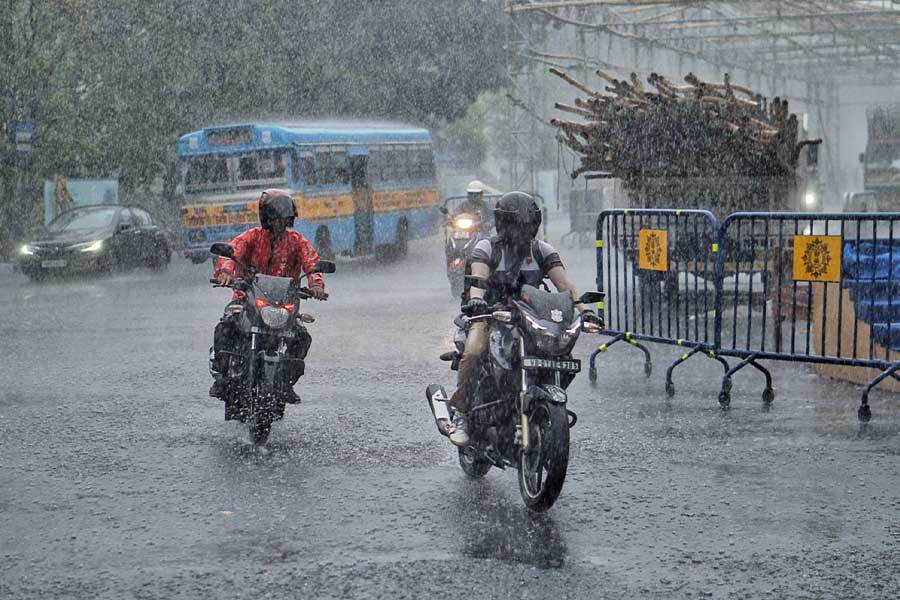
Whether Tendulkar will keep on shining till then is a matter of serious conjecture. But like brief spurts of shower that herald the coming of a dreary monsoon, a creaky shoulder and a nagging elbow are perhaps indications that it may not be long before the giant is forced to call it a day, owing to the test of time. It is only desirable that the arduous innings draws to a close in a blaze of glory, whenever that maybe.

Top
Email This Page