|
 |
| President George W. Bush and his Russian
counterpart Vladimir Putin |
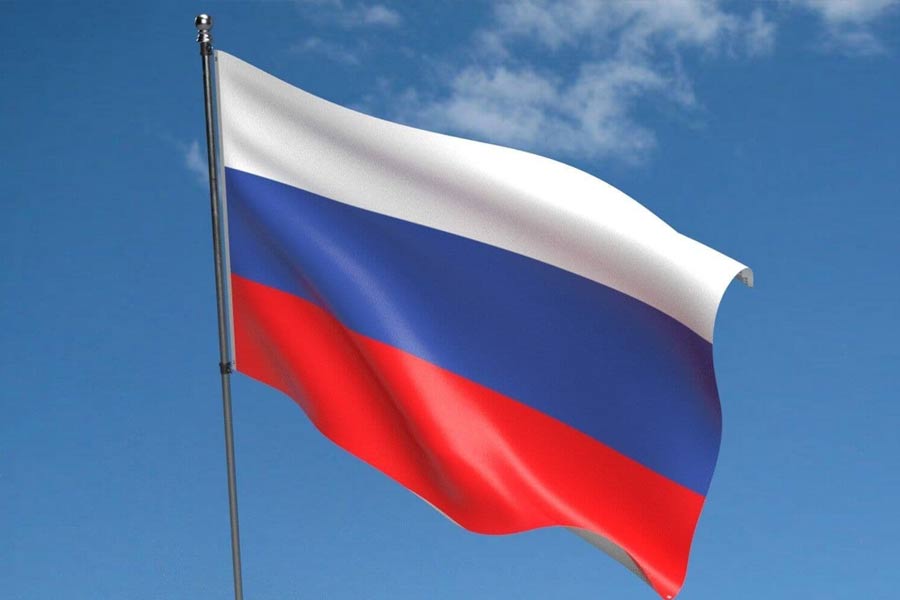
Washington, March 15: Russias decision to supply fuel to the safeguarded units 1 and 2 of the Tarapur Atomic Power Station is the first tangible benefit for India of its nuclear deal with the Bush administration.
International reaction to the Russian shipment will also enable both New Delhi and Washington to fashion their joint strategy on bringing round the 45-nation Nuclear Suppliers Group (NSG) to accept Indias unique role within the nuclear club.
Contrary to sensational reports in sections of the media about Washingtons disapproval of the latest Indo-Russian agreement on Tarapur, the US has so far been non-committal about Moscows aid in continued operations of the two Tarapur units.
I dont have the details. I havent seen any sort of official statements of the deal, the US state departments deputy spokesman, Adam Ereli, said, trying to dodge questions about the Russian decision disclosed yesterday.
Subsequently, he added the US has a very forward-looking and really history-making initiative on Indias nuclear programme, to separate the military from the civilian, and to bring India into compliance with NPT obligations and work based on that with a Nuclear Suppliers Group to give it access to the kind of fuel supplies that its looking for.
Ereli pointed out that within that broad context, we recognise that there might have need ? that they have need for fuel. And we think that deals to supply that fuel should move forward on the basis of a joint initiative, on the basis of steps that India will take that it has not yet taken.
Such a mild, almost agreeable reaction to the Russian decision is in sharp contrast to the state departments reaction five years ago, when the Russians last supplied fuel to Tarapur.
At that time, Erelis predecessor, Philip Reeker had said: We deeply regret that the Russian Federation has shipped nuclear fuel to the Tarapur power reactors in India in violation of Russias non-proliferation commitments.
Then, the state department went further in calling on Russia to cancel this supply arrangement and live up to its non-proliferation obligations.
Washington also warned Moscow that Russias provision of sensitive technologies to other countries will be an important item on the US-Russian agenda of the Bush Administration.
Reekers statement said that Russias disregard of its NSG commitments... raises serious questions about Russias support for the goal of preventing nuclear proliferation.
In 2001, too, Russia had cited the safety exception clause of the NSG guidelines to feed Tarapur.
The NSG then had 34 members and 32 of them opposed the Russian decision. At a special meeting of the group shortly before the fuel reached Tarapur, all these 32 countries declared that Moscows plan was inconsistent with its commitments to the NSG.
After the shipment, several European members of the group made demarches to Russia protesting against its action.
This time too, Russia has notified the NSG of its decision to refuel Tarapur, but, so far, there has been no significant opposition from the group.
If the situation remains unchanged after the shipment, it is a good augury for Indias desire to change the NSG rules as a follow-up to the Indo-US nuclear deal.
Meanwhile, notwithstanding the Bush administrations commitment in its July 18, 2005, joint statement with India to encourage Americas partners to consider supply of fuel expeditiously to Tarapur, Washington is unlikely to come out and openly support Moscow.
On the contrary, as a strategy against inflaming passions in the US Congress which is about to consider the nuclear deal, the Bush administration may even express reservations against the Russian supply until American laws and the NSG guidelines are changed in New Delhis favour.
|