TT Epaper LHS
The Telegraph
TT Mobile
 
 
IN TODAY'S PAPER
WEEKLY FEATURES
CITY NEWSLINES
FEEDS
  RSS
  My Yahoo!
SEARCH
 
Archives Web
 
ARCHIVES
Since 1st March, 1999
 
THE TELEGRAPH
 
Anandabazar
 
Email This Page
Tech home truths for ?sleeping? colleges

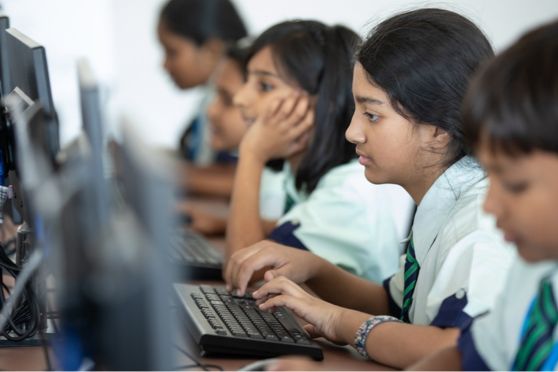
Ranchi, Feb. 5: Engineering colleges and technical institutes with poor infrastructure, and which are cheating students, will be closed down soon, according to the head of technical education in India.

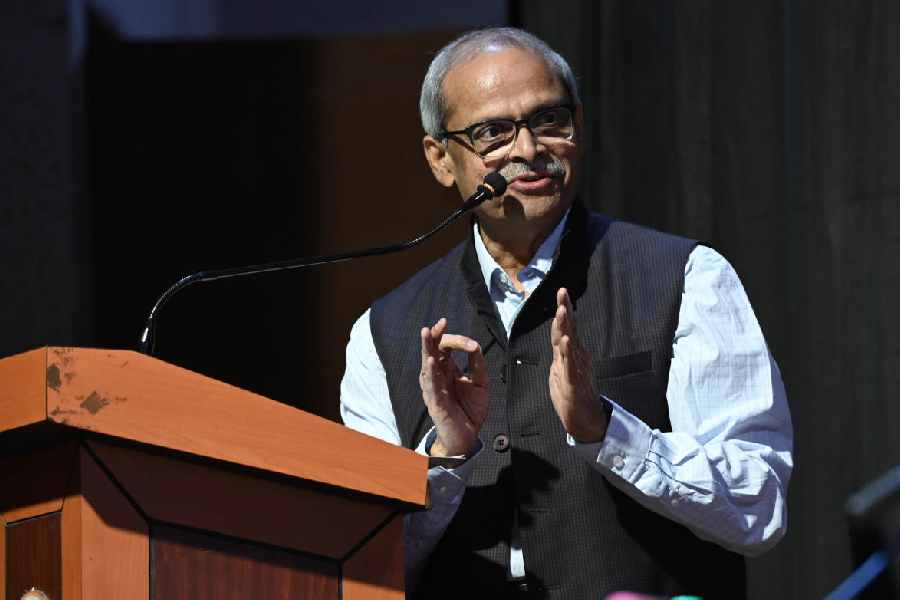
?Quality, not quantity, is the need of both Indian multinationals and other countries. We, at All India Council of Technical Education (AICTE) will replace regular inspection of institutes with surprise ones, so that colleges sleeping over students? career and cheating them are shut down,? said Damodar Acharya, AICTE chief.

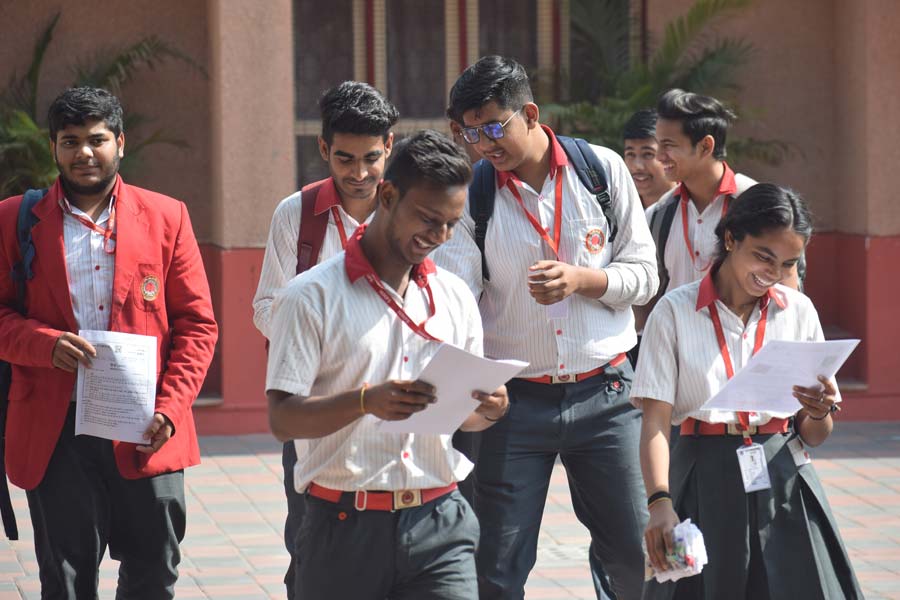
He won an unprecedented long spell of applause here today for presenting a realistic account of the state of affairs in technical education in India. Acharya was addressing around 2,088 technical degree holders at the 16th convocation of the Birla Institute of Technology, Mesra.

Stressing how quality was more important than quantity, Acharya gave an example, ?When a leading software company in the country trained 100 each of Chinese and Indian personnel, offering each group similar training module and facilities, it found 85 of the former securing A-plus grade while only 15 of their Indian counterparts managing the same grade.?

Another stunning revelation of his was that, of the three lakh technically trained degree holders in the country, only 30 per cent were worthy of getting a job and another 30 per cent fit to be trained.

Equally alarming, he said, was the fact that enrolment in the science stream was falling sharply, which explained the lack of quality input to technical education. ?The decrease in quality of intake at B.Sc, M.Sc and Ph.D level is responsible for poor output of science and mathematics teachers. This explains the decrease in quality of Plus Two education,? Acharya said.

He lamented that technical education was facing acute shortage of qualified faculty.

?In engineering alone, the demand is for 1.20 lakh teachers, but the system today has hardly 7,000 Ph.Ds, 20,000 M.Techs and rest, fresh B.Tech degree holders. This is mainly because graduates consider teaching the last career option,? he said. ?Probably that also explains why around 30,000 seats remain vacant in technical institutes, with 1.5 lakh students going abroad for higher education,? he added.

Terming ?the entire world as an employment market for today?s graduates?, he lamented, ?Our curriculum, syllabus and teaching-learning process are not helping produce graduates who can meet global requirement.?

Governor and chancellor of the universities of Jharkhand Syed Sibtey Razi said in Jharkhand the government is active towards implementation of World Bank-sponsored technical education quality improvement programme and leading institutions like BIT have a larger role in implementing these programmes.

BIT vice-chancellor S.K. Mukherjee said there were more than 10,000 students on the rolls of this institute and its extension centres. Tie-ups with foreign universities and IT companies, good campus placements and awards to faculty members were some of the significant achievements of BIT in the last one year.

Top
Email This Page