TT Epaper LHS
The Telegraph
TT Mobile
 
 
IN TODAY'S PAPER
WEEKLY FEATURES
CITY NEWSLINES
FEEDS
  RSS
  My Yahoo!
SEARCH
 
Archives Web
 
ARCHIVES
Since 1st March, 1999
 
THE TELEGRAPH
 
CIMA Gallary
 
Email This Page
Russia, Ukraine deal to end crisis

Moscow, Jan. 4 (Reuters): Russia and Ukraine reached a face-saving deal today in a bitter gas dispute which hit supplies to Europe and cast doubt on Moscow’s reliability as a safe supply source.

The EU welcomed the five-year pact but still held talks to discuss energy security after the sudden reduction over the New Year of Russian deliveries, which cover a quarter of the continent’s needs.

The accord calms tensions between the ex-Soviet neighbours which peaked on January 1 when Russia’s state gas monopoly Gazprom cut deliveries to Ukraine to press its demand for a four-fold hike in export prices.

European consumers suffered a sharp, two-day drop in deliveries of Siberian gas pumped westward across Ukraine, before full pipeline pressure was restored.

“We have reached a final agreement,” Gazprom chief executive Alexei Miller said after crisis talks in Moscow with Ukrainian officials. “This agreement will ensure stable supplies to Europe.”

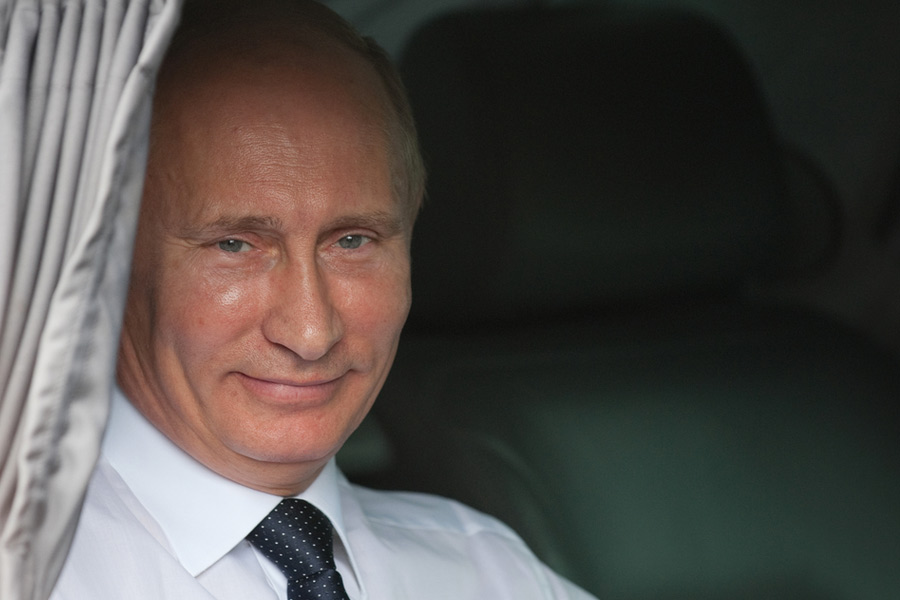
Russian President Vladimir Putin said the deal would secure stable long-term export supplies for Europe.

“This creates stable conditions for Russian gas supply to European customers for many years ahead,” Putin said.

Details were sketchy, but Miller said the deal was effective from January 1 and based on a price of $230 per 1,000 cubic metres of gas. That is up from the $50 Ukraine had paid under an existing cut-price deal.

But, after mixing in extra supplies from the Central Asian states of Turkmenistan and Kazakhstan, Kiev will pay an average gas import price of $95 per 1,000 cubic metres, both sides said. Ukrainian Prime Minister Yuri Yekhanurov welcomed the deal but said his country would have to work to reduce its dependency on Russian gas. “It was a serious lesson for us,” he said in Kiev.

Importantly for the supply security of major consumers such as Germany, France and Italy, the two sides agreed to increase fees for gas transit Russia pays to Ukraine, the route taken by 80 per cent of Russian gas pumped to European consumers.

Moscow’s hardball tactics reflect a new assertiveness on the part of President Vladimir Putin, who has presided over a dramatic recovery in Russia’s economic fortunes after the financial crash of 1998.

But Oleksander Dergachev, an independent Ukrainian analyst, said Russia’s plan had failed. “It is obvious that the Russian attempt to destabilise Ukraine economically and politically was not successful,” he said.

“It is clear that Russia is stronger than Ukraine, that it owns the resources and that Ukraine has no real energy sovereignty, but Russia did not succeed in making its will felt.”

The US and Europe are concerned that Russia is using gas as a geopolitical weapon to punish Ukraine’s pro-western president, Viktor Yushchenko, who was swept to power in the popular “Orange Revolution” of 2004.

Officials from the EU's 25 member states met in Brussels to discuss the gas crisis and how to deal with potential future supply threats. Neither Russia or Ukraine attended.

Top
Email This Page