TT Epaper LHS
The Telegraph
TT Mobile
 
 
IN TODAY'S PAPER
WEEKLY FEATURES
CITY NEWSLINES
FEEDS
  RSS
  My Yahoo!
SEARCH
 
Archives Web
 
ARCHIVES
Since 1st March, 1999
 
THE TELEGRAPH
 
CIMA Gallary
 
Email This Page
TO BE HEALTHY, WEALTHY AND WISE

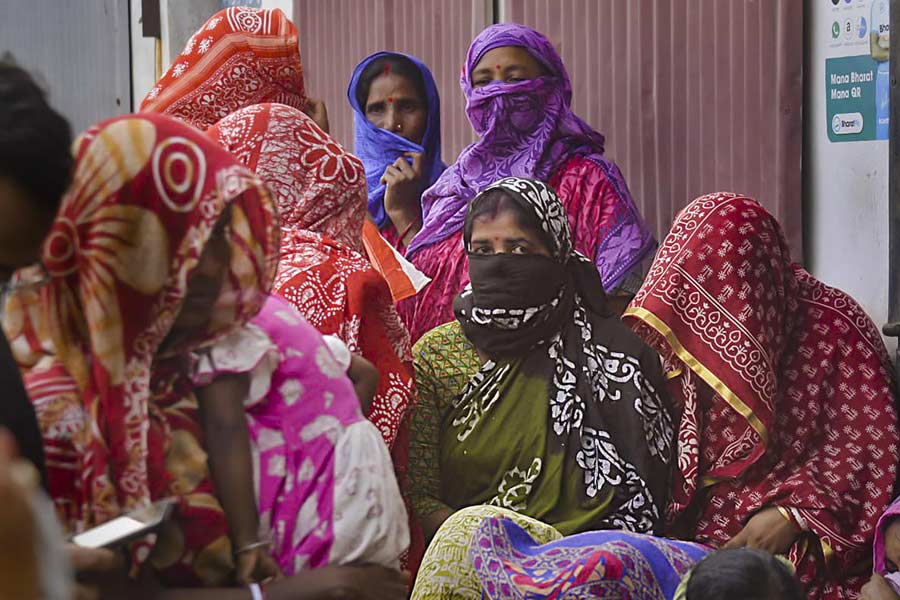
Gender inequalities continue to limit girls? education. Even with the narrowing of gender gaps, girls can expect to receive one year less of education than boys in African and Arab states and two years less in south Asia. In 14 African countries, girls represent less than 45 per cent of the primary school population. In Pakistan they represent just 41 per cent ? gender parity would put another 2 million girls in the country in school. In the developing world as a whole, primary school completion rates are 75 per cent for girls but rise to 85 per cent for boys. Gender disparities are even wider at the secondary and tertiary levels. These deep gender disparities represent not just a violation of the universal right to education but also a threat to future human development prospects: girls? education is one of the most powerful catalysts for social progress across a wide range of indicators.

...For most of the past 40 years, human capabilities have been gradually converging. From a low base, developing countries as a group have been catching up with rich countries in such areas as life expectancy, child mortality and literacy. A worrying aspect of human development today is that the overall rate of convergence is slowing ?and for a large group of countries divergence is becoming the order of the day.

In a world of already extreme inequalities, human development gaps between rich and poor countries are in some cases widening and in others narrowing very slowly. The process is uneven, with large variations across regions and countries. We may live in a world where universal rights proclaim that all people are of equal worth ? but where you are born in the world dictates your life chances...

...Leading a long and healthy life is a basic indicator for human capabilities. Inequalities in this area have the most fundamental bearing on well-being and opportunities. Since the early 1990s, a long-run trend towards convergence in life expectancy between rich and poor has been slowed by divergence between regions linked to HIV/AIDS and other setbacks.

Viewed at a global level, the life expectancy gap is still closing. Between 1960 and today, life expectancy increased by 16 years in developing countries and by 6 years in developed countries. Since 1980, the gap has closed by two years. However, convergence has to be put in context. All but three months of the two years? convergence since 1980 happened before 1990. Since then, convergence has ground to a halt, and the gaps remain very large. The average life expectancy gap between a low-income country and a high-income country is still 19 years. Somebody born in Burkina Faso can expect to live 35 fewer years than somebody born in Japan, and somebody born in India can expect to live 14 fewer years than somebody born in the United States.

Life expectancy is also an indicator of how healthy you can expect to be. One way of measuring risk is to assess the level of avoidable mortality ? the excess risk of dying before a specified age in comparison with a population group in another country. With the high-income country average as a point of comparison, over half of mortality in developing countries is avoidable. Adults aged 15-59 account for just under one-third of all deaths in developing countries but only one-fifth in developed countries. The large health inequalities ...draw attention to... the ?law of inverse care?? the availability of medical care is inversely related to need. Health financing inequalities are central to this law. Per capita spending on health ranges from an average of more than $3,000 in high-income Organization for Economic Co-operation and Development countries with the lowest health risks to $78 in low-income countries with the highest risks and to far less in many of the poorest countries.

Top
Email This Page