|
|
Shivraj Patil and former Chinese vice-foreign minister Lu Xuching offer tributes to Mahatma Gandhi at Chaoyang Park in Beijing on Friday. (PTI)
|
Beijing, Sept. 9: Home minister Shivraj Patils visit here marks yet another step in the wary tango China and India have been dancing since Atal Bihari Vajpayees ice-breaking trip to China in 2003 as Prime Minister.
Patil and his Chinese counterpart, Zhou Yongkang, the minister for internal security, signed a memorandum of understanding for bilateral cooperation in combating terrorism, preventing drug trafficking and sharing experiences and information on security-related issues.
Patil also had a 40-minute meeting with Chinese Premier Wen Jiabao and unveiled a statue of Mahatma Gandhi in Beijings historic Chaoyang Park, before heading to Shanghai where he will visit police training facilities.
If the erecting of a statue to Gandhi seems ironic as Chinas icon Mao Zedong had once said power flows from the barrel of a gun, the signing of a security-related MoU between Delhi and Beijing seemed more surprising.
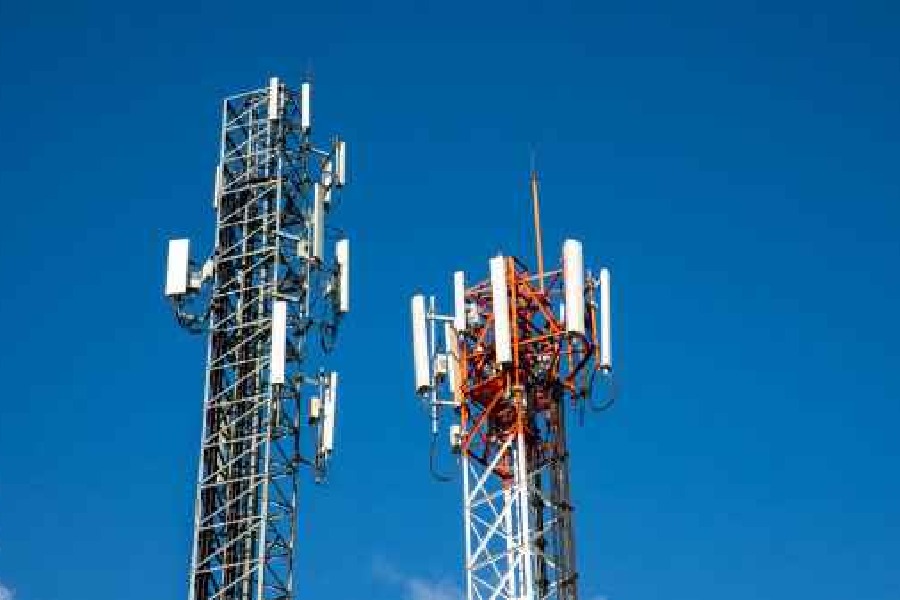
Just last month, several Indian think-tanks and Patils own intelligence agencies warned that Chinese intelligence agencies were trying to expand their operations in India. The most publicly known incident involved the Chinese telecom company Huawei Technologies, which has a subsidiary in Bangalore.
In 2001, US intelligence had reportedly tipped off Delhi about Huaweis bid to infiltrate Indias telecom infrastructure and last month the Research and Analysis Wing expressed reservations regarding the companys links with the Chinese military.
A recent Research and Analysis Wing report said that in view of Chinas focus on cyber warfare, there is a risk in exposing our strategic telecom network to the Chinese. Consequently, Huaweis India expansion plans estimated at $60 million have been put on hold by Delhi.
India also tightened its process for issuing visas to Chinese citizens, prompting a public protest by Chinese ambassador Sun Yuxi.
However, Huawei and concerns that China or China-based arms dealers might be supplying insurgents in Indias Northeast were distinctly off the agenda during Patils visit.
We want to focus on the positive not the negative, said Patil. Between any two large countries there are many issues. We have problems and we want to solve the problems by understanding each other, persuading each other.
The home minister also emphasised that reports China was supporting insurgency in India were only the view of private think-tanks and not the government.
The MoU Patil signed was billed as an intelligence sharing deal, but the final agreement only referred to the sharing of information and experiences related to terrorism and cross-border crimes.
Neither Patil nor home secretary Vinod Kumar Duggal, who spoke to journalists over tea at the leafy, colonial-era Indian embassy building, gave any indication of whether a genuine intelligence sharing pact could be signed soon.
According to analysts, the steps India and China have recently been taking to heal old wounds have increased with Chinas desire to join the South Asian Association for Regional Cooperation and Indias desire to join the Shanghai Cooperation Organisation.
|