TT Epaper LHS
The Telegraph
TT Mobile
 
 
IN TODAY'S PAPER
WEEKLY FEATURES
CITY NEWSLINES
FEEDS
  RSS
  My Yahoo!
SEARCH
 
Archives Web
 
ARCHIVES
Since 1st March, 1999
 
THE TELEGRAPH
 
CIMA Gallary
 
Email This Page
Drugs giant plonked into insulin dock

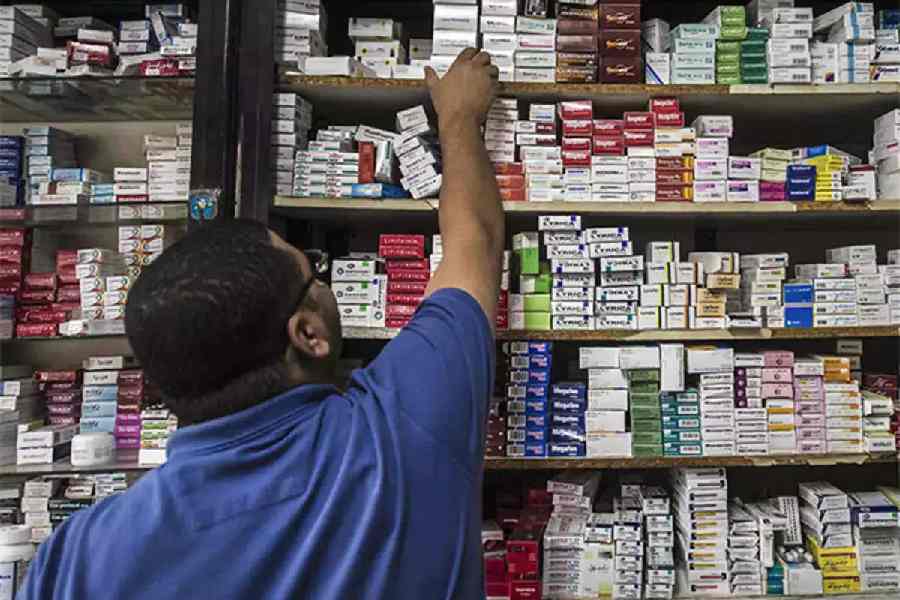
New Delhi, Aug. 29: A special CBI court has framed criminal charges against the Indian subsidiary of the US pharmaceuticals giant Eli Lilly, saying it had marketed substandard insulin.

The decision by a special judicial magistrate for the CBI earlier this month follows three years of police investigations that began when a patient in Agra became unwell after receiving an injection of insulin marketed by Eli Lilly.

The concentration of insulin in the vials is allowed to range between 95 and 105 international units (IU) per millilitre.

Police had seized two vials from the patient’s home and six from a drug stockist. Tests at Calcutta’s Central Drugs Laboratory revealed that a vial taken from the patient contained 70.38 IU and another from the stockist had 92.7 IU of insulin.

The police had seized the vials in July 2002, but the test result from the Calcutta laboratory arrived in November 2003. An industry expert said breaks in refrigeration during those 15 months might explain the test results.

The company’s literature makes it clear that insulin should be stored at temperatures ranging between 2 and 8 degrees Celsius.

Eli Lilly approached Allahabad High Court seeking quashing of the criminal proceedings initiated by the police. The court in October 2002 ordered the case to be handed over to the CBI. Eli Lilly then approached the Supreme Court with a petition challenging the high court order.

But the Supreme Court dismissed it, saying it saw “no reason to interfere”.

After its own investigation, the CBI had filed a “closure report” that absolved Eli Lilly of any liability. The CBI report cited a medical expert at the All India Institute of Medical Sciences as saying the paralysis suffered by the patient after receiving the insulin could not be attributed to the drug.

But on August 2 this year, the special CBI court rejected the closure report and ordered the prosecution of company officials for marketing a substandard drug under Section 27 of the Drugs and Cosmetics Act and for dishonesty under Section 420 of the Indian Penal Code.

A senior Eli Lilly India spokesperson declined to comment, but said the company had not received similar complaints about any of the other vials in the batch.

This batch of 100 IU insulin manufactured in Lilly’s plant in France had 90,000 vials and 22,000 landed in India. At least 100 were sold in Agra alone, including those used by the patient.

After the complaint from Agra, the company had tested “dozens of vials” from this batch picked up at random from the city and other places in Uttar Pradesh and from the company’s in-house samples in France and found nothing wrong with any of them. “We haven’t had complaints from anywhere else in the world,” the spokesperson said.

Drug industry analysts, however, said the company should also have offered vials for independent analysis.

“It is strange that a company facing criminal charges did not bother to get a single vial tested in an independent government lab acceptable in courts,” said Chandra M. Gulhati, editor of Monthly Index of Medical Specialities India, an independent drugs information journal.

A commentary on the insulin case will appear in the journal tomorrow. “It’s impossible to prove the patient’s paralysis was caused by the insulin, but selling a substandard drug is a crime irrespective of whether it actually causes harm to a patient,” said Gulhati.

Top
Email This Page
 
 
Biz2Credit Bizsense