|
|
The likes of Liu Xiang will strive to put China atop the 2008 Beijing Olympics
medals table |
Corporate India soars high after the QI results. The euphoric winds of change brought about by the opening of the economic sluice gates of dammed Indian talent and enterprise have swept across the world. Indias meteoric rise has earned recognition, respect and adoration internationally.
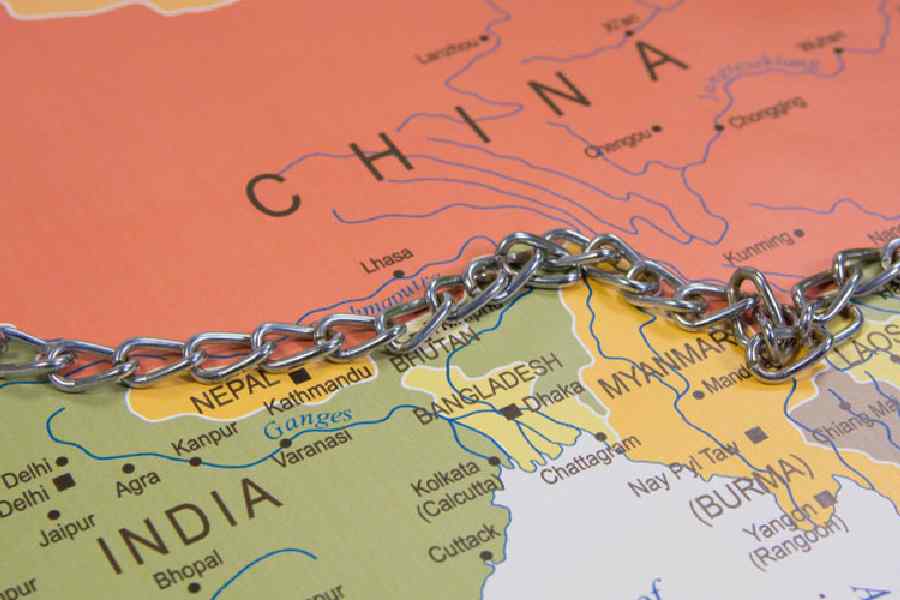
You may ask what has all this got to do with sport? It is to draw attention to the sharp contrast of the economic boom with the happenings in sport, which are nothing short of tragic. While we are hot on the heels of China in the economic race, in sport we are a non-starter. China is hosting the 2008 Olympic Games and will surely be a hot contender to top the medals table. I do not know how the Great Helmsman would have responded to the billions his followers are flinging into sport, but China has been quick to grasp the significant global impact of a great sporting nation.
In Indias pursuit for economic growth, sport has been totally forgotten. Basic sports facilities, which were never adequate, have been swamped by the burgeoning growth in population. The understandable obsession of parents to educate their children and the high percentages required to get admission into college ? coupled with, in most cases, a total absence of facilities ? has totally destroyed sporting activity in the schools and colleges.
Corporate India and the government are becoming increasingly aware of the great power of sport. The Confederation of Indian Industry is reported to have asked leading industrialists to take up the promotion of one sport each, while the government has stepped up support with awards and increase in budgets. These, unfortunately, are knee-jerk reactions to the success of individuals.
Their efforts are laudable but hopelessly inadequate. Sadly, they have failed to grasp conceptually the magnitude of the financial requirement and the importance and power of sport.
Our greatest asset is our huge population and we have to take advantage of it. There is no point in bemoaning the absence of medal winners when only a decimal of one per cent has access to sports facilities. It is futile to think that periodical handouts and a handful of sporadic sponsorships, mostly meagre and late, by commercial houses and the government will make India into a great sporting nation.
It is heartbreaking to see teary-eyed world-class performers on the television appealing for sponsorships while some others complain about late and inadequate receipt of sponsorship money. The current conditions are suffocating those who have reached the world class stage.
One does not have to be a management guru to know that for any venture, successful implementation requires (a) a plan (b) infrastructure (c) finance and (d) administration. If there is a master plan for sport, it has never been mentioned and we are all blissfully unaware of it. Infrastructure for sport in India, as pointed out earlier, is almost non-existent.
Finance sanctions by government are totally inadequate. The administrative side of sport is perhaps the weakest link and not geared up to the demands of modern times. The administrators are the state associations and the sports ministry in tandem with the Sports Authority of India. It goes without saying that dual control, with, at times, political intervention is not the best way of running any venture.
How can sport thrive and grow under such conditions? Who is in charge of sport in India, is the baffling question. Who is responsible to the nation?
The two most successful systems in world class sport have been (a) totally state-run with dictatorial discipline (China, formerly Russia, East Germany) and (b) the American system of developing talent through schools and colleges.
Results over time have proved that the American system is the best. However, it requires the economic support of a booming consumer-oriented society, and sportsmen of a standard which would attract television viewers on a national scale.
Long-entrenched systems cannot change overnight in a democratic country such as ours. But there cannot be anything but unanimity about taking the following steps urgently:
A. The building of basic sport infrastructure such as playgrounds, athletic tracks, gymnasiums, astroturf, tennis courts and so on all over the country. The more the facilities the deeper will be the foundation.
B. Incorporate compulsory sports activities in schools and colleges and give weightage to sport on the education scales specially for admission to colleges.
In the US, the most successful sports nation in the world, the universities at times give 100 per cent scholarship to outstanding talent. Some of our leading Davis Cup players Jasjit Singh, Sashi Menon, Mahesh Bhupathi honed their games to competitive edge in the US inter collegiate system.
C. Liberalise and continue providing support to existing talent, specially those who have achieved world class levels.
With economic liberalisation the corporate world shouted for a level playing field and they have done us proud. Our struggling sportsmen deserve the same. They may not bring billions in wealth but will strengthen character, pride and national integration ? the vertebra of a great nation.
|