|
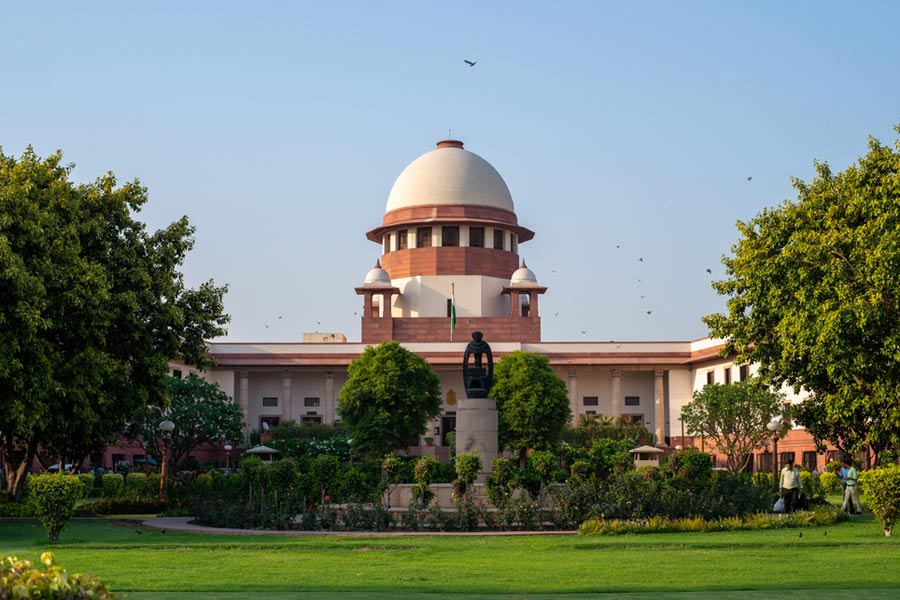
Naxalites once called it a pigsty, a la Lenin. Many of them ? the CPI(ML) and other groups ? have now come home to roost there. For the CPM, too, Parliament was only a public face, while the true face of the party was the organisation. With Brinda Karat and Sitaram Yechury set to take their seats in the Rajya Sabha, the CPM has finally made another, almost historic, break with its past.
The decision to nominate the high-profile politburo duo to the Rajya Sabha suggests a major change in the partys tactical line. For as long as one can remember, the real party bosses were the backroom boys who called the shots from the party offices. Those who were elected to Parliament and state legislatures would play second fiddle to the bosses. The organisational leadership was the ultimate authority. During the 1970s, Jyotirmoy Bosu was the best-known face of the CPM in the Lok Sabha and outside, other than Jyoti Basu. But he was virtually a nobody in the organisation.
Many Alimuddin Street bosses would boast they never needed to enter Writers Buildings. They did not because the leaders at Writers would be led by those in Alimuddin. In fact, the leaders who, in the partys view, were shaping well would often be withdrawn from parliamentary positions and drafted in important party work.
One example was Bengals commerce and industries minister, Nirupam Sen. He served just one term in the Assembly, where he became quite a success, before he was given important party work ? before, of course, he was back in the Assembly.
Not that this supremacy of the organisational bosses over elected leaders did not create problems. Jyoti Basu would often fume at the intransigence of politburo members like Prakash Karat who would throw spanners in his way of running Bengal. Buddhadeb Bhattacharjee may have his differences with Basu, but he shares Basus impatience with the party bosses who do not face elections and the people and would still lord it over the mass leaders.
The problem was built in the CPMs leadership structure. Those at the party centre ? in the states or in New Delhi ? were a unique lot. They ruled, but only on the strength of the leaders who won elections, be in Bengal, Kerala or Tripura. Brinda Karat or Sitaram Yechury are not taking the popular election route to Parliament, but they would still be the most important faces of the latest change in the CPM.
This is not the first time important leaders would be sitting in Parliament. Citu leader E. Balanandan and even A.K. Gopalan had done so in earlier times. Chittabrata Mazumdar, of course, had been in the Rajya Sabha even in the last term. But he was not in the politburo then.
Even so, this is a very different message the party is sending out. Karat and Yechury are the two most popular faces of the party and they have important organisational assignments. In the party congress in April, the CPM set out an agenda for the long-delayed spread in the Hindi heartland. Karat and Yechury have been assigned important roles in that strategy. Having them in the Rajya Sabha could be part of the CPMs strategy to try and work to that agenda.
Add to this the very special situation, in which the CPM has a prime role in the survival of a Congress-led government. The party has never had such a crucial role in the Union government. Yechury and Karat in the Rajya Sabha could serve the interests of both the partys expansion and its influence on the government. It would be different from just being on the coordination committee of the UPA and the Left.
Everything considered, the single most important shift that the duos Rajya Sabha role would signify is the one from so-called mass action to parliamentary action. Party leaders and literature would still talk of the primacy of mass action and class struggle. But the real story of the two politburo stars parliamentary debut is the victory of the parliamentary path for Indias largest communist party.
|