|
|
 |
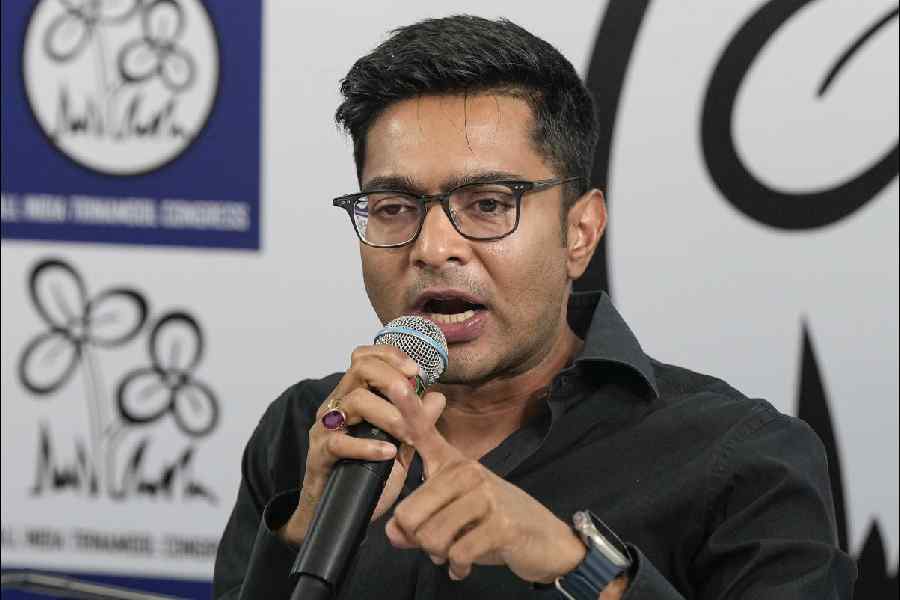
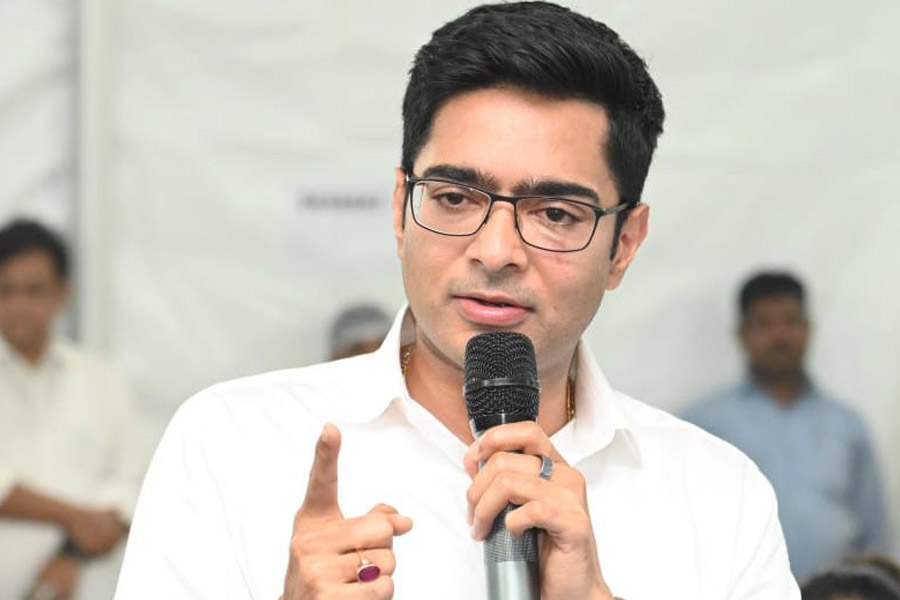
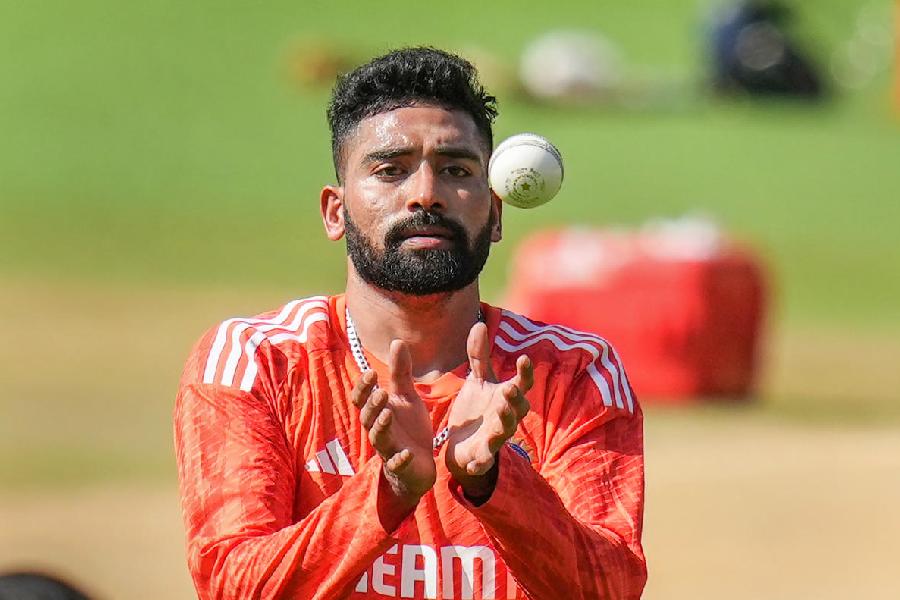
| (From top) Daljit Singh Dhillon, Gagan Ajit Singh
and Kanwalpreet Singh have rightly been disciplined for misconduct |
Three top players of the country have been suspended
for misbehaviour. I would want to call this a disciplining instead, for misconduct.
Without going into the merits of the cases, I would like to emphasise that for
nearly two decades this public show of temper and charging and chasing the umpire
in protest has grown into a new phenomenon.
Also, off-the-ball fights among players, even beyond
match duration, is becoming an epidemic of sorts. It is not restricted to the
top few players or teams. It is also coming into local hockey meets, so much so
that Indian teams ? as I have mentioned many times before ? at all levels are
being branded as the bad boys of world hockey.
For the record, Punjab Police defender Kanwalpreet
Singh was suspended for two years for attacking Deepak Thakur during a domestic
competition last month. Thakur had to be hospitalised. Then star national forward
Gagan Ajit Singh and Daljit Singh Dhillon were suspended for three months and
six months, respectively, for assaulting Indian Oil Corporation player Vikramjit
Singh during the recent national hockey championship in Hyderabad.
What hit people straight in the heart was that all
three have been national stars, so to say.
There was a time when Pakistan, too, were in the same
league. However, after the 1972 Munich Olympic fiasco ? where they showed their
frustration against the umpire?s decision after losing to Germany in the final,
even snatching the silver medals and putting them in their slippers (an incident
I was a stunned witness to) ? they changed.
The whole Pakistan team was banned for a year (later
reduced after top-level intervention and apologies) and they learned a lesson
they did not forget. I sincerely hope that such a day shouldn?t come for India
when they have to learn a lesson in discipline through such an ugly incident.
It really pains me to see Indian players being suspended.
It is simple logic. If you play with ten or nine men, you just can?t win.
This tendency has to be curbed in India itself. And
strict action has to be taken during all domestic tourneys. In that respect, these
suspensions will send the right message to the players and help Indian hockey
at the international level.
I am worried, because the malady has hit juniors as
well. It happened in the last two junior meets, in Lahore and in Kuala Lumpur.
There we lost matches through yellow cards we got because the players misbehaved.
In Kuala Lumpur, in one of the matches, two top players were suspended and consequently
India lost the match.
The IHF has made a good beginning in sending out a
strong message to the hockey players in general. Unfortunately, in one of these
recent incidents the players involved may have brought to field some personal
rivalry: all of them are from Punjab. Despite that, this is a good move.
I do seriously believe that without anger and such
strong passionate emotions, no player is worth his salt to play at the international
level. But how the player channelises such strong emotions is important. Whether
he uses it to charge and chase the umpire, or to charge himself up to bring out
his best to help the team. The later, of course, helps. But if that anger is taken
out on the opponents or the umpires, it not only destroys the player?s own game
but also proves to be negative for the team.
The captain, coach and manager have a very crucial
role in this. I remember some years back, I was manager of the Indian team at
the Azlan Shah meet. Right from the first two matches the Indian team, with all
the stars included, was being branded as the bad boys of the meet. In fact, in
the second match, two players, including the captain got yellow. One of our seniormost
players was walking away off the field with the team.
As manager I rushed to the sidelines and told them
to get back to the ground. Some players said ?how can we play with nine people??
I said you will jolly well play with nine people. We won that match. Later I sent
a clear message to the team: any further charging and chasing of the umpire, and
the player concerned will no more be playing for the country.
I am proud to say today, that with the co-operation
of the players not one more yellow card came to India and we came back with the
Fairplay Trophy.
One must understand that the umpire, too, is human.
If he gets wind that he is treating with a bad bunch, he could even come out with
stiffer penalties than usual.
A player must understand that an international umpire,
in an international arena, will not change his decision once he has given it.
To claim is legitimate, but to protest is not.
The nation?s pride and honour has to be uppermost,
to be accepted internationally and to regain international glory.
|