|
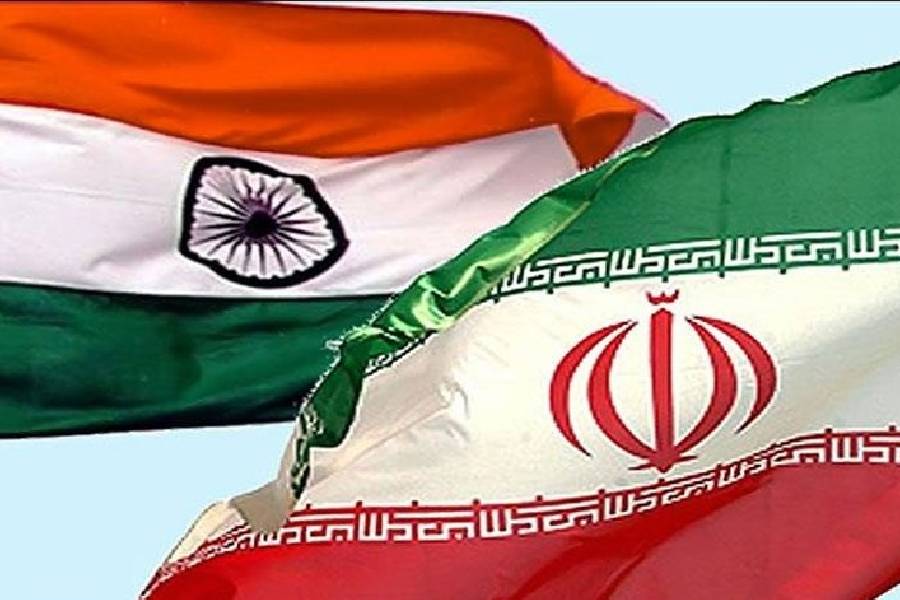
Washington, Feb. 12: In a major break from its policy for 57 years, Pakistan said yesterday that it had come to terms with India?s conventional military superiority in South Asia.
Its recently appointed ambassador in Washington, Jehangir Karamat, said: ?We accept the imbalance which is there between India and Pakistan. What we will do and continue to do is keep that imbalance at a state which we consider manageable from our point of view.?
Karamat?s comments came in one of several interviews he has planned following the start of President George W. Bush?s second term as part of an effort to give a facelift to General Pervez Musharraf?s junta as Musharraf executes his plans to remain President and army chief.
The ambassador?s interview to Reuters, in which he made these comments about India, came on the same day that state department spokesman Richard Boucher said the US would like Musharraf to give up his dual role.
?Yes, we think it would be a good step for him to do that,? Boucher said in reply to a question. ?But there is a lot more to building a democracy and we want to see ? the chief concern is to see the national elections in 2007 come off as good elections and open elections.?
The Washington Post will rank Musharraf as the seventh worst dictator in the world in its annual list of 10 dangerous tyrants in a cover story in its Sunday magazine tomorrow.
?Pakistan has endangered the world by spreading nuclear technology,? an advance copy of the magazine?s section on Musharraf read. It also dwelt on the lack of women?s rights under his junta.
Diplomats here acknowledge that Islamabad?s acceptance of India?s military superiority in South Asia borders on the historic. But they also reckon it is part of an elaborate new diplomatic push by Pakistan to secure a huge, new package of American arms.
According to Pakistani sources, Musharraf?s aides submitted to the Bush administration a shopping list for arms worth $1.2 billion when the general met the US President at the White House in December to congratulate him on his election victory.
The battle to clear that shopping list, which will be protracted, is expected to begin within the administration and on Capitol Hill any day.
Karamat used the recent kite-flying in India on New Delhi?s efforts to buy US F-16 fighter planes to push the new initiative to secure American arms. ?As long as we are on the list for F-16s, it is all right if India gets them,? Karamat told Reuters. ?We wouldn?t have any problem because we have no problem with India buying defence equipment worldwide. We are no longer in an arms race with them.?
Because Karamat was once chairman of Pakistan?s joint chiefs of staff and senior to Musharraf ? who handpicked him from retirement to be envoy here since Bush?s victory in November ? his words have greater authority than those of any previous Pakistani ambassador to Washington.
India will have a tough challenge ahead in fighting this strategy because it is one that will resonate both in the White House and on Capitol Hill.
According to sources in the House of Representatives International Relations Committee, Lockheed Martin, which manufactures F-16s, is spreading the word within the administration and in the Congress that it will be forced to shut down its production plant in Bush?s home state of Texas, causing big job losses, if approval is not given for selling F-16s to Pakistan.
For India, this could be a double-edged sword. On the one hand, it will come under tremendous pressure from Washington to place an order for F-16s which is large enough to compensate for not sanctioning sales to Islamabad.
According to sources in New Delhi, India is not keen on buying US fighter planes, but if it refuses to do so and opts for aircraft from other sources, Bush will find it difficult to resist pressure from Texas to withhold the F-16s from Pakistan any longer.
For 15 years, successive administrations here have thwarted Islamabad?s determined quest for these fighter jets.
Pakistan?s shopping list for US arms is said to include nine P-3C Orion surveillance aircraft and up to 2,000 TOW missiles for the Pakistan army helicopters.
|